
Understanding Jacaranda Trees: Growth and Care
🌳 Discover how to grow and care for jacaranda trees in Nigeria's climate 🇳🇬, alongside their vibrant uses in gardens and outdoor spaces 🌺 for vibrant beauty.
Edited By
Clara O’Neill
Jacaranda trees stand out with their vibrant purple flowers, creating a spectacular sight in many Nigerian towns and cities during blooming season. Their ability to thrive well under Nigeria's tropical climate makes them a favourite in urban landscaping and private gardens alike.
These trees usually reach heights between 5 and 15 metres, depending on the environment and care. Their fern-like leaves provide a delicate, soothing shade which helps cool down the often harsh heat in cities like Lagos, Abuja, and Port Harcourt. Unlike some tropical plants, jacarandas tolerate both dry spells and short rainy seasons, which contributes to their widespread appeal.
Growing jacarandas requires good soil drainage. In Nigeria's humid zones, if planting in garden beds, it’s wise to improve soil with sand or organic matter to avoid water logging. For amateur gardeners, planting jacaranda seeds or grafting young saplings is a practical approach. Sow seeds in trays or pots, keep them moist, and transplant seedlings once they hit 20–30 cm height. Trees grown from seeds may take longer to flower, sometimes up to five years.
When it comes to care, jacarandas prefer a sunny spot with at least six hours of direct sunlight daily. Regular watering during establishment is vital, but mature trees tolerate moderate drought. Pruning spent flowers and dead branches helps to encourage healthy growth and avoid disease. Watch out for pests such as aphids or mites, which can appear during the rainy season.
Culturally, jacarandas have gradually found a place in Nigerian urban imagination — their blooming often signals early signs of the dry season and end of the rainy months. In some communities, their purple blooms are linked with beauty and renewal, inspiring poetry and local art. Public parks and school compounds often showcase jacarandas as part of beautification efforts and community pride.
Jacaranda trees bring both practical shade and seasonal colour that Nigerians cherish, blending nature effortlessly into everyday life.
If you’re considering adding a jacaranda to your garden or city space, note these practical tips:
Choose a well-lit area away from heavy shade
Ensure soil drains well to prevent root rot
Water consistently until the tree is well established
Mulch around the base to conserve moisture and reduce weeds
Monitor for pests especially during wet seasons
By following these guidelines, jacarandas can thrive, offering a splash of purple and a breath of fresh air to any Nigerian environment.
Understanding jacaranda trees is the first step when you want to plant or care for them in Nigerian settings. Knowing their growth patterns, adaptability, and physical features helps you select the right spots in your garden or community spaces. For example, if you understand their size and flowering cycle, you can plan for beautiful shade and colourful scenery at the best times.
Jacaranda trees originally come from South America, particularly Brazil and Argentina. They have spread widely to tropical and subtropical areas across the world, including parts of Africa. In Nigeria, they have been introduced successfully because the climate suits their growth needs. This spread means they’re no stranger to warmer temperatures and moderate rainfall, making them a good fit outside their native land.
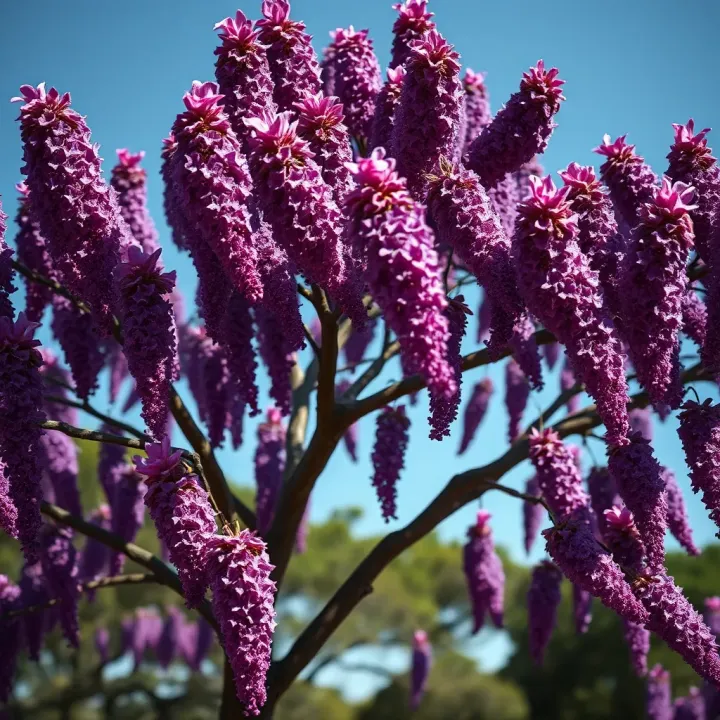
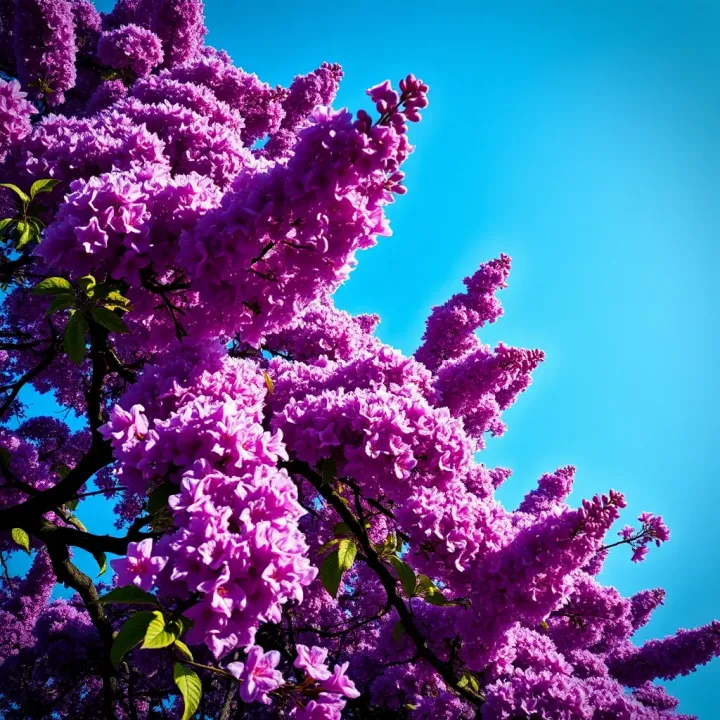
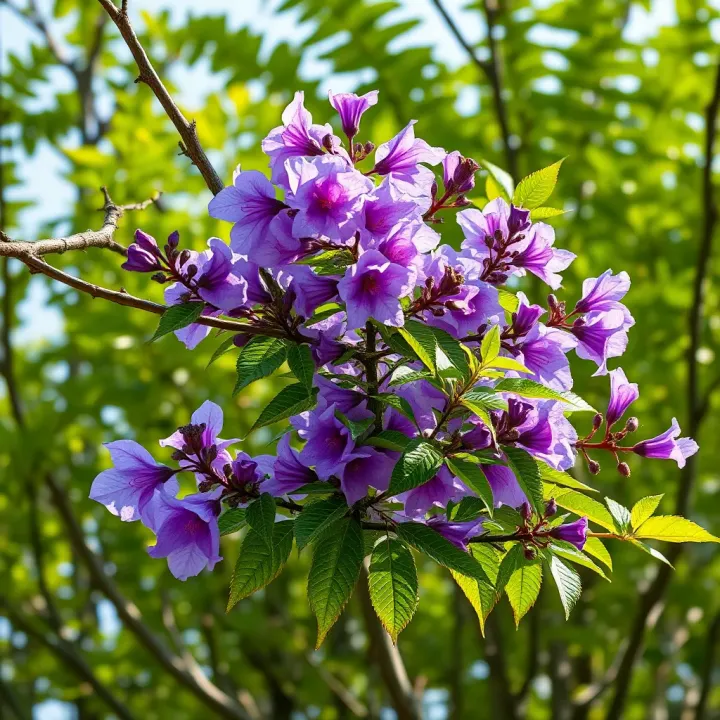
The jacaranda is recognised for its striking purple-blue flowers that blossom mainly between March and April in Nigerian cities. The flowers create a carpet effect when they fall, adding to the tree's ornamental value. Their fern-like leaves add an airy, elegant look even outside the flowering season, making them popular for landscaping in homes and urban parks.
These trees usually grow up to 15 metres tall but can reach 20 metres in favourable conditions. They have a spreading canopy that offers a good amount of shade. The relatively fast growth rate means you can get visual impact in a few years, but the size also demands enough space to avoid crowding or interference with buildings and power lines.
Nigeria’s tropical climate with wet and dry seasons suits jacarandas well. They thrive in regions with warm temperatures and seasonal rainfall, like Lagos and Abuja, where prolonged dry spells do not last too long. This adaptability is why many landscapers in the country prefer jacarandas over other species that struggle with local humidity and rain patterns.
Jacarandas show reasonable tolerance to short periods of drought once fully established. This is helpful during Nigeria’s dry season when water supply might be inconsistent. However, young plants need proper watering to develop strong roots. They are less prone to serious pest attacks, although some minor threats like aphids or caterpillars may appear, controllable with simple, eco-friendly methods.
Despite their charm, growing jacarandas in busy Nigerian cities faces some challenges. Urban pollution, limited planting space, and competition with other vegetation affect their growth. Also, inadequate care during dry seasons or improper pruning can cause weak branches prone to breaking. Recognising these issues ensures informed planting decisions and better maintenance to keep these trees healthy and thriving.
Jacarandas are both beautiful and practical for Nigerian urban landscapes when their growth traits and climate needs are understood and respected.
Growing jacaranda trees in Nigeria demands clear knowledge of planting and cultivation techniques. These steps ensure the trees thrive, display their famous purple blooms, and contribute positively to urban greenery and home gardens. Understanding location, propagation, and care routines helps gardeners avoid common pitfalls and promotes healthy growth.
Jacarandas need plenty of sunlight to flourish. Ideally, plant them where they get at least six hours of direct sunlight daily. Nigerian climates, especially in cities like Lagos, Abuja, and Ibadan, provide the warm temperature these trees love. However, rich, well-draining soil is essential since jacarandas don’t do well in waterlogged conditions. Loamy soil with some sand content is best, replicating their native subtropical environment.
Space is another crucial factor. Jacaranda trees can grow up to 15 metres tall with wide-spreading branches. Planting them too close to buildings, power lines, or smaller plants can stunt their growth or cause maintenance headaches down the line. Giving them at least three to four metres of radius space allows for ample canopy spread and reduces interference with infrastructure.
Growing jacarandas from seeds is a popular choice but needs patience. Seeds require sowing just after harvest and benefit from soaking in warm water for 24 hours to improve germination. In Nigeria, home gardeners find this method cost-effective and rewarding, though it may take up to two years before the saplings produce flowers.
Saplings or cuttings, on the other hand, provide a quicker route to flowering. Nurseries in major Nigerian cities often supply hardy young trees ready for transplant. Using saplings reduces the uncertainty of seed germination and gives a better chance for early bloom, especially important for urban landscapers and homeowners looking for immediate visual impact.
Jacarandas adapt well to Nigeria’s seasonal rainfall but require regular watering during dry spells. Young trees need watering twice a week, ensuring the soil stays moist but not soaked. Overwatering can lead to root rot, so it’s best to check soil moisture manually. Mature jacarandas tolerate some drought but thrive with occasional deep watering, particularly in the harmattan season.
When it comes to feeding, balanced fertilisers with nitrogen, phosphorus, and potassium support leaf growth and flowering. Applying a slow-release fertiliser every three months from early planting encourages steady development. Organic options like compost or well-rotted manure are also beneficial and more accessible for many Nigerian gardeners, improving soil structure while nourishing the tree.
Proper planting and care make the difference between a jacaranda tree that barely survives and one that lights up a whole neighbourhood with its purple blossoms.
With attention to location, propagation method, and consistent watering and feeding, jacarandas can confidently become a striking feature in Nigerian landscapes, blending beauty and ecological value.
Maintaining jacaranda trees well is key for ensuring they flower fully and stay healthy against the challenges of Nigerian climates. Proper care not only boosts their ornamental value in gardens and public spaces but also extends their lifespan in urban conditions where pollution and pests may stress them. This section covers practical steps like pruning and pest control that make a noticeable difference in jacaranda growth and vibrancy.
Pruning jacaranda trees should ideally take place shortly after their main flowering period, typically around late March to early April in Nigeria. This timing allows the tree to channel energy into new growth that supports next year’s blooms. Over-pruning early in the season risks reducing flowering, while neglecting pruning can lead to overcrowded branches and poor air circulation.
When pruning, remove dead, diseased, or crossing branches to open the canopy and allow sunlight through. Aim for a balanced shape by cutting back long, unruly branches, but avoid cutting more than a third of the tree's foliage at once to prevent stress. Regular pruning every year keeps the tree vigorous and helps prevent branch breakage during strong winds common in urban areas.
Using the right tools makes pruning effective and safer. Sharp pruning shears or secateurs work well for small branches under 2 cm thick. For thicker branches, a hand saw or lopper is necessary. Always sterilise tools with rubbing alcohol before and after use to prevent spreading diseases between trees.
Since jacarandas can grow tall, use a sturdy ladder on level ground when trimming upper branches. Wearing gloves and eye protection guards against cuts from sharp bark and falling debris. Working with a helper nearby is advisable, especially when pruning high branches, to hold ladders steady and assist if needed.
In Nigerian cities like Lagos and Abuja, jacarandas face attacks from pests such as aphids, scale insects, and the jacaranda borer beetle. Aphids cluster on young shoots and leaves, sucking sap and causing wilting. Scale insects attach as tiny bumps along branches, weakening the tree. The jacaranda borer beetle larvae tunnel into the wood, creating damage that can cause dieback or branch loss.
Regular inspection of trees during the rainy season, when pests thrive, helps catch infestations early. Early damage can reduce flowering and make the tree vulnerable to diseases.
Natural pest control methods include introducing beneficial insects like ladybirds that feed on aphids, or spraying neem oil, which acts as a safe deterrent against many insect pests without harming beneficial species. Neem oil is especially popular among Nigerian gardeners looking for eco-friendly solutions.
For severe infestations, chemical insecticides registered for use on ornamental trees can be applied, but caution is needed. Follow product instructions to avoid overuse and damage to the tree or environment. Combining chemical use with proper tree care—adequate watering, pruning, and fertilising—creates a healthy environment less favourable to pests.
Regular maintenance and attentive pest management give jacaranda trees the best chance to thrive and brighten Nigerian urban spaces with their iconic purple blooms.
Jacaranda trees offer more than just eye-catching purple flowers. In Nigerian communities, they bring practical environmental and economic benefits that improve urban life and support local economies. Their shade helps cool outdoor spaces in hot cities, while their beauty adds value to public and private spaces. Let's explore these benefits in more detail.
Jacaranda trees provide broad canopies that create significant shade, which is a welcome relief in Nigeria’s tropical climate where temperatures often soar beyond 30°C. Planting jacarandas along roadsides, in parks, and around buildings can help reduce surface and air temperatures locally. For example, in Lagos and Abuja, shaded areas under these trees feel considerably cooler during the daytime, reducing reliance on air conditioning and lowering electricity bills.
This natural cooling effect also helps mitigate the urban heat island effect—a growing problem in Nigerian cities where concrete and asphalt trap heat. Shaded spots under jacarandas create comfortable environments for street vendors, commuters, and children playing outside, contributing to healthier, more liveable communities.
Jacaranda blossoms attract various pollinators like bees and butterflies, supporting local ecosystems even in dense urban settings. The trees' flowers provide nectar sources during dry seasons when other plants may not bloom as much. This helps sustain pollinator populations, which are essential for crop production and natural plant regeneration.
Moreover, jacarandas offer shelter and nesting sites for local birds. In places like Ibadan and Enugu, birdwatchers have observed increased biodiversity in areas planted with jacarandas. This diversity strengthens urban green spaces, making them more resilient and attractive to residents.
Jacaranda trees have become a popular choice for landscaping in Nigerian homes, hotels, and commercial properties. Their striking purple flowers draw attention and enhance property appeal, potentially increasing property value. Landscapers often recommend jacarandas for large gardens and public areas because the trees bloom profusely with minimal maintenance once established.
City planners in Lagos and Port Harcourt have also embraced jacarandas in beautification projects to improve the visual appeal of busy streets and public parks. These green spaces attract more visitors and encourage community activities, helping urban areas feel less congested and more welcoming.
The jacaranda’s vibrant bloom season offers opportunities for tourism and cultural celebrations. Just like owambe parties where colours and fabric take centre stage, jacaranda blossoms add a natural backdrop for festivals and photo shoots. Some communities organise annual flower festivals during the peak blooming months, attracting visitors from across Nigeria and neighbouring countries.
These events not only promote cultural pride but also support local businesses such as hotels, restaurants, and artisan craft markets. In places like Abeokuta and Jos, jacaranda-lined streets have become emblematic during festival seasons, turning the trees into a symbol of community identity and pride.
Jacaranda trees are more than ornamental; they are valuable assets that cool our cities, support wildlife, beautify spaces, and encourage community and economic activities across Nigeria.
In summary, jacarandas contribute significantly to Nigerian urban environments by providing shade, enhancing biodiversity, improving aesthetic appeal, and supporting tourism and cultural events. Their benefits are practical and visible, making them excellent additions to cities and communities across the country.
Jacaranda trees hold a special place in Nigerian arts and festivals, often symbolising beauty, renewal, and hope. Their vibrant purple blossoms stand out during cultural events, providing a natural backdrop that enhances traditional attire, like the brightly coloured aso ebi worn at weddings and other celebrations. While jacarandas are not native, their striking presence has been embraced by artists who depict them in paintings and sculptures, reflecting a blend of Nigerian identity with global botanical influences.
Communities across Nigeria associate jacaranda blossoms with the arrival of the rainy season and the promise of agricultural productivity. In certain urban neighbourhoods, the blossoming jacarandas mark periods of celebration, often coinciding with local festivals and send-forth parties. It's common to see young people gathering under these trees, taking photos or simply relaxing in their shade, making jacarandas a part of social life and community bonding.
Lagos and Abuja showcase jacarandas along major roads and plazas, adding bursts of colour to the cityscape. In Lagos, places like Lekki phase 1 and the University of Lagos campus have rows of well-maintained jacarandas, providing shade and visual appeal. Abuja’s Millennium Park also features jacaranda trees, where locals and tourists alike enjoy the calm atmosphere created by these tall, flowering trees.
Despite their popularity, jacarandas face challenges in busy urban environments. Limited space for root expansion can stunt growth, especially near roads and pavements where compaction or construction restricts soil access. Air pollution, a common issue in cities like Lagos, may affect the health of jacaranda trees, making proper maintenance crucial. Moreover, careless pruning and lack of community awareness on tree care sometimes lead to weaker specimens that do not flower well.
Urban planners and community groups must prioritise jacaranda care and planting sites to maximise their benefits for shade, beauty, and social value.
Solving these challenges demands active collaboration between city authorities and residents. Watering during dry spells, protecting seedlings from damage by okada riders or stray animals, and educating the public about jacaranda’s cultural importance can help these trees thrive even in crowded cities. In that way, jacarandas will remain a beloved part of Nigerian urban life.
🌳 Discover how to grow and care for jacaranda trees in Nigeria's climate 🇳🇬, alongside their vibrant uses in gardens and outdoor spaces 🌺 for vibrant beauty.
🌳 Learn how to grow and maintain jacaranda trees in Nigeria with practical tips on planting, watering, fertilising, pruning, and pest control to keep the vibrant purple blooms thriving.
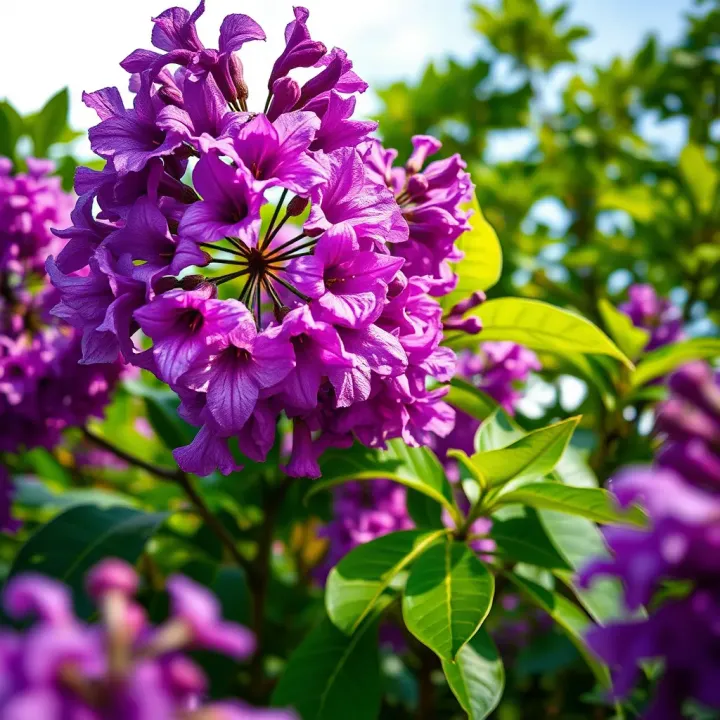
Discover how Jacaranda enhances Nigerian spaces 🌳, from urban gardens to village landscapes. Learn uses, care tips, economic value ₦, and its role in local life.
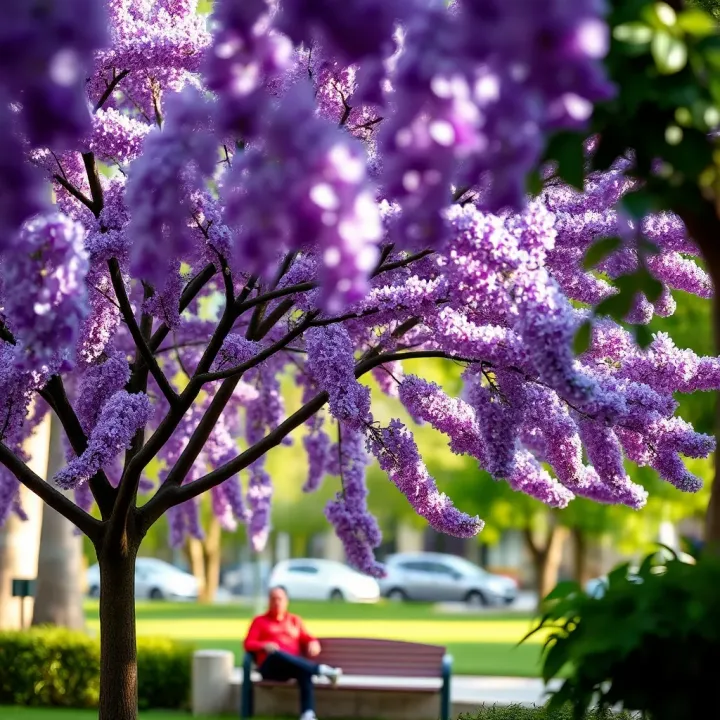
🌿 Discover the jacaranda tree's cultural role and Bayern Munich's football legacy. See how they connect and why they matter to Nigerians in cities and sports.
Based on 9 reviews