
Jacaranda in Cameroon: Presence and Impact
Discover jacaranda trees in Cameroon 🌳— their purple blooms, shade, ecological role, cultural & economic value, plus tips to grow and care for them well.
Edited By
Sophie Manning
The jacaranda tree, with its vibrant purple blooms, is widely admired in Nigerian cities like Abuja and Lagos. These trees are often planted along avenues and in parks, adding a splash of colour during the dry season and providing much-needed shade when the sun is at its peak. Outside Nigeria, jacarandas hold different symbolic meanings, commonly associated with renewal and wisdom in places such as South Africa and Australia. This cultural significance makes the jacaranda more than just a tree; it’s a symbol of beauty and resilience in urban life.
On the other hand, Bayern Munich stands as one of football’s most successful clubs globally. Founded in 1900, this German club has amassed a record number of Bundesliga titles and UEFA Champions League trophies. For Nigerian football fans, Bayern Munich represents excellence, discipline, and a benchmark of success in sports. Many Nigerians follow the club closely because of its connection to Nigerian players who have featured for the team over the years, adding a local flavour to its international reputation.
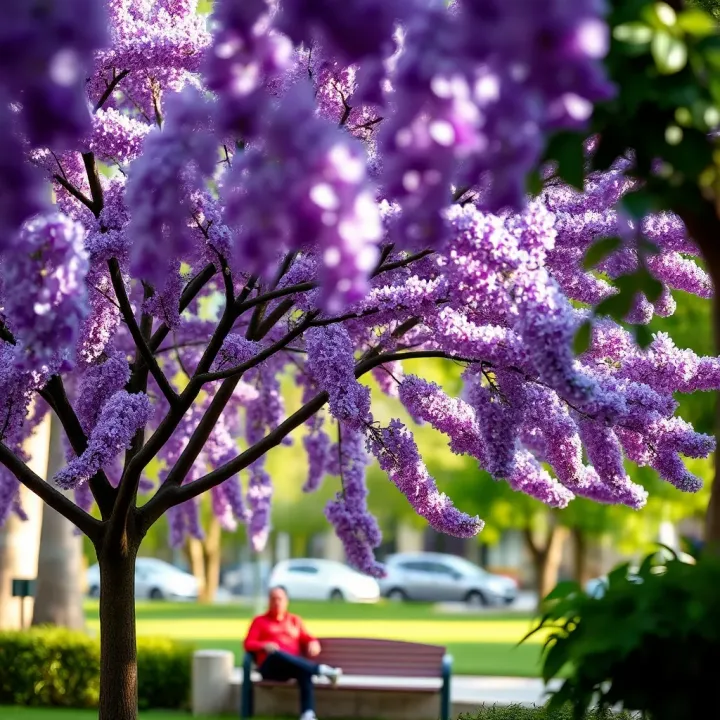
Interestingly, discussions linking jacaranda to Bayern Munich occasionally emerge in social media circles and sports forums. At first glance, the connection may seem unusual — a tree and a football club have little in common. Yet, both embody strong identities and evoke pride: jacaranda in the urban cultural landscape, Bayern Munich on the football pitch. Some fans draw parallels between the jacaranda’s deep roots and Bayern’s stability in football hierarchy. Others highlight how both the tree and the club flourish in environments demanding endurance and adaptation.
In both culture and sport, symbols like the jacaranda tree and teams like Bayern Munich invite Nigerians to explore broader themes of heritage, success, and community.
This article explores these themes by:
Unpacking the jacaranda’s role in Nigerian urban settings
Reviewing Bayern Munich’s history and its relevance to Nigerian football lovers
Identifying shared cultural and symbolic threads between both subjects
By doing so, readers get a nuanced look at how nature and sports sometimes intersect in unexpected ways, enriching cultural appreciation and broadening perspectives beyond typical football talk.
The jacaranda tree holds more than just botanical interest; its cultural and urban presence marks it as a tree of significance worldwide. Understanding this tree helps us appreciate its role beyond aesthetics, especially in cities where it shapes seasonal landscapes and influences local traditions. This insight connects well with the broader discussion that pairs the jacaranda's symbolism with global phenomena like football clubs, including Bayern Munich.
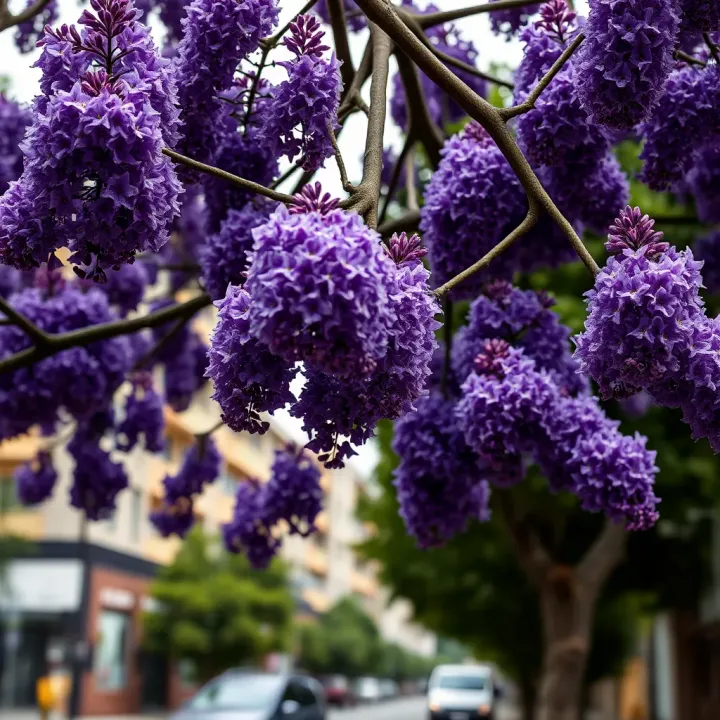
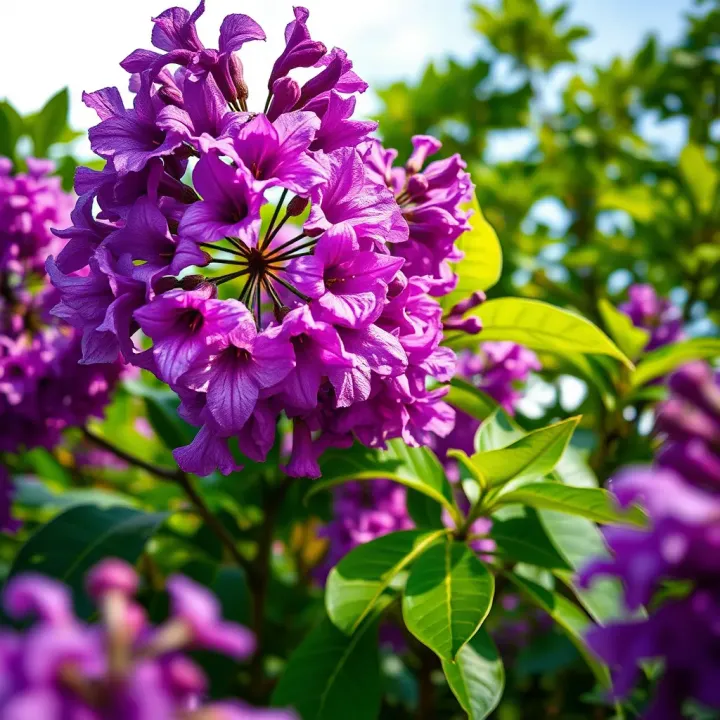
Jacaranda refers to a small group of trees, mostly Jacaranda mimosifolia, recognised for their vibrant purple-blue blossoms. These trees typically grow to a height of about 5 to 15 metres, developing spreading canopies which provide ample shade. The leaves are fern-like, lending the jacaranda a delicate look, and the flowers bloom in striking clusters, usually during spring. This bloom period is highly anticipated in many cities as it signals seasonal change.
Jacarandas thrive on their fast growth under suitable conditions, making them an excellent choice for urban greening. Their roots are generally non-invasive, lessening risks to pavements or infrastructure, a practical feature for city planners.
Originally native to South America, particularly southern Brazil and parts of Argentina and Bolivia, jacarandas have spread to many subtropical and tropical areas globally. They prefer warm climates with well-drained soil and can tolerate drought once mature. Cities like Pretoria in South Africa, Los Angeles in the USA, and Brisbane in Australia are known for their jacaranda-lined avenues.
In Nigeria, jacarandas are increasingly appreciated in urban landscaping, especially in areas with mild rainy seasons and temperate conditions. Their adaptability means they can thrive in the savannah regions as well as in parts of the tropical rainforest zone if properly cared for.
Jacaranda trees are often linked with renewal and beauty, symbolising the arrival of spring or new beginnings. In Pretoria, South Africa, the jacaranda bloom coincides with university exam season, creating a natural marker for academic cycles and inspiring local folklore connecting the tree’s flowering with good luck or hope.
This cultural tie makes jacaranda more than just green space; it becomes a marker of community identity and shared experience. In urban environments, such shared symbols help foster a sense of place and continuity across different generations.
Pretoria’s nickname, "Jacaranda City," highlights how deeply the tree is embedded in its urban identity, with more than 70,000 trees lining its streets. Similarly, in Sydney, Australia, jacaranda flowers create famous visual spectacles during spring, drawing tourists and photographers alike.
In Brazil, besides its native range, jacarandas can be found in public parks and along city streets, contributing to tourism and public enjoyment. These global examples reflect a pattern where jacaranda trees enhance urban livability and aesthetic appeal, factors increasingly relevant to Nigerian cities seeking greener, more attractive public spaces.
The jacaranda tree is more than a decorative plant—it acts as a cultural signal and urban companion, marking time and memory in cities far beyond its native roots.
Understanding these aspects of the jacaranda tree sets the stage for exploring its unexpected connections with spheres such as sports culture and specifically Bayern Munich’s global footprint.
Understanding Bayern Munich's profile is key to appreciating its global impact, especially when paired with discussions on culture like the jacaranda tree. This section unpacks the club's journey from humble origins to its present-day status, providing insight that benefits sports bettors, football enthusiasts, and anyone curious about how a football club shapes its brand and influence.
Bayern Munich was founded in 1900 by eleven football players led by Franz John. Starting off as a modest sports club in Munich, it faced competition from already established local rivals. These early years were marked by struggles to gain recognition, but the firm foundation laid the ground for future achievements.
The practical relevance of this history lies in understanding Bayern's deep roots in local culture and identity, which still shapes its connection to fans worldwide. Knowing this background aids students and enthusiasts in grasping how sports clubs grow organically out of community efforts before attracting national or international attention.
After World War II, Bayern Munich began to strengthen its position, investing in talent and infrastructure. The 1960s saw the club joining the Bundesliga at its inception, which was a turning point. Bayern steadily built on this by cultivating a winning mentality and scouting promising players. This focus helped Bayern transform into Germany's dominant team.
For sports bettors and analysts, this growth highlights the importance of long-term strategy and consistency in football success. Bayern’s evolution illustrates that clubs that excel often balance community loyalty with professional ambition, a useful insight for anyone following club dynamics.
Bayern Munich holds a record number of Bundesliga titles—over 30—to its name. The club has also won numerous DFB-Pokal (German Cup) trophies, demonstrating consistent domestic dominance. For example, the 2012-2013 season marked a treble win: Bundesliga, DFB-Pokal, and UEFA Champions League.
These domestic successes position Bayern as a benchmark for excellence in German football. For Nigerian football fans and those betting on local and international fixtures, Bayern’s record signals reliability and strength, factors that influence betting odds and fan expectations alike.
Internationally, Bayern Munich has lifted the UEFA Champions League trophy six times, with the latest victory in 2020. Beyond trophies, Bayern’s global brand is recognised for professionalism and star players like Robert Lewandowski and Thomas Müller. This reputation brings sponsorships and large fan bases around the world, including Nigeria.
The club’s international stature provides useful lessons on brand building beyond local borders. For Nigerian professionals in sports management or marketing, Bayern Munich exemplifies how success on the pitch translates into global influence and commercial opportunities.
Bayern Munich’s story shows how a football club can grow from a small community side to an internationally recognised powerhouse through consistent achievements and strategic development.
Bayern Monaco’s foundation rooted deep community engagement and perseverance.
Growth into a powerhouse involved long-term planning and talent development.
Record domestic and international trophies underpin the club’s reputation.
The club’s global brand presence offers lessons in sports marketing and fan engagement.
This profile sets a solid base for comparing Bayern Munich’s cultural significance alongside symbols like the jacaranda tree in our broader discussion.
Investigating links between the jacaranda tree and Bayern Munich may seem unusual at first, but it sheds light on how cultural symbols and global brands can intersect in unexpected ways. For Nigerians keen on both urban nature and football, understanding potential overlaps enriches appreciation for environments and communities where these elements coincide. This exploration helps uncover subtle brand influences or shared cultural moments that connect sports enthusiasm with urban identity.
Bayern Munich’s official branding sticks mostly to traditional symbols like the club crest featuring red, white, and blue colours, reflecting Bavarian heritage. There’s no direct incorporation of the jacaranda tree in official merchandise or logos. However, third-party merchandisers or fan-made items sometimes play with floral motifs including jacaranda for themed apparel, especially in markets where the tree holds cultural value, such as South Africa or parts of Australia. This crossover appeals to fans who enjoy blending local natural beauty with support for their favourite team.
Among supporters, symbolic references often emerge spontaneously and locally. In cities like Johannesburg or Pretoria, where jacaranda blooms dominate certain seasons, Bayern Munich fans might hold community viewing parties under the jacaranda trees — turning the blossoms into informal meeting symbols. While this is not an officially endorsed symbol, it demonstrates how fan culture adapts broader landmarks, weaving natural and sporting pride together. For Nigerian fans abroad, such intersections highlight how cultural and sporting identities mix in diaspora communities.
Jacaranda trees are common in parts of Southern Africa and Australia, but their presence in Europe, including Germany, is limited to botanical gardens or specialised parks. In cities like Munich, you won’t find jacaranda lining the streets, but major football fans from regions rich in jacarandas who live or travel to Germany bring their cultural backdrop to the city during matchdays. Festivals celebrating football fandom among African diasporas also sometimes feature jacaranda-themed decorations as a nod to these shared roots.
Certain cultural festivals or charity events targeted at multicultural communities merge football themes with local nature. For example, in South African cities during jacaranda bloom, Bayern Munich fan clubs organise gatherings combining youth football clinics with tree-planting drives or city clean-ups. Such events emphasise environmental awareness alongside sport, creating practical benefits like greening urban spaces while promoting community health and cohesion. Though not yet common in Nigeria, similar models could resonate well, especially given growing interest in green initiatives paired with sports outreach.
Exploring links like these highlights how sports and natural heritage can come together beyond obvious connections — opening paths for unique collaborations and community building in diverse contexts.
Though one might not immediately link a tree with a football club, jacaranda and Bayern Munich appear together in discussions because of cultural overlaps, fan interests, and media references that blend sport and environment. Both symbols carry strong identities in their fields—jacarandas evoke beauty and urban life, while Bayern Munich represents football excellence. There are practical ways these two get mentioned together, especially in popular culture and African contexts, shaping perceptions and affiliations.
In television and social media, jacaranda trees sometimes feature in scenes near football events, creating subtle links. For example, documentaries or broadcasts about football seasons in cities with jacaranda-lined streets naturally blend imagery of the tree and the sport. Social media fans occasionally post photos of jacaranda blossoms alongside their Bayern Munich jerseys, celebrating local beauty and football passion in one frame. This informal pairing helps build a bridge for audiences who enjoy both nature and sport.
Marketing campaigns have also played a part, although less explicitly. Brands sponsoring Bayern Munich matches or merchandise could use jacaranda motifs in special editions in cities familiar with the tree, such as Pretoria or Johannesburg. While not common, this tactic appeals to local pride, combining football success with environmental appreciation. Such collaborations benefit from the association of jacaranda’s elegance with Bayern Munich’s winning reputation, amplifying brand value in targeted markets.
In Nigeria and broader Africa, football fandom is widespread, and Bayern Munich enjoys a loyal following. Some fan groups creatively link jacaranda imagery with the club to express regional pride or cultural connection, especially where jacarandas flourish in urban areas. These fans share content that reflects not just their love for football but also a sense of place. By associating the jacaranda’s purple bloom with Bayern’s club colours or fan merchandise, they create a unique cultural symbol that resonates locally.
Sports and environmental discussions in Africa sometimes bring jacaranda and Bayern Munich into the same conversation as examples of cultural identity and global connection. Environmental advocates referencing jacaranda’s urban appeal highlight how green spaces coexist with vibrant sport cultures like football, where Bayern Munich stands as an emblem of excellence. This linkage encourages integrated community development and supports campaigns promoting healthy environments alongside active lifestyles.
The mention of jacaranda alongside Bayern Munich often reflects broader social narratives, where nature and sport serve as complementary forces shaping identity and culture in Nigerian and African urban spaces.
By understanding these contexts, readers see why these two seemingly unrelated subjects occasionally meet in conversation, revealing the dynamic ways culture, environment, and sport interact.
Discover jacaranda trees in Cameroon 🌳— their purple blooms, shade, ecological role, cultural & economic value, plus tips to grow and care for them well.
Discover how Jacaranda enhances Nigerian spaces 🌳, from urban gardens to village landscapes. Learn uses, care tips, economic value ₦, and its role in local life.
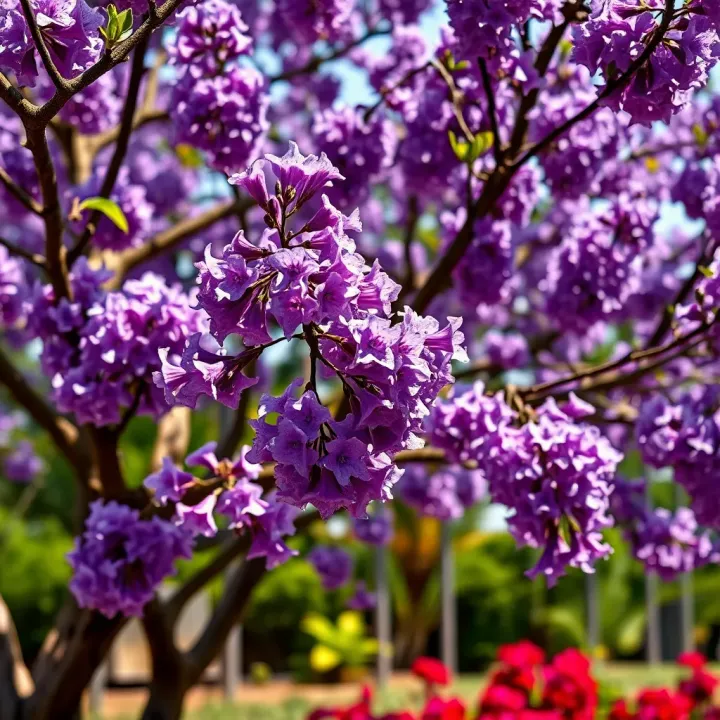
🌳 Learn how to grow and maintain jacaranda trees in Nigeria with practical tips on planting, watering, fertilising, pruning, and pest control to keep the vibrant purple blooms thriving.
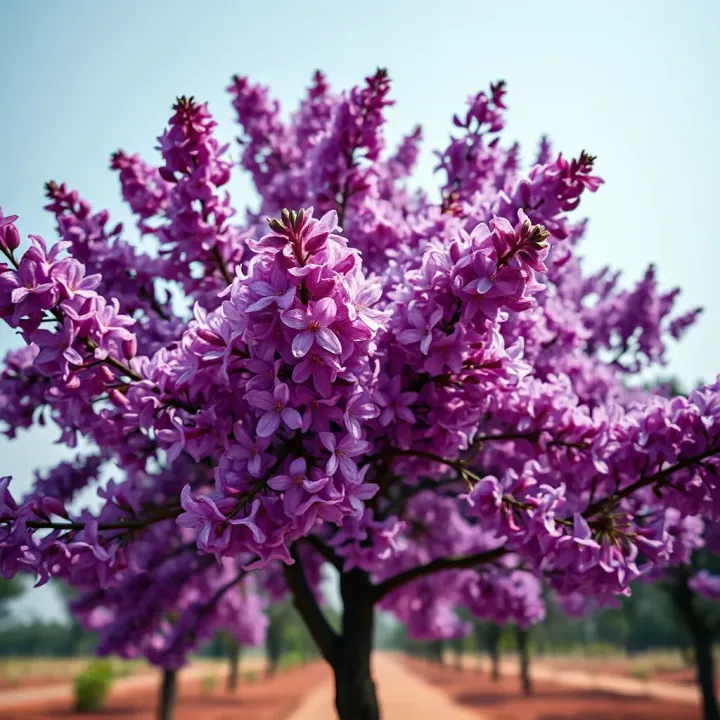
🌳 Discover jacaranda trees in Cameroon: their unique purple flowers, ecological benefits, local uses, and how they boost the economy for communities and businesses.
Based on 13 reviews