
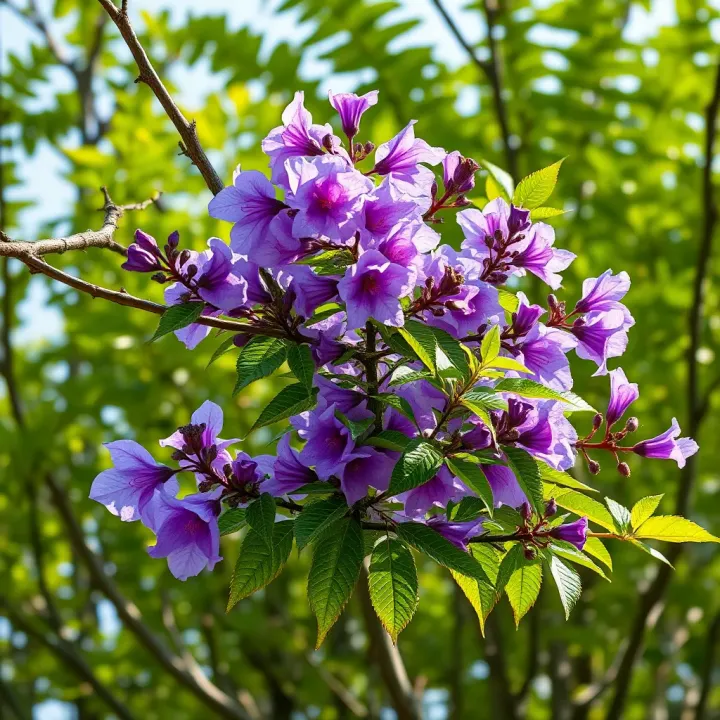
Jacaranda Care Tips for Nigerian Gardens
🌳 Learn how to grow and maintain jacaranda trees in Nigeria with practical tips on planting, watering, fertilising, pruning, and pest control to keep the vibrant purple blooms thriving.
Edited By
Fiona Gray
Jacaranda, known for its striking purple-blue flowers, has steadily gained recognition in Nigeria, both for its aesthetic appeal and practical uses. Though originally native to South America, the tree adapts well to Nigerian climates, especially in southern and central regions where rainfall patterns and temperatures suit its growth.
In Nigeria, Jacaranda serves several important roles. Urban planners and landscapers favour it for beautifying public parks, road medians, and private gardens, thanks to its broad canopy and vibrant blossoms. It's often planted along the streets of cities like Lagos and Abuja to add a splash of colour during the dry season when other trees shed their leaves.
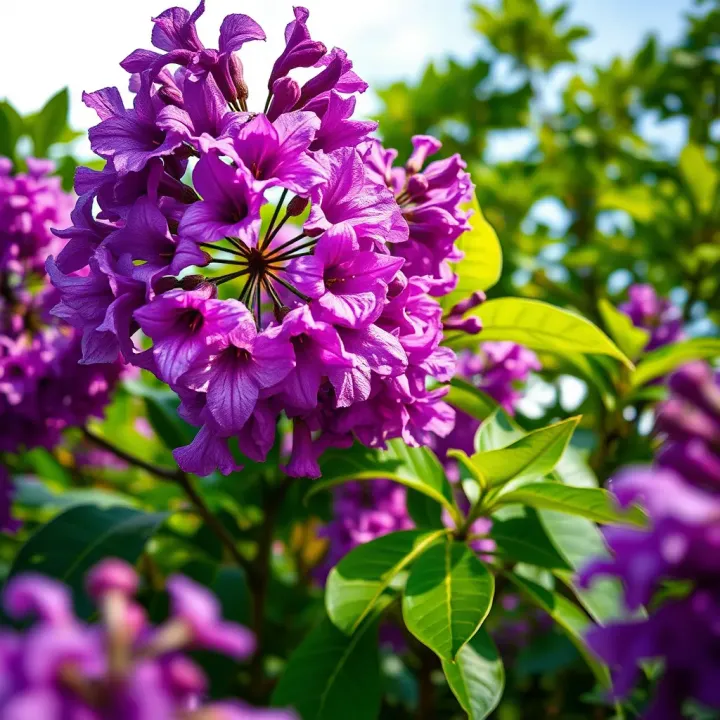
Beyond just appearance, the Jacaranda tree brings economic and environmental value, making it a noteworthy species for Nigerian communities.
Landscaping: Jacaranda trees enhance neighbourhoods, schools, and government institutions with their ornamental charm. Their shade cools the surroundings, reducing urban heat in places where air conditioning can be costly.
Medicinal Applications: Traditional healers sometimes use extracts from Jacaranda bark and leaves to treat skin ailments and inflammation. While scientific backing remains limited, local use underscores its cultural significance.
Timber and Woodwork: Though not as hard as other tropical woods, Jacaranda timber is used in light construction and crafting furniture or decorative items in some rural areas.
Economic Potential: Nurseries cultivating Jacaranda seedlings can tap into the growing demand from landscaping companies and households wanting to green their properties. Selling mature trees or seeds offers an alternative income stream.
Cultivating Jacaranda requires attention to soil drainage, as it prefers well-drained loamy soils. Regular watering during the first two years establishes a strong root system, but established trees tolerate dry spells typical to Nigeria’s ember months. Pruning helps maintain shape and encourages abundant flowering.
Farmers and gardeners should note that while Jacaranda is relatively low-maintenance, young trees may suffer from pests like aphids or fungal infections, especially during the wet season.
In summary, Jacaranda fits well into Nigerian settings where its beauty and utility meet urban needs and rural practices. Whether you’re a homeowner beautifying your compound or a tech enthusiast exploring urban greening, understanding Jacaranda’s role offers insights into sustainable and profitable tree use in Nigeria.
Jacaranda trees have steadily carved their niche in Nigeria's urban and rural spaces, shifting from exotic ornamentals to integral landscape features. For those interested in horticulture, urban planning, or even natural medicine, understanding Jacaranda’s origin, botanical traits, and adaptability offers practical insights into how this tree fits within Nigerian settings. From public parks to private estates, Jacaranda contributes not just aesthetic value but functional environmental benefits.
Jacaranda belongs to the Bignoniaceae family, predominantly native to the tropical and subtropical regions of South America, particularly Brazil and Argentina. Its popularity spread early to Africa, Australia, and parts of Asia, mostly because of its vibrant purple-blue flowers and resilience. Knowing its native climate helps predict how well it performs in Nigerian environments, which share similar warm temperatures and seasonal rainfall.
Jacaranda trees typically grow between 5 to 15 metres, with a spreading canopy that offers good shade. Their fern-like leaves add a delicate touch, while the trumpet-shaped flowers bloom in clusters during the dry season, usually around February to April in Nigeria. This flowering pattern brightens neighborhoods and can signal seasonal changes. For landscapers, these traits make Jacaranda a favourite for both shade and ornamental purposes.
Jacaranda thrives in regions with distinct wet and dry seasons, like much of Nigeria. Its tolerance for the heat and ability to withstand brief dry spells aligns well with the country's tropical climate. However, Jacaranda prefers well-drained soils and may struggle in overly waterlogged conditions common in flood-prone parts of southern Nigeria. Gardeners must consider soil type and drainage before planting to ensure healthy growth.
This tree adapts well in central and southern Nigerian states such as Lagos, Ogun, and Enugu, where rainfall supports its flowering cycles without excessive dampness. Northern states with drier climates may present challenges unless artificial irrigation is utilised. Urban areas with landscaped parks or campuses commonly feature Jacaranda, taking advantage of its aesthetic appeal and shade, improving outdoor comfort in busy cities like Abuja and Lagos.
Jacaranda’s successful integration into Nigerian environments stems from its flexibility and striking floral display, making it not just a tree but an asset to urban and rural life alike.
Overall, recognising these fundamental aspects of Jacaranda aids anyone looking to grow or appreciate the tree within Nigeria, whether for beautification, shade, or cultural value.
Jacaranda trees are a familiar sight in many Nigerian gardens, both public parks and private homes. Their vibrant purple flowers provide a striking contrast against the greenery, making them popular choices in landscaping designs. In Lagos and Abuja, you’ll often find Jacarandas lining avenues or forming colourful backdrops in botanic gardens. Designers tend to plant them as focal points or in clusters to create eye-catching floral displays during their blooming season, usually between April and June.
In private homes, Jacarandas add aesthetic value and a touch of elegance. You’ll see them incorporated into compound gardens where their wide canopies provide shade without overwhelming smaller spaces. Their moderate growth and relatively low maintenance make them ideal for residential use, especially compared to fast-growing species that tend to get unruly.
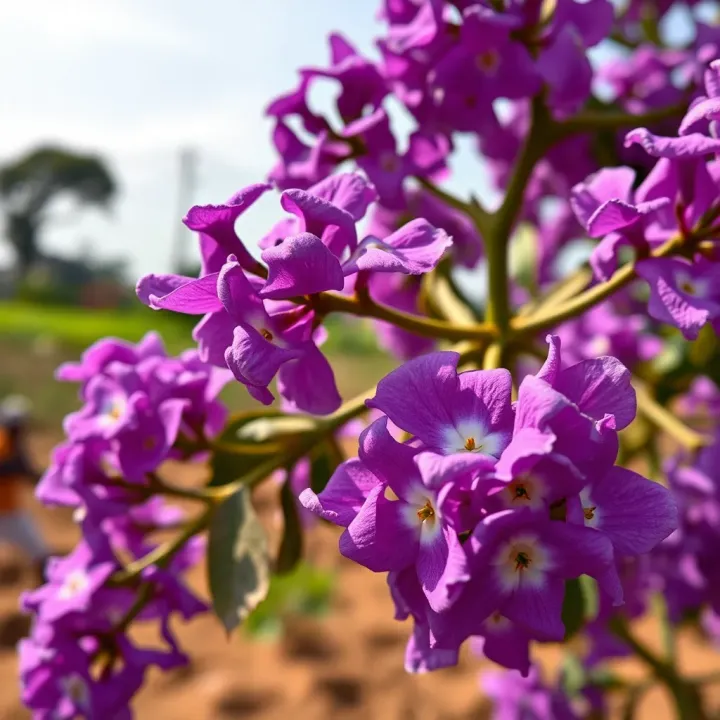
Jacaranda trees offer more than just beauty; they contribute practical benefits to urban areas. In Nigerian cities with intense sun and heat like Kano or Port Harcourt, Jacarandas help reduce surface temperature by shading pavements and buildings. This shading effect translates to lower energy use for cooling indoors, helping residents save on electricity bills during the scorching ember months.
Moreover, these trees support urban greening efforts, essential in fast-developing cities faced with dwindling green spaces. Their relatively high tolerance for pollution means they fare well alongside busy roadsides and commercial areas. This resilience allows Jacarandas to thrive where other ornamental trees might struggle, widening opportunities for beautifying environmentally challenged neighbourhoods.
Jacarandas feature dense, spreading canopies that offer substantial shade. In school compounds or outdoor market areas, their shade creates comfortable spots where people can rest from the harsh sun. The cooling effect not only benefits human comfort but also reduces heat stress on nearby plants and animals, helping urban ecosystems stay balanced.
For instance, in Abuja's Deeper Life Camp area, Jacarandas planted along pathways provide relief for both residents and visitors walking under the hot climate. This natural cooling helps cut down reliance on generators or electric fans, indirectly supporting efforts to curb noise and air pollution tied to high energy usage.
Jacaranda trees attract bees, butterflies, and birds, adding life to city environments. Their flowers provide nectar, which supports local pollinators vital for other plant species' reproduction. Urban beekeepers in places like Ibadan sometimes plant Jacarandas near apiaries because of their rich floral resources.
Also, Jacaranda trees' presence in city parks and gardens offers nesting opportunities for various bird species, enhancing biodiversity pockets within urban centres. This helps maintain ecological balance and raises awareness about the importance of tree cover beyond just visual appeal.
Using Jacaranda in Nigerian urban landscaping improves environmental quality and supports community well-being, demonstrating how beauty can come with tangible benefits for daily living.
Various parts of the Jacaranda tree find use in traditional Nigerian medicine, especially the leaves, bark, and flowers. Herbalists commonly prepare decoctions from the bark to treat skin infections and wound healing, as the bark contains compounds with anti-inflammatory properties. Additionally, crushed leaves are sometimes applied as poultices to reduce swelling and soothe joint pains, a practice that remains popular in some rural communities.
There are also reports that Jacaranda flower extracts are used for respiratory issues like cough and bronchitis. The practical relevance lies in its affordability and local availability compared to imported pharmaceutical products. For example, in parts of the Southwest, herbal clinics offer Jacaranda-based remedies alongside other indigenous plants to manage common ailments. While scientific studies on its efficacy are limited, its widespread traditional use suggests a level of trust and value in Nigerian herbal medicine.
Jacaranda trees hold a special place in some Nigerian cultural events and festivals. In certain communities, the blooming of Jacaranda signals the start of the planting season or marks the approach of festivals related to nature and fertility. For instance, during local harvest festivals, decorated Jacaranda branches may be used in processions or as symbols of renewal and growth, blending nature with cultural expression.
Symbolically, Jacaranda is often associated with beauty and resilience due to its vibrant purple flowers and hardy nature. In urban areas like Lagos and Abuja, Jacaranda trees lining streets and parks are sometimes seen as emblems of hope, standing tall despite harsh weather and city pollution. This symbolism can be particularly comforting in dense urban environments where green spaces are cherished. The cultural appreciation for Jacaranda also affects landscaping choices, where planting it near social centres encourages community gatherings and celebrations under its shade.
The dual role of Jacaranda, both medicinal and cultural, makes it a unique tree within Nigerian life, offering health benefits and reinforcing community identity simultaneously.
This blend of practical and symbolic uses underlines why Jacaranda is more than just an ornamental tree in Nigeria; it is woven into the fabric of everyday wellness and cultural heritage.
Proper cultivation and maintenance are key to maximising the benefits of Jacaranda trees in Nigeria. These processes not only ensure healthy growth but also extend the lifespan and enhance the aesthetic appeal of Jacaranda, which thrives well in urban and rural settings. Knowing how to plant, propagate, and care for the tree helps gardeners, landscapers, and enthusiasts maintain vibrant greenery despite Nigeria’s varied climate and soil conditions.
Collecting Jacaranda seeds at the right time is essential. Seeds should be harvested from mature, dry seed pods, usually found from late summer to early autumn. Once collected, seeds require drying in a shaded, well-ventilated area to avoid mould. In nurseries, this process is followed by sowing seeds in well-drained seedbeds or containers filled with a mixture of loam, sand, and organic matter to encourage germination.
Regular watering—enough to keep the soil moist but not waterlogged—is important during this stage. Seedlings usually emerge within two to three weeks and require partial shade to protect from direct midday sun that could scorch tender leaves. Nursery care involves regular weeding and monitoring for pests to ensure strong, disease-free young plants ready for field planting.
The optimal season to plant Jacaranda in Nigeria is during the early rainy season, typically March to May, when soil moisture supports root establishment. Planting at this time helps the saplings survive the dry season that follows. Jacaranda performs best in well-drained sandy or loamy soils with good organic content. Heavy clay soils should be avoided unless properly amended because poor drainage can stunt growth or cause root rot.
Sites with full sun exposure encourage better flowering, although Jacaranda can tolerate partial shade. Loose, fertile soil ensures roots can spread without obstruction, reducing transplant shock. Adding natural compost before planting boosts soil fertility, contributing to the plant's robustness as it matures.
Young Jacaranda trees require regular watering, especially during dry spells; however, care must be taken to prevent waterlogging. Established trees are moderately drought-tolerant but benefit from deep watering once a week during extended dry periods to keep leaves vibrant and flowers prolific.
Fertilising with balanced NPK (nitrogen, phosphorus, potassium) formulations every three to four months promotes steady growth and flowering. Organic fertilisers, such as compost or well-rotted manure, can improve soil structure and feed the tree naturally.
Pruning should be done yearly to remove dead or overcrowded branches, which improves air circulation and shape. Proper pruning encourages better canopy development, reduces pest harborage, and enhances the tree’s ornamental value.
Jacaranda faces threats from pests like aphids, mealybugs, and scale insects which suck plant sap, causing leaf yellowing and stunted growth. These pests are most common during the dry season when trees are stressed. Insecticidal soaps or neem oil sprays help control infestations without harmful chemicals.
Fungal diseases such as powdery mildew and root rot can affect Jacaranda, especially in poorly drained soils or overly humid conditions. Powdery mildew appears as white powder on leaves and reduces photosynthesis, while root rot causes wilting. Avoid these by ensuring good drainage, appropriate watering, and removing infected parts promptly.
Healthy Jacaranda trees reflect well-planned cultivation and ongoing care, which are vital for sustaining these beautiful trees in Nigeria’s urban gardens and open spaces.
Understanding and applying these cultivation and maintenance practices will help gardeners and landscapers ensure Jacaranda trees flourish, making them valuable assets for Nigeria’s green spaces and beyond.
Jacaranda holds promising economic potential in Nigeria, bridging environmental appeal and commercial value. Its vibrant blooms and sturdy timber invite diverse uses that can contribute to local income generation and urban development. However, challenges like urbanisation pressure and limited public knowledge threaten sustainability, calling for balanced approaches to its cultivation and utilisation.
Jacaranda wood, though not as hard as iroko or mahogany, offers a lightweight timber popular for furniture and craftwork. Small-scale carpenters and artisans in Lagos and Ibadan have tapped into this resource, producing stools, small tables, and decorative pieces that find markets in local bazaars. The tree’s ornamental value further drives demand, especially for garden centres and landscapers seeking to add colour and shade to urban gardens and housing estates. Garden enthusiasts in Abuja and Port Harcourt often prefer Jacaranda seedlings for their attractive purple flowers and manageable growth.
This trade has room to grow, particularly in niche markets catering to eco-friendly and aesthetically pleasing products. Encouragingly, some Lagos-based nurseries already supply Jacaranda saplings beyond city borders, hinting at expanding commerce. But this potential depends on sustainable harvesting and efficient propagation methods to avoid overexploitation.
Jacaranda's striking presence enhances urban green spaces, making it an asset for eco-tourism and city beautification projects. Places like the University of Lagos and the Abuja National Park feature these trees prominently during blooming seasons, attracting visitors who enjoy the landscape and floral colours. Municipal governments incorporating Jacaranda in parks notice increased foot traffic and community engagement, a sign of its urban appeal.
Besides beautification, Jacaranda also helps improve microclimates in cities, lowering temperatures and providing shade in concrete-heavy areas. This benefit supports city plans aiming to reduce heat islands and promote outdoor activities. Urban developers and planners could therefore leverage Jacaranda planting schemes to create more inviting, walkable neighbourhoods, which, in turn, boosts property values and local businesses.
Rapid urban growth in cities like Lagos and Kano often leads to the clearing of green spaces to make way for housing or roads, putting Jacaranda trees at risk. The tree's preferred habitats shrink as informal settlements expand without adequate city planning. Additionally, harsh environmental conditions such as seasonal drought or inconsistent rainfall in some northern zones hamper healthy growth.
Heavy pollution and soil degradation in urban centres also affect Jacaranda survival, particularly when planting occurs along busy roads with high emissions. These environmental strains require proper attention; otherwise, Jacaranda populations may dwindle despite their usefulness.
Many Nigerians remain unaware of Jacaranda's economic and ecological benefits beyond its beauty. Without widespread knowledge, there is little public pressure to protect existing trees or invest in planting new ones. This gap limits community participation in preservation efforts and reduces funding opportunities from private and governmental bodies.
Conservation programmes lag in promoting Jacaranda specifically, overshadowed by focus on indigenous species. Yet, proper awareness campaigns and collaboration with schools, local governments, and environmental groups could promote best practices. These actions would secure Jacaranda's place in Nigeria’s green heritage and encourage sustainable use amid growing urban demands.
Sustainable utilisation of Jacaranda depends not only on recognising its commercial and ecological worth but also on managing urban development and increasing public knowledge – this balance will ensure the tree’s benefits endure for generations.
🌳 Learn how to grow and maintain jacaranda trees in Nigeria with practical tips on planting, watering, fertilising, pruning, and pest control to keep the vibrant purple blooms thriving.

Discover how Jacaranda Voucher works in Nigeria 🇳🇬, its types, redemption process, and benefits for consumers and businesses. Maximise your savings with smart tips 💡

📚 Ready to register for Jacaranda? Follow this clear, step-by-step guide for Nigerian users on requirements, payments in ₦, troubleshooting, and maximising your learning experience.

🎲 Understand Jacaranda bonus wagering and how it affects Nigerian players. Learn to meet wagering terms efficiently, maximise your ₦ bonuses, and avoid common pitfalls today!
Based on 13 reviews