
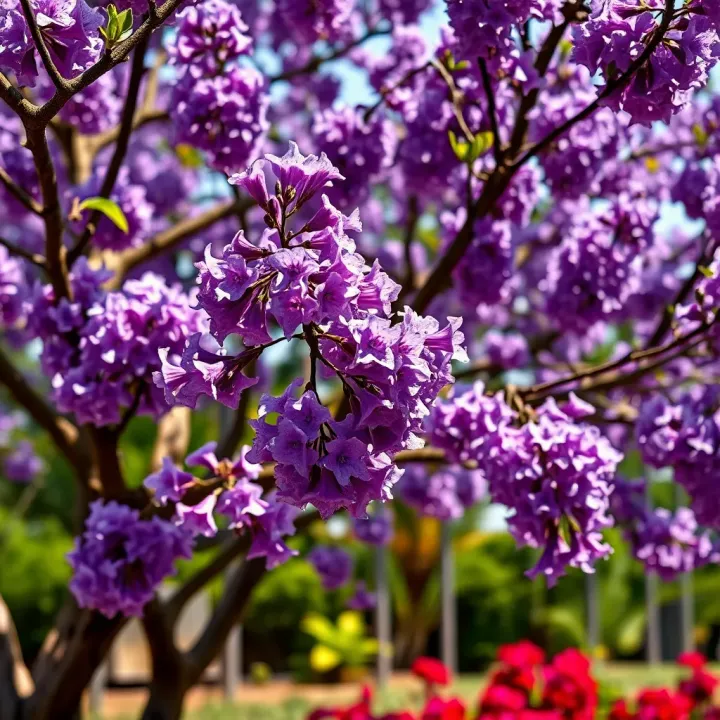
Jacaranda Care Tips for Nigerian Gardens
🌳 Learn how to grow and maintain jacaranda trees in Nigeria with practical tips on planting, watering, fertilising, pruning, and pest control to keep the vibrant purple blooms thriving.
Jacaranda trees, known for their striking purple blossoms, are a familiar sight in many parts of the world. But the question many Nigerians ask is whether these trees can thrive under Nigeria's tropical climate, which is quite different from the jacaranda's native environment.
Jacarandas originate from South America, where they enjoy warm, temperate conditions with well-defined wet and dry seasons. Nigeria’s climate, especially in southern regions, shows similar seasonal patterns but with higher humidity and more intense rainfall during the rainy season. This brings both advantages and challenges to growing jacaranda trees here.
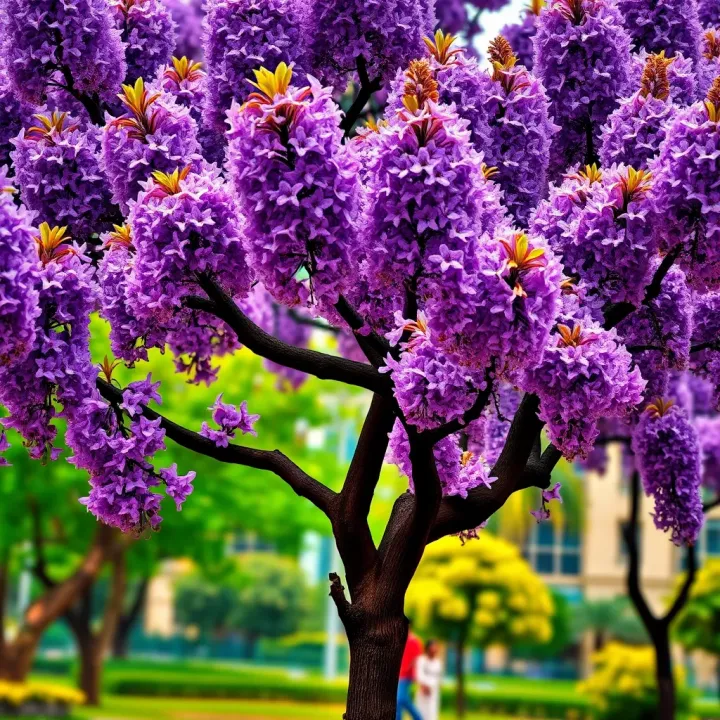
Most jacaranda species prefer well-drained soils and are not fond of waterlogging. Nigerian cities like Lagos, Abuja, and Port Harcourt present variable soil conditions — sandy loam to clayey soils, sometimes compacted or prone to flooding during heavy rains. This means successful planting requires selecting suitable sites and possibly improving soil drainage before planting.
On top of that, jacarandas need plenty of sunlight to flower abundantly. Urban spaces in Nigeria, crowded with high-rise buildings and extensive canopy cover from native trees like mahogany and iroko, might limit their growth if planted carelessly. However, open gardens, parks, and wide road medians offer perfect spots.
Jacaranda trees can grow well in Nigeria provided you choose the right location, consider soil preparation, and ensure proper watering during dry spells.
Among the benefits of planting jacaranda trees here, their beautiful purple flowers brighten cityscapes during the dry season, offering aesthetic appeal unlike many native trees that flower in the rainy season. Moreover, they provide shade and help cool the environment.
That said, jacarandas require sensible watering—excess moisture during heavy rains and drought during long dry spells may stunt their growth or cause root problems. Regular maintenance including pruning dead branches also helps keep them healthy.
In the next sections, we will look closely at specific jacaranda species suited to Nigerian conditions, the soil and climatic details to consider, and tips on keeping these trees thriving long-term in Nigerian cities and compounds.
Getting to know the jacaranda tree and its specific needs is key to deciding if it can thrive in Nigeria. This understanding helps landscapers, gardeners, and city planners make informed choices about planting jacaranda in Nigerian environments where climate and soil vary widely. Without grasping their growth patterns and preferences, attempts to cultivate jacaranda could lead to disappointing results or wasted resources.
The most popular jacaranda species for landscaping is Jacaranda mimosifolia. This species is widely appreciated for its stunning violet-blue flowers that transform urban parks, roadways, and private gardens. Its appeal lies not only in its floral display but also in its moderate size and relatively fast growth, making it a favourite in many parts of the world for aesthetic and shade purposes. For example, in subtropical areas like parts of South Africa and Brazil, jacaranda trees brighten streets and campuses alike.
Jacaranda trees typically grow up to 15 metres tall. The tree has a distinctive open canopy with fern-like leaves that create dappled shade. They tend to develop quickly in the first few years but slow down afterward. These trees bloom mainly in late spring and early summer during a brief, intense flowering period. Knowing this helps gardeners plan their landscape designs and expectations — jacaranda's seasonal flowers add colour and vibrance but require some maintenance due to leaf and flower drop.
Jacaranda trees prefer mild to warm climates with temperatures between 20°C and 30°C. They do not tolerate freezing conditions well and can suffer damage if temperatures drop below 0°C. These temperature preferences are vital when considering Nigeria’s climate zones because northern Nigeria’s semi-arid conditions might be too harsh, while southern humid zones offer a better temperature range for jacaranda growth.
Healthy jacaranda trees require well-drained soils to prevent root rot. They thrive best in sandy loam or loamy soil rich in organic matter but do not perform well in heavy clay soils that retain water. In Nigeria, many soils tend to be clayey or lateritic, especially in the middle belt. Gardeners must amed the soil with organic compost or gravel to improve drainage before planting jacaranda.
Jacaranda trees favour full sunlight and need at least six hours of direct sun daily. Adequate sunlight supports their lush flowering and healthy leaf growth. Regarding water, jacaranda prefers moderate watering, especially during establishment — too much water may lead to fungal diseases, while drought stress can stunt flowering. In Nigerian cities where dry seasons can be prolonged, regular watering schedules during these periods will help sustain jacaranda trees.
Understanding jacaranda’s species traits and environmental needs sets the foundation for successful cultivation. Ignoring these could result in poor growth or outright failure in Nigeria’s varied ecological zones.
This foundational knowledge lets you decide whether jacaranda fits your area and guides practical steps to give the tree the best chance to flourish amidst local conditions.
Understanding Nigeria’s diverse climate and environment is essential when considering whether jacaranda trees can flourish. Jacarandas are particular about temperature, rainfall, and soil quality, so evaluating these factors across Nigeria helps determine suitable planting locations, care routines, and expectations. For instance, a jacaranda tree thriving in Lagos might struggle in Kano due to the vastly different weather patterns.
The northern part of Nigeria mainly consists of savannah and semi-arid zones. Here, temperatures regularly soar above 30°C, and rainfall is seasonal and limited, often less than 1,000 millimetres annually. Such dry conditions pose a challenge for jacarandas, which prefer moderate rainfall and consistent moisture during their growth phase. Without proper irrigation, these trees may experience stunted growth or poor flowering in the north.
Moving toward the Middle Belt, the climate shifts to a more balanced mix of wet and dry seasons. Rainforest zones in this region receive between 1,200 and 2,000 millimetres of rain yearly, supporting more lush vegetation. These conditions suit jacaranda trees better as they benefit from humid environments and the moderate temperatures that hover between 20 to 28°C. Cities like Jos or Makurdi offer favourable microclimates where jacarandas can grow satisfactorily with routine care.
The southern coastline of Nigeria, including Lagos and Port Harcourt, features a humid tropical climate with heavy rainfall—often over 2,000 millimetres annually—and temperatures mostly between 25 to 32°C. While the moisture suits jacarandas, excessive rainfall and poor drainage in some urban areas could cause root rot or fungal diseases if not managed well. Choosing well-drained sites and monitoring watering can mitigate these risks.
Nigeria's soils are as diverse as its climate, ranging from the sandy, less fertile soils in the north to the richer, more loamy soils in the south. Laterite and sandy soils dominate northern areas and tend to drain quickly but lack nutrients. By contrast, the south has more alluvial and clay soils, which retain moisture but might require amendments to improve aeration.
Jacarandas prefer well-drained, slightly acidic to neutral soils. Poor soil drainage or compacted clay can hinder root development and health. In northern Nigeria’s sandy soils, jacarandas will need regular fertilisation and watering to compensate for nutrient leaching. In the south, efforts to improve drainage and prevent waterlogging are necessary to avoid root diseases. Understanding local soil helps gardeners and landscapers provide the right amendments to boost jacaranda growth effectively.
Careful assessment of local climate and soil is the first step to successfully planting jacarandas in Nigeria. Without this, efforts may lead to wasted time, money, and disappointed expectations.
In summary, the middle belt and southern regions generally offer better conditions for jacaranda growth compared to the northern semi-arid zones. However, with proper soil amendments and watering strategies, it’s possible to establish the trees in pockets across the country.
By aligning jacaranda cultivation with the climatic and soil realities of Nigerian regions, gardeners can enjoy the tree's beautiful purple blossoms and shade without unnecessary setbacks.
Choosing the right spots and following good planting practices are key to helping jacaranda trees thrive in Nigerian environments. Because jacarandas need specific conditions to grow well, understanding where and how to plant them can save time, money, and effort. This section covers practical steps and sensible choices tailored for Nigerian cities and climate.
Lagos and Abuja offer different landscapes and microclimates, so selecting where to plant jacaranda trees requires careful thought. For example, in Lagos, where heat and humidity spike during the dry season, planting jacarandas in well-ventilated areas can reduce heat stress on the tree. Locations near offices, malls, or along busy streets provide both shade and beautification, benefiting the urban population directly. Conversely, Abuja's planned green spaces provide opportunities for jacarandas to flourish in parks and wide avenues but may call for proper irrigation during the harmattan dry season.
Planting jacarandas along roadsides or in boulevards in these cities can add great ornamental value, but care must be taken to avoid areas with heavy pollution or constant dust exposure, which can affect leaf health. Town planners should consider jacaranda trees as a complement to the urban canopy, ensuring enough space for roots and branches without obstructing power lines or pedestrian walkways.
Public parks stand out as ideal locations for jacaranda trees since they offer space for full canopy development and attract visitors who appreciate the vibrant purple blooms. In Nigerian towns like Ibadan or Enugu, integrating jacarandas into park landscaping can uplift the ambience and provide shade for families and joggers. Moreover, planting along roadsides in less congested towns can enhance the streetscape while helping to reduce dust.
Private gardens, especially in suburban areas, give homeowners the chance to control soil conditions and watering schedules directly, improving the trees’ chances of thriving. Garden owners should select sunny spots with good drainage, as jacarandas do not like waterlogged soil. Shaded or cramped corners will result in stunted growth or weaker flowering.
Using seedlings or saplings sourced from local nurseries helps ensure they are somewhat acclimatised to Nigerian conditions. When planting, the soil should be well loosened and enriched with organic compost to enhance growth. Digging a planting hole about twice the width of the root ball allows roots to expand easily. Given Nigeria's seasonal rains, planting just before the rainy season gives the roots a chance to establish with natural moisture.
Mulching with dry leaves or grass around the base helps retain soil moisture and controls weeds. This method is both cost-effective and uses available local materials, fitting well with many Nigerian gardeners’ practices.
Jacarandas need moderate but consistent watering, especially during their first two years. In Nigeria’s rainy season, natural rainfall usually suffices, but in the dry season, watering should be regular to prevent the soil from completely drying out. Lagos residents, for example, should water their jacarandas every two to three days during peak dry months, while Abuja gardeners might do so every three to four days due to its harmattan influence.
Overwatering can harm the tree by causing root rot, so watering should be adjusted based on soil drainage and weather conditions. Using underground drip irrigation suits large plantings in public parks, while hose watering works for private gardens.
Jacarandas are generally hardy but can fall prey to caterpillars, aphids, or fungal diseases, especially in humid areas like southern Nigeria. Regular inspections can identify early signs of leaf spots, scale insects, or defoliation.
Local gardeners often use neem oil or homemade garlic sprays as eco-friendly pest controls. Removing affected leaves promptly reduces spread. In cases of severe infestation, consulting a local agricultural extension officer or professional tree service ensures correct diagnosis and treatment.
Successful jacaranda planting in Nigeria depends on choosing the right spot, adapting watering to seasonal changes, and managing pests with practical local methods. These considerations improve survival rates and make these purple blooms a familiar and welcome sight in Nigerian landscapes.
Understanding the benefits and challenges of growing jacaranda trees in Nigeria helps landscapers, city planners, and garden enthusiasts make informed decisions. These trees can transform urban areas with their stunning appearance but also bring practical concerns that affect maintenance and ecological balance.
Jacaranda trees are well-known for their vibrant purple blossoms that promise a burst of colour during the flowering season. In Nigerian cities like Lagos and Abuja, where concrete landscapes dominate, these trees provide a refreshing splash of nature’s beauty. Planting jacaranda along roadsides, in parks, or private gardens adds charm and visually softens urban environments. The unique canopy also serves as an attractive feature in residential estates seeking to blend modern development with greenery.
Nigeria’s warm climate makes shade trees a practical necessity, especially in urban heat islands where temperature can soar. Jacaranda’s broad and spreading foliage offers excellent shade, reducing ground temperatures and providing relief to pedestrians and vehicles parked under their canopy. This cooling effect can lessen reliance on energy-intensive cooling systems, which is particularly useful when electricity supply is erratic due to frequent outages or high fuel costs for generators.
The jacaranda’s flowers attract various pollinators, including bees and butterflies, which are crucial for biodiversity and agricultural productivity. Nigerian gardens and parks benefit when jacaranda trees draw these insects as well as birds that feed on them or use the trees for nesting. This creates a living environment that supports local wildlife and helps maintain ecological balance amid urbanisation.
Jacaranda trees require moderate watering, particularly in their early growth stages. However, Nigeria’s dry seasons and areas prone to drought pose challenges for keeping these trees healthy without excessive water use. Over-reliance on irrigation in water-scarce regions can raise costs and strain local water resources. To mitigate this, planting jacaranda in locations with access to sustainable water sources or combining them with drought-resistant native species reduces vulnerability.
Being non-native, jacaranda trees have the potential to disrupt local ecosystems if they outcompete indigenous species. While no widespread invasiveness has been reported in Nigeria yet, monitoring is essential to prevent ecological imbalances. Urban planners should aim for balanced planting schemes that integrate native trees alongside jacaranda to maintain biodiversity and ecosystem health.
Jacaranda trees shed leaves and flowers seasonally, which can create maintenance work in public spaces. The litter might clog drainage systems or require regular clean-up to keep areas tidy, especially in busy urban settings. Local councils or gardening services need to budget for these tasks, and homeowners should be ready to sweep fallen material to preserve neatness and safety.
Growing jacaranda trees in Nigeria has clear aesthetic and environmental perks but requires thoughtful care, water management, and integration with local ecosystems to thrive sustainably.
When exploring how jacaranda trees fit into Nigeria's landscape, it’s vital to compare them with native tree species already adapted to local conditions. This helps in understanding how jacaranda measures up in terms of growth, maintenance, and impact on the environment. More importantly, such comparisons guide homeowners, landscapers, and urban planners in making informed choices that blend aesthetic appeal with ecological benefits.
Neem, often called the "tree of life" in Nigeria, thrives especially well in dry and semi-arid northern regions. Its ability to withstand harsh droughts and poor soils makes it a dependable choice for landscaping and agroforestry. Neem also offers medicinal and pesticidal uses, which means it serves both environmental and economic roles. Compared to jacaranda, neem requires less water and care, making it more resilient in drier Nigerian zones.
Known for its bright red-orange blossoms, Flame of the Forest is a favourite in Nigerian urban and suburban gardens for its vibrant colour and shade. This tree fits well in tropical savannah and rainforest foothills, matching jacaranda’s flair for beautifying landscapes. Its growth is rapid, and it established quickly, but the Flame of the Forest is less drought-tolerant than neem, requiring moderate watering in dry spells.
Iroko is a heavyweight among Nigerian native trees, valued for its dense, termite-resistant wood used in furniture and construction. It grows slower than jacaranda but eventually reaches impressive stature and longevity. Iroko is common in Nigeria’s rainforest belt, where the soil and moisture conditions support its needs. Although it lacks the striking floral display of jacaranda, its ecological and economic value makes it an important native species.
While jacaranda offers fast growth and spectacular purple blooms, native trees like neem and Flame of the Forest generally tolerate Nigeria’s varied climates better. Neem’s hardiness in drought is unmatched, whereas Iroko compensates with durability and long-term presence. Jacaranda may require more attention during Nigeria’s dry seasons, demanding consistent watering to thrive.
Native trees contribute directly to local ecosystems by providing habitats for indigenous birds, insects, and mammals. For example, neem’s pesticidal properties naturally deter pests, reducing chemical use. Iroko supports biodiversity with its extensive canopy and soil interactions. Planting natives tends to reinforce the balance of local flora and fauna, a benefit exotic species like jacaranda may not fully match.
Blending exotic trees like jacaranda with native species offers both aesthetic variety and ecological stability. Urban planners can use jacaranda for colourful accents, while natives provide shade, resilience, and environmental benefits. This mix enhances cityscapes without compromising local biodiversity. Lagos and Abuja examples already show success in such combinations, helping balance maintenance efforts and visual appeal.
Choosing between jacaranda and native trees isn’t about picking one over the other but understanding how to use each where they perform best, optimising both beauty and sustainability in Nigerian landscapes.
Growing jacaranda trees in Nigeria requires careful planning and understanding of the local environment. This section sums up the key points from earlier discussions and offers practical tips to help you decide if jacarandas are right for your space and how to care for them successfully.
Jacaranda trees thrive best in warm, tropical to subtropical climates with moderate rainfall. In Nigeria, the southern coastal and rainforest regions generally offer a more favourable climate, while the northern dry zones may pose challenges due to intense heat and lower humidity. For instance, cities like Lagos or Port Harcourt provide better growing conditions compared to Kano or Maiduguri. Besides climate, selecting a location that offers plenty of sunlight—ideally at least six hours daily—is essential, as jacarandas are sun lovers.
It’s also important to avoid areas prone to waterlogging since jacarandas prefer well-drained soil. Planting near roadsides in Lagos or Abuja needs extra care to ensure soil compaction from heavy traffic doesn’t harm the roots.
Jacaranda trees need regular watering, especially during establishment and dry spells. Urban settings with erratic water supply or drought risk may stress the trees if irrigation isn’t consistent. For example, in Abuja’s dry season, you may need to water weekly, while in the rainy south, natural rainfall might suffice for most months.
Maintenance also involves pruning to manage shape and prevent overcrowding. If you can’t commit to this routine or have limited access to water, it might not be practical to plant jacarandas extensively.
Preparing the planting site is crucial. Nigerian soils vary, but adding organic matter like compost or well-rotted manure improves fertility and drainage—especially in heavy clay or sandy soils common in many parts of the country. For example, mixing topsoil with compost in Abuja’s dry zones can make a big difference.
Make sure the hole is deep and wide enough to accommodate the root ball without bending roots. Soil pH should ideally be neutral to slightly acidic; testing the soil beforehand helps guide amendments.
Consistent care keeps jacarandas healthy. Watch for pests common to the area, such as aphids or caterpillars, and act promptly with organic or approved insecticides. Also, monitor for signs of water stress or nutrient deficiency, especially during the early growth stages.
Mulching helps retain moisture and control weeds around the base, reducing maintenance time and promoting root health.
Planting jacarandas alongside native trees like neem or delonix regia creates a balanced landscape that benefits biodiversity and reduces ecological risks. Native trees often require less water and attract local wildlife better, while jacarandas add vibrant colour and shade.
This combination can lower the overall maintenance demands and help preserve Nigeria’s local ecosystems while enjoying the ornamental value of jacarandas.
Choosing the right spot, preparing the soil well, and committing to regular care are key steps to successfully growing jacaranda trees in Nigeria. Mixing them with native species ensures a vibrant, balanced green space that can withstand local challenges.
🌳 Learn how to grow and maintain jacaranda trees in Nigeria with practical tips on planting, watering, fertilising, pruning, and pest control to keep the vibrant purple blooms thriving.

📚 Ready to register for Jacaranda? Follow this clear, step-by-step guide for Nigerian users on requirements, payments in ₦, troubleshooting, and maximising your learning experience.

🎲 Understand Jacaranda bonus wagering and how it affects Nigerian players. Learn to meet wagering terms efficiently, maximise your ₦ bonuses, and avoid common pitfalls today!
Explore Jacaranda Nigeria's services, user experience, and business model. See how it compares with rivals and shapes Nigeria's digital space 🇳🇬📱💡
Based on 14 reviews