
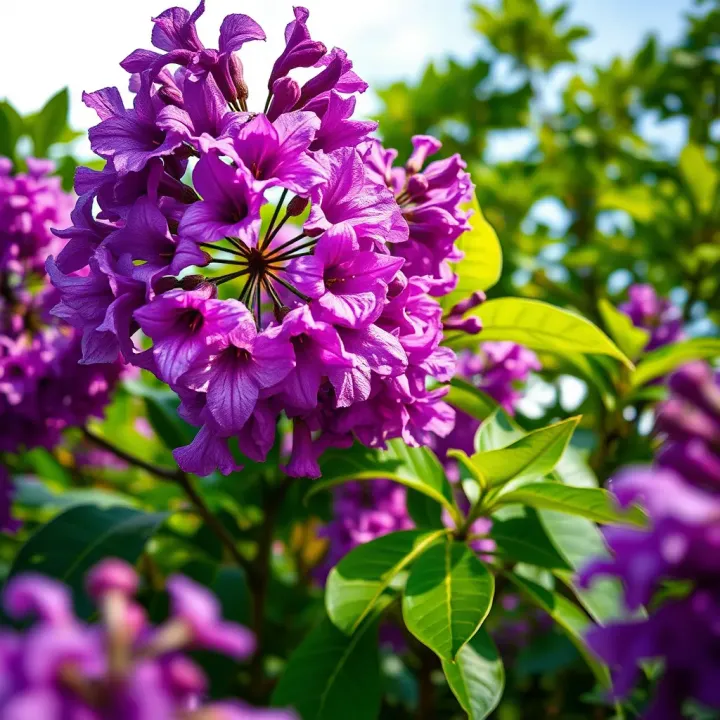
Uses and Benefits of Jacaranda Trees in Nigeria
Discover how Jacaranda enhances Nigerian spaces 🌳, from urban gardens to village landscapes. Learn uses, care tips, economic value ₦, and its role in local life.
Edited By
Matthew Johnson
Jacaranda trees stand out with their brilliant purple-blue flowers that transform any garden into a vibrant spectacle. Popular in many Nigerian urban landscapes, these trees bring more than just eye-catching colours; they also contribute to shade, greenery, and a touch of tropical elegance.
Originating from South America, jacaranda thrives best in warm climates, making Nigeria’s weather a good fit—especially in places with well-defined dry and wet seasons. They prefer full sun exposure and well-drained soils, which explains why they flourish in cities like Lagos and Abuja where the temperatures stay comfortably warm most of the year.
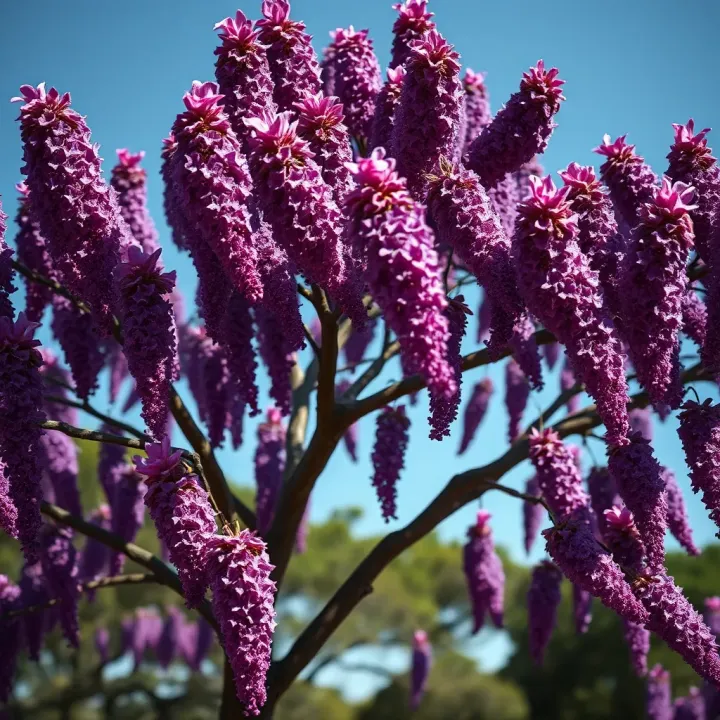
Understanding how jacaranda grows helps gardeners and landscapers nurture the trees successfully. These trees can reach heights of 5 to 15 metres, with a rounded or spreading canopy ideal for shading patios or walkways. Growth rate varies, but with proper care, they tend to establish well within 2 to 3 years.
Jacarandas are not just pretty faces. They’re useful for landscaping due to their moderate maintenance demands. The vibrant flowers attract bees and birds, enhancing biodiversity in urban areas. Additionally, fallen flowers add natural mulch that improves soil moisture retention.
Taking care of jacarandas means knowing their watering needs: moderate, with more frequent watering during prolonged dry spells and less during rainy seasons.
Here’s a quick checklist for starting your jacaranda:
Plant in a sunny spot with room to spread
Use well-draining soil to avoid root rot
Water moderately, especially during dry periods
Prune lightly after flowering to maintain shape
With these basics, you can expect a healthy tree that lifts the look of your garden or public space, adding a splash of colour that many admire. Later sections will explore specific care tips, common challenges, and diverse uses for jacarandas in Nigerian settings.
Jacaranda trees hold a special place in urban landscapes and gardens, particularly in regions with warm climates like Nigeria. Introducing these trees properly sets the tone for understanding their unique traits and practical benefits. Appreciation of their origin, varieties, and physical characteristics helps gardeners and landscapers make informed choices about planting and care.
By knowing where jacarandas thrive naturally and their key features, you can better anticipate how to integrate them into Nigerian environments. For example, some jacaranda species adapt well to local soil types and seasonal rainfall patterns, which influences their growth success. This section aims to arm you with essential background knowledge so you can recognise jacaranda trees confidently and manage their growth effectively.
Jacarandas primarily come from South America, especially from countries like Brazil, Argentina, and Uruguay. These trees usually favour tropical and subtropical climates with moderate rainfall and well-drained soil. Knowing their natural conditions is useful because it guides how to mimic those settings in Nigerian gardens to enhance growth.
Since jacarandas flourish in regions with distinct wet and dry seasons, they handle Nigeria’s climate reasonably well, especially in southern states where rainfall is consistent for much of the year. This similarity means jacarandas can grow with less intervention if planted in suitable spots.
The two most popular species are Jacaranda mimosifolia and Jacaranda cuspidifolia. J. mimosifolia, also called the blue jacaranda, is admired for its abundant purple-blue flowers and is the common choice for ornamental planting in Nigerian cities like Lagos and Abuja.
Meanwhile, J. cuspidifolia tends to have lighter flowers and a more compact form, making it handy for smaller gardens. Choosing the right variety depends on your space and aesthetic goals; J. mimosifolia suits large parks or road medians, while smaller types fit residential compounds.
Jacaranda leaves are fern-like, composed of many small leaflets arranged neatly on a central stalk. This delicate foliage helps the tree look light and airy, providing filtered shade rather than dense cover, which can be ideal for garden spaces where you want some sunlight through.
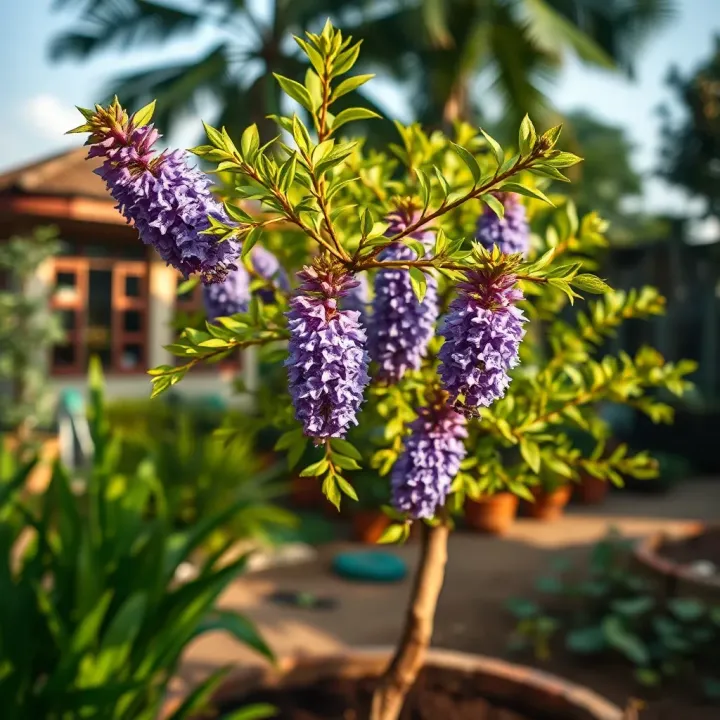
Their flowers are the highlight—clusters of trumpet-shaped blooms that range from lilac to deep purple. These blooms often appear in the dry season, creating a vibrant splash of colour that brightens any environment. For residents in urban Nigeria, jacaranda flowers herald the start of more pleasant weather and make gardens stand out.
Jacaranda trees can grow up to 15 metres tall, with a spreading, irregular crown that often forms a rounded or vase-like shape. This moderate size makes them versatile; they can shade homes or streets without the risks associated with large, heavy trees breaking branches or damaging structures.
Their growth habit also means they require regular pruning to maintain shape and avoid overcrowding nearby plants or buildings. Proper shaping ensures the tree remains healthy and visually appealing in your space.
A well-chosen jacaranda not only enhances your garden’s beauty but can also provide a comfortable outdoor space suited to Nigeria’s climate and lifestyle.
Growing jacaranda trees in Nigeria offers a fresh touch of colour and shade to urban and rural spaces. These trees are not only visually striking with their vibrant purple blooms but also provide cooling benefits in the country's warm climate. Knowing what the trees need to thrive here saves you from the headache of failed planting attempts and wasted resources.
Jacarandas favour warm climates typical of Nigeria’s southern and middle belt regions. Ideally, they thrive where temperatures hover between 20°C and 30°C with annual rainfall ranging from 700 mm to 1,200 mm. For instance, Lagos and Ibadan, with their relatively moist conditions and moderate temperatures, suit jacarandas well. Too much rain or persistent cold spells can stunt growth or encourage fungal problems.
The soil type matters just as much as climate. Jacarandas prefer well-drained, sandy loam or loamy soils rich in organic matter. Nigerian clay-heavy soils, common around Abuja and Kaduna, might require soil amendment with sand or compost to improve drainage. Poor drainage often leads to root rot and other issues, so planting on raised beds or slight mounds helps prevent waterlogging. Also, slightly acidic to neutral soil pH (about 6.0 to 7.5) supports nutrient uptake in these trees.
Starting jacarandas from seed is straightforward but requires patience. Seeds germinate faster when soaked in warm water for a day before planting. Sow them in well-prepared nursery beds or pots with loose soil, keeping them moist but not soaked. Seedlings often appear within two to three weeks. For instance, farmers in Ondo State have reported good results with this method when combined with regular watering during the dry season.
Alternatively, cuttings and grafting help produce trees with predictable flower colour and growth habits. Semi-hardwood cuttings taken during the active growth period tend to root successfully when treated with rooting hormone and placed in moist, shaded conditions. Grafting offers quicker flowering but takes more skill and care. In commercial nurseries around Lagos, grafting jacarandas has helped ensure uniform tree quality for landscaping projects.
Pests such as aphids and spider mites sometimes target jacarandas, especially during the dry season when natural predators reduce. Monitoring and natural remedies like neem oil applications help control infestations without chemical overuse. Diseases like powdery mildew or root rot can develop in overly wet or poorly ventilated conditions, so balancing watering and pruning is key to prevention.
The dry seasons in Nigeria pose a real test for jacaranda trees. Prolonged droughts reduce flowering and weaken the tree, making it vulnerable to pests and diseases. Regular watering—ideally every two to three days during dry spells—and mulching help retain soil moisture. In areas like Kano, where dry winds are common, providing partial shade to young trees improves survival rates considerably.
For anyone serious about growing jacarandas in Nigeria, adjusting to local climate quirks and soil conditions improves success rates sharply. Proper care during dry periods and vigilant pest control go a long way toward establishing healthy, attractive trees.
This practical approach means more Nigerians can enjoy jacaranda’s beauty across home gardens, office compounds, and public spaces.
Jacaranda trees bring multiple advantages beyond their striking appearance. Understanding their uses and benefits helps homeowners, landscapers, and urban planners decide where to plant them for maximum impact. In Nigeria, their value spans aesthetics, environment, and the economy.
Aesthetic appeal in urban spaces
Jacarandas stand out with their rich purple-blue blossoms, making them a favourite choice for beautifying parks, streets, and gardens across Nigerian cities such as Lagos and Abuja. When these trees bloom around October–November, they paint boulevards in vibrant colour, attracting both residents and visitors. This visual charm adds value to urban property and enhances community spaces.
Their relatively fast growth helps quickly establish green corridors in busy neighbourhoods, softening concrete-heavy environments. Plus, their graceful, fern-like leaves offer delicate textures even outside the flowering season, maintaining a pleasant view year-round.
Shade and cooling effects
In the hot Nigerian climate, shade trees are not just nice to have but essential. Jacaranda’s broad canopy provides effective shade, cooling down streets, walkways, and home compounds. This natural cooling lessens reliance on air conditioners and fans, saving electricity costs.
For outdoor markets and open spaces, these trees create comfortable spots for vendors and shoppers, especially during ember months when heat intensifies. Their shade also helps reduce pavement temperature, which can improve the longevity of roads and pavements in urban areas.
Timber and wood uses
Although not as dense as traditional hardwoods, Jacaranda timber finds use in crafts, furniture, and light construction. Nigerian carpenters sometimes use its wood for making stools, decorative panels, and small-scale furniture due to its ease of work and attractive grain.
Its moderate durability means locals prefer it for indoor items and ornamental crafts rather than heavy-duty building. This use adds value within local wood markets and supports small-scale woodcraft artisans.
Role in biodiversity and soil conservation
Jacarandas play a part in maintaining local biodiversity. Their flowers attract pollinators like bees and butterflies, supporting the health of surrounding plants and gardens. This boosting of pollinator populations also benefits nearby crops, which is a quiet advantage for urban gardeners and peri-urban farmers.
On soil conservation, these trees help stabilise land with their root systems, reducing erosion during heavy rains common in Nigeria’s wet season. Planting jacarandas along riverbanks and slopes can curtail soil washing away, preserving fertile land. This environmental benefit aligns well with sustainable urban planning and agroforestry practices.
Jacaranda trees offer more than beauty; they improve urban living, support local economies, and help preserve Nigeria's environment.
Overall, jacarandas fit well into Nigeria’s urban and semi-rural landscapes, offering ornamental, economic, and ecological gains that deserve recognition and wider use.
Proper care plays a vital role in helping your jacaranda tree thrive, especially within Nigeria’s diverse climate. Attending to watering, fertilisation, pruning, and pest control ensures the tree develops its lush purple flowers and sturdy structure. Without this attention, even a hardy jacaranda can struggle against prolonged dry seasons or pest infestations common in many Nigerian states.
A consistent watering schedule is critical, particularly when the tree is young. During Nigeria's dry seasons, water your jacaranda deeply once or twice a week, depending on soil type and rainfall. Overwatering, however, can cause root rot, so make sure drainage is good. For mature jacarandas, watering can reduce to fortnightly, mostly to help during extended dry spells.
Fertiliser should be applied every two to three months during the growing season, roughly from March to October. A balanced compound fertiliser with nitrogen, phosphorus, and potassium (NPK 10-10-10) supports both foliage and flowering. Supplement with organic compost to improve soil structure and nutrient retention. If you notice yellowing leaves, it could signal nutrient deficiency, especially in iron or magnesium, so adding foliar feeds may help.
Shaping your jacaranda encourages healthy growth and spectacular bloom displays. Prune young trees lightly to remove weak or crossing branches, directing energy to strong shoots. Pruning after the flowering season helps maintain the tree’s size and encourages fresh growth next season. Avoid heavy pruning as it may reduce flowering.
Preventing disease and physical damage is just as important. Inspect your tree regularly for signs of bark damage or broken branches, especially after storms common in Nigerian rainy seasons. Clean cuts using sterilised tools reduce infection risks. Applying a protective mulch also helps conserve moisture and suppress weeds.
Pests like aphids and scale insects sometimes attack jacarandas. Look out for sticky residue on leaves or curled foliage. Managing pests early with neem oil spray or horticultural soap is effective. In severe cases, contacting a local garden expert can help identify and treat infestations.
Fungal infections such as powdery mildew can appear during humid weather. Symptoms include white powdery growth on leaves and shoots. Improve airflow by pruning congested branches and avoid overhead watering. Use recommended fungicides if infections spread, especially during rainy seasons when fungi thrive.
Caring well for your jacaranda not only guarantees a beautiful tree but protects your investment against Nigeria’s challenging environmental factors. With proper watering, feeding, pruning, and vigilance, your jacaranda will flourish for many years.
Discover how Jacaranda enhances Nigerian spaces 🌳, from urban gardens to village landscapes. Learn uses, care tips, economic value ₦, and its role in local life.
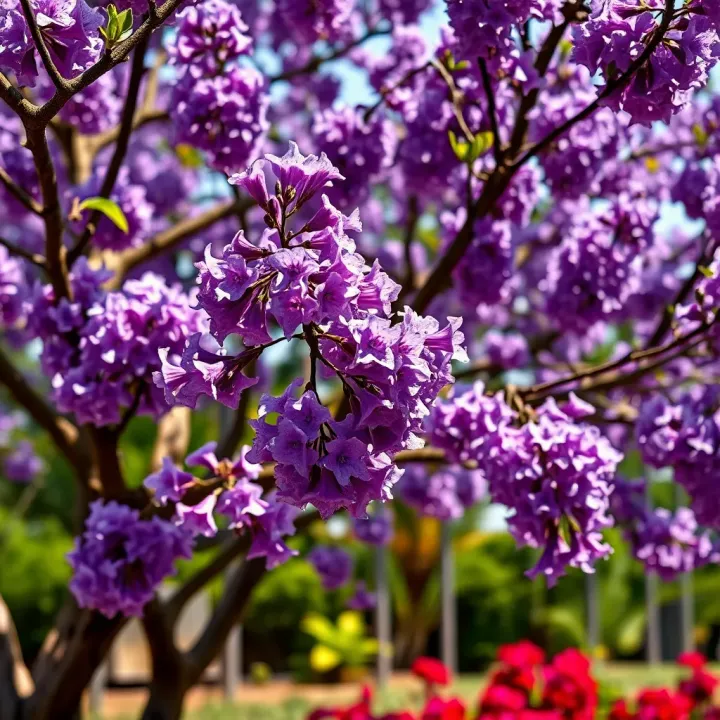
🌳 Learn how to grow and maintain jacaranda trees in Nigeria with practical tips on planting, watering, fertilising, pruning, and pest control to keep the vibrant purple blooms thriving.
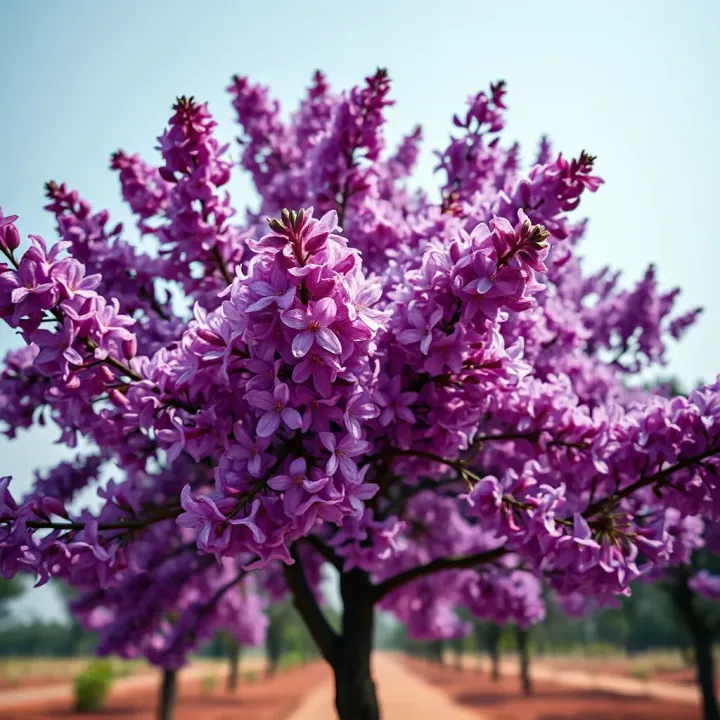
🌳 Discover jacaranda trees in Cameroon: their unique purple flowers, ecological benefits, local uses, and how they boost the economy for communities and businesses.
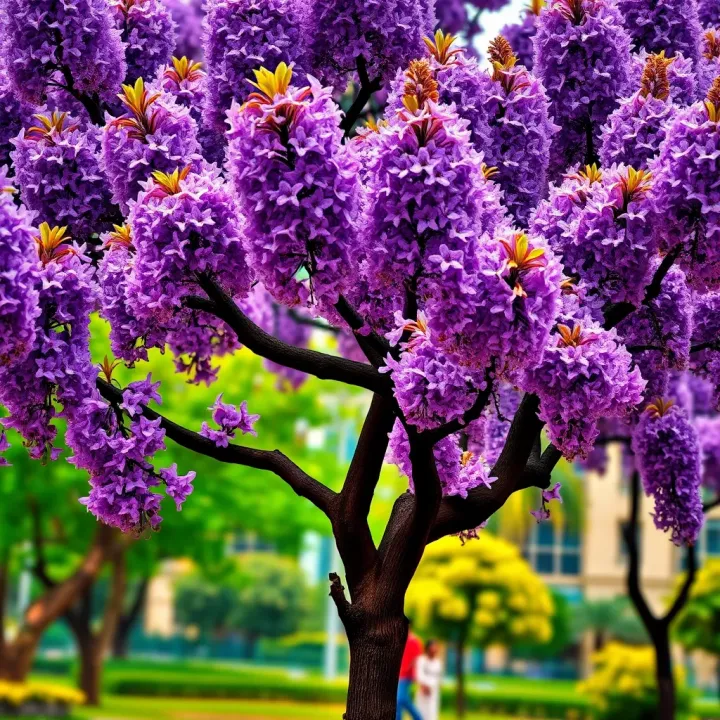
🌳 Can jacaranda trees thrive in Nigeria's heat and soil? Discover practical tips for planting in cities, care advice, and how they stack up against local trees.
Based on 14 reviews