
Jacaranda Care Tips for Nigerian Gardens
Edited By
Emily Chukwu
Prelude
Jacaranda trees, known for their stunning purple flowers, have become a favourite in Nigerian gardens and public spaces. Their seasonal bloom brings a splash of colour that transforms everyday streets and homes into vibrant scenes, especially from late October through December. However, to keep these trees healthy and flowering year after year, some attention is necessary.
In Nigeria’s climate, jacarandas thrive best in well-drained soil with regular access to sunlight—at least six hours daily. Planting them in sandy loam or slightly acidic soil helps avoid waterlogging, which can cause root rot. For instance, in Lagos where drainage can be a challenge, high soil beds or gentle mounds aid growth by preventing excess moisture around the roots.
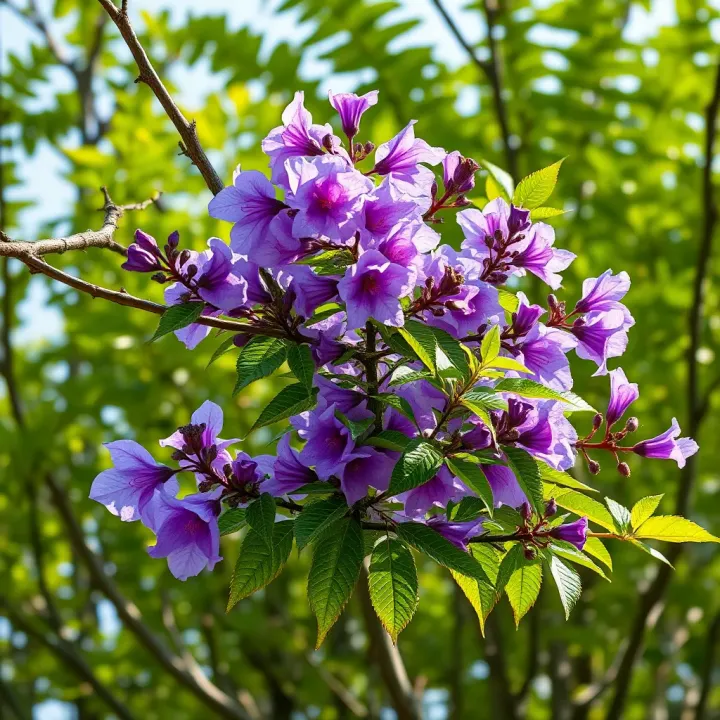
Proper watering is key, especially in the dry seasons. Young jacaranda trees require deep watering twice a week to establish their roots. Mature trees, on the other hand, can manage with weekly watering, but beware of overwatering during rainy periods. A simple way to check is by feeling the soil; if it’s soggy, delay watering to avoid stress to the roots.
Fertilising helps boost growth and flower yield. Use a balanced NPK (nitrogen-phosphorus-potassium) fertiliser during early growth periods. For Nigerian conditions, a monthly application from April to September is a practical schedule, given the local rainy season supports nutrient absorption.
Pruning jacarandas lightly helps maintain their shape and encourages fresh blooms. Remove dead or weak branches after the flowering season, typically around January. Avoid heavy pruning as it can reduce flowering the next season.
Pest management is crucial but often neglected. Common pests like aphids or scale insects may settle on jacaranda leaves, especially in humid environments like Calabar or Port Harcourt. Using neem oil or insecticidal soap is a proven, eco-friendly approach to keep pests at bay.
Remember, local factors such as soil type and rainfall patterns strongly influence jacaranda care. Adjust your routine based on regional conditions to get the best results.
By paying attention to these practical care tips, Nigerian gardeners and landscapers can enjoy jacaranda trees that not only survive but flourish, offering radiant purple blooms that brighten the surroundings each year.
Choosing the Right Location for Your Jacaranda Tree
Picking the ideal spot for your jacaranda tree sets the foundation for its health and bloom success in Nigerian conditions. A well-chosen location ensures the tree receives the right sunlight, gets adequate water drainage, and has enough space to flourish without competition. This section outlines these critical details to help your jacaranda thrive.
Sunlight and Soil Preferences
Optimal sunlight exposure in Nigerian climates
Jacaranda trees favour full sun exposure to produce the best purple blooms. In Nigeria's tropical and sub-tropical zones, positioning your jacaranda where it catches direct sunlight for at least six hours daily helps maintain strong growth. For instance, a garden in Lagos should avoid heavy shade from tall buildings or dense canopy; instead, a backyard with open sky exposure is ideal. Excess shade can stunt flowering and cause sparse leafing.
Soil types that support healthy growth
Jacarandas prefer well-drained, sandy loam soils common across many Nigerian regions, including parts of Abuja and Ibadan. Such soil offers enough nutrients and good aeration. However, clay-heavy or compacted soils found in some flood-prone areas like parts of the Niger Delta may retain excess water, risking root damage. Amending these soils with organic compost or coarse sand improves texture and nutrient content, giving your tree a better chance at healthy growth.
Drainage needs to avoid root issues
Proper drainage prevents root rot, a common threat in Nigeria's rainy season. Plant your jacaranda in slightly elevated areas or create raised beds if your garden tends to hold water. Avoid low-lying spots prone to puddling during heavy rains. For example, in Port Harcourt’s humid environment, adding drainage channels or mixing gravel under the planting hole helps excess water escape, protecting roots from suffocation and decay.
Space Considerations and Planting Distance
Avoiding overcrowding with other plants
Jacarandas need room to breathe. Crowding them with dense shrubs or other trees can limit airflow and light, increasing pest risks and weakening the tree. In residential gardens, keep at least 3–4 metres clearance from other plants to prevent competition for nutrients and sunlight. This space also helps reduce diseases spread and keeps the tree visually prominent for its striking blooms.
Allowing room for mature tree spread
A mature jacaranda can grow up to 10 metres tall with a broad canopy. Planning adequate spacing—minimum 6 metres between trees or structures—prevents future interference with buildings, power lines, or walkways. In urban Nigerian settings like Lagos or Abuja, allocating this room early on avoids costly trimming or damage later. Also, wide spacing promotes stronger branches and a fuller canopy, enriching the tree’s beauty that draws neighbours’ admiration.
Careful site selection not only boosts jacaranda health but also ensures your garden remains manageable and visually appealing throughout the tree’s lifespan.
Watering Tips for Jacaranda Trees in Nigeria
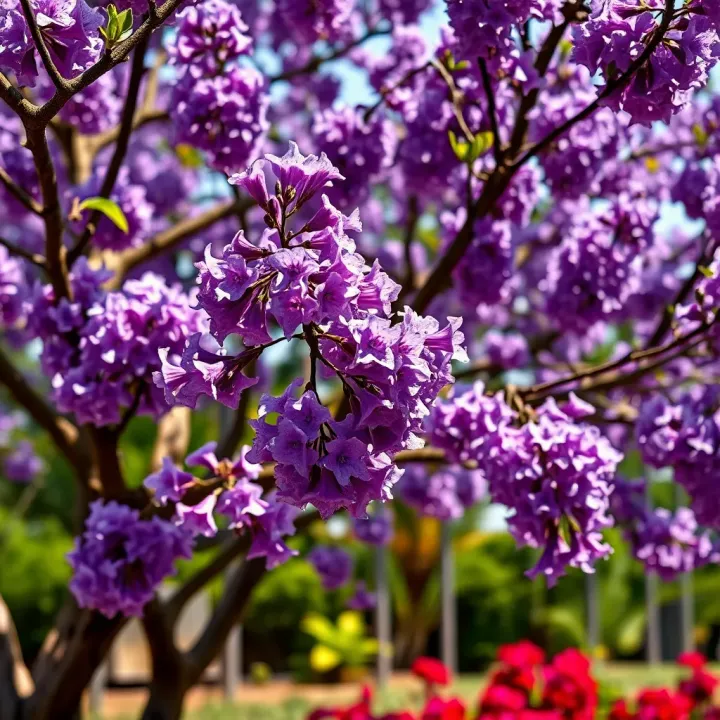
Proper watering is key for the health and vibrant blooms of jacaranda trees in Nigeria’s often harsh climate. While jacarandas are relatively drought-tolerant once established, young trees require careful watering to build strong roots. Overwatering or underwatering can harm growth, cause leaf drop, and affect flowering. Getting the watering right will help keep your jacaranda thriving through both the dry harmattan season and the southern wet season.
Establishing a Watering Schedule
During Nigeria’s wet season, typically from April to October depending on your region, rainfall usually meets the water needs of established jacarandas. You typically only need to water newly planted or young trees lightly once or twice a week if it hasn't rained much. On the other hand, the dry season, especially around harmattan months (November to February), calls for more regular watering. Depending on your location—Lagos versus Kano, for instance—watering frequency in dry times can rise to three times a week to prevent the soil from drying out completely.
For young jacarandas, water deeply but less frequently to encourage roots to grow stronger and deeper. Daily light watering might seem helpful but can result in weak root systems. Established trees, which have grown past one year, often manage with watering once every one or two weeks during dry spells unless the weather gets especially hot and dry.
Regarding the amount of water, jacarandas prefer a slow, deep soak rather than a quick sprinkle. Each watering session should aim to moisten the root zone thoroughly—roughly 30 to 60 litres per irrigation for a mature tree, depending on size. This helps water penetrate soil layers and supports root uptake instead of just sitting on top or evaporating quickly. For young saplings, about 10 to 20 litres per watering is sufficient to keep the root ball moist but not soggy.
Signs of Underwatering and Overwatering
One of the quickest ways to tell if your jacaranda is unhappy with its watering is through its leaves. Yellowing and dropping leaves can signal both underwatering and overwatering, so context matters. If the leaves wilt, curl, and fall during dry periods without obvious rain, the tree likely needs more water. Conversely, wilting leaves with soft, moist soil hint at excess water causing root stress.
Root rot is a serious problem caused by overwatering or poor drainage. If your jacaranda has soggy soil for long periods, roots can suffocate and decay, leading to a weak, declining tree. Symptoms include blackened or mushy roots if inspected, leaves turning yellow and falling prematurely, and sometimes a sudden wilting despite wet soil. Preventing this means sticking to the right watering schedule and ensuring soil drains well; clay-heavy soils in parts of Nigeria may need amendment with sand or organic matter to free up water flow.
Tip: Always check soil moisture by feeling the soil 10–15 cm below the surface before watering. If it’s still damp, hold off watering to avoid overdoing it.
Proper watering isn’t just about quantity; it requires observing your jacaranda’s condition and adjusting for seasonal changes. Nigerian gardeners who tune into these cues regularly will find their jacarandas reward them with those lush purple displays year after year.
Fertilising Your Jacaranda for Thriving Growth
Fertilising is a key step in helping your jacaranda tree reach its full potential. In Nigerian soils, which can be either sandy or clayey with varying fertility, adding the right nutrients ensures robust growth and those stunning purple blooms. Proper nutrition strengthens the tree’s resilience against pests, diseases, and harsh weather—especially during the dry season when soil nutrients are quickly depleted.
Best Fertiliser Types for Nigerian Soil
When choosing fertilisers, you’ll encounter two main types: organic and synthetic. Organic fertilisers are derived from natural sources such as compost, manure, or poultry droppings. They improve soil structure and feed soil microbes, which gradually releases nutrients over time. This slow-release effect suits jacarandas well, preventing nutrient shock in Nigerian weather. However, organic options may require repeated application to maintain nutrient levels.
On the other hand, synthetic fertilisers offer precise nutrient ratios and quicker nutrient availability. For jacarandas, formulations with balanced nitrogen (N), phosphorus (P), and potassium (K) support both leaf growth and flower development. For example, a 10-10-10 or 15-15-15 NPK mix can be applied to compensate for nutrient-poor soils common in parts of Nigeria. Still, care is needed to avoid overuse, which can burn roots or harm the environment.
Jacarandas require an adequate supply of nitrogen for leaf and branch growth, phosphorus to encourage root development and flower production, and potassium to strengthen overall health. Deficiency in phosphorus, especially, might lead to fewer flowers and poor bloom quality. Micronutrients like magnesium and iron also play roles in leaf colour and photosynthesis, so their presence in your fertiliser matters.
Timing and Frequency of Feeding
Jacarandas in Nigeria benefit most from fertilisation at key growth stages. The start of the rainy season is ideal since natural moisture aids nutrient uptake. Applying fertiliser in late March or early April helps the tree take advantage of the rains. Follow up with another round in mid-summer, especially if growth looks slow or leaves appear pale.
Avoid fertilising during the peak dry season or right before dormancy, as the tree’s nutrient absorption slows, risking wastage and potential damage. Regular feeding every two to three months during the active growth phase usually suffices for healthy growth.
Over-fertilising is a common mistake that can stunt jacaranda growth or cause leaf burn. Always stick to recommended doses and monitor how your tree responds.
Too much fertiliser, especially high-nitrogen types, encourages lush foliage but reduces flower production and may invite pests. Watch for signs like dark green leaves with few flowers or burnt leaf edges, which hint that you've gone overboard. To avoid this, start with half the package instructions and increase only if needed.
By balancing fertilisation type, timing, and amount, your jacaranda will thrive, producing vivid purple blooms that brighten any Nigerian garden.
Pruning and Maintenance Practices
Pruning is essential for the jacaranda tree to maintain a healthy structure and encourage fuller growth. When pruned properly, the tree develops a balanced shape that allows sunlight to reach inner branches, enhancing photosynthesis and overall vitality. Regular pruning also prevents the tree from becoming too dense, which reduces air circulation and invites diseases.
When and How to Prune Jacaranda Trees
Encouraging healthy shape and growth: Pruning your jacaranda encourages strong branch formation and a neat appearance. Cutting back long, crowded branches allows more light and air into the canopy, helping new shoots grow evenly. In Nigeria's variable climate, shaping the tree early—particularly during the dry season—prepares it to withstand heavy rain and wind without damage. For example, trimming side branches that compete with the main stem keeps the tree upright and less prone to breakage.
Removing dead or damaged branches: Dead or broken branches can become entry points for pests and diseases, which can spread quickly in Nigerian environments. Removing these branches promptly reduces infection risk and keeps your jacaranda looking its best. For instance, after storms common in the ember months, check your tree for snapped limbs or branches with dry leaves and prune them away. This clean-up also helps redirect the tree’s energy towards healthy growth instead of trying to sustain dying parts.
Routine Maintenance for Tree Health
Checking for pests: Jacarandas in Nigeria sometimes attract pests like aphids and scale insects, which suck sap and weaken the tree. Regular inspection allows early detection before infestations worsen. Inspect leaves and branches closely, especially under leaves and near new growth. If you notice sticky residue or sooty mould, these are signs pests are active. Managing pests naturally, such as using neem oil or insecticidal soap, works well without harming the tree or surrounding plants.
Cleaning fallen leaves and flowers: Keeping the area beneath your jacaranda tidy helps prevent fungal growth and pest breeding grounds. Fallen purple blossoms and dry leaves left to rot create damp conditions that support diseases like powdery mildew or root rot. Sweep or rake these off regularly, especially during Nigeria’s wet season, to maintain good hygiene. This also keeps your garden neat and reduces the risk of slipping hazards when the ground is wet.
Consistent pruning and maintenance improve your jacaranda’s lifespan and flowering performance. A well-kept tree not only boosts your garden’s beauty but also resists Nigerian weather stresses and local pests more effectively.
Regular care prevents problems before they start, ensuring that your jacaranda continues to decorate your space with its vibrant purple blooms season after season.
Dealing with Common Jacaranda Problems in Nigeria
Jacaranda trees bring beautiful purple hues to Nigerian landscapes but are not without challenges. Managing common pests and diseases is essential to keep these trees healthy and vibrant. Without proper care, these problems can stunt growth or reduce flowering, costing you the joy and value of your jacaranda.
Pests and How to Manage Them
Jacaranda trees in Nigeria often face attacks from insects such as aphids, scale insects, and caterpillars. Aphids cluster on leaves and stems, sucking sap and causing leaf curling or yellowing. Scale insects look like tiny bumps on branches and weaken the tree by draining nutrients. Caterpillars chew on leaves, sometimes defoliating branches if infestations go unchecked. These pests thrive more in poorly maintained or drought-stressed trees.
To manage these pests safely, start with regular inspections to catch early signs. You can use a strong jet of water to knock off aphids and caterpillars. For scale insects, gentle scrubbing or pruning affected branches helps. Applying neem oil or insecticidal soap is effective and eco-friendly, especially where chemical pesticides might harm beneficial insects or nearby plants. Avoid overusing harsh chemicals, which may damage the jacaranda or surrounding environment.
Disease Symptoms and Treatment Options
Fungal infections are a common concern for jacarandas, particularly during Nigeria’s humid rainy season. Powdery mildew, appearing as white powdery spots on leaves, can reduce photosynthesis and slow growth. Root rot, another fungal issue, happens when waterlogging damages roots, causing wilting or dieback.
To combat fungal problems, maintain good airflow around the tree by pruning overcrowded branches. Water the tree at the base early in the day to let leaves dry before nightfall. Fungicides are sometimes necessary, but local agricultural services can advise on the safest options for your area.
Root and leaf diseases also result from poor drainage or injuries allowing pathogens in. Signs include leaf spots, yellowing, or unusual branch dieback. To control these, ensure soil drains well and avoid injuries during gardening. Removing affected leaves reduces spread. In serious cases, professional advice and treatments from plant health experts in Nigeria can help protect your jacaranda.
Spotting and managing pests and diseases early can save your jacaranda from permanent damage. A little vigilance goes a long way to keep these purple beauties blooming season after season.
In summary, understanding the local pests and diseases affecting jacarandas allows Nigerian gardeners to protect their trees effectively. Regular monitoring and appropriate care minimise damage while promoting healthy growth and stunning flowers.
Tips for Enhancing Jacaranda Flower Bloom
Jacaranda trees dazzle Nigerian gardens with their purple blooms, but getting the best out of these flowers needs more than just planting. Giving proper care to encourage vibrant and abundant flowering ensures your jacaranda stands out, brightening your space and adding natural charm. Understanding how feeding, watering, avoiding stress, and seasonal routines affect bloom quality can help your tree flourish.
Encouraging Vibrant and Abundant Flowering
Proper feeding and watering are the pillars of healthy jacaranda blooms. The tree thrives when given balanced nutrients, especially phosphorus and potassium, which support flower development more than leafy growth. Using a low-nitrogen fertiliser in early spring, with about a handful around your mature tree’s drip line, helps push bloom growth without encouraging excessive leafiness. Regular watering plays a key role, especially during Nigeria’s dry season from November to March. The soil should be moist but not soggy; overwatering risks root rot, while letting the soil dry out too long stresses the tree. For example, watering every four days during dry spells keeps the plant hydrated without drowning it.
Avoiding stress factors like poor soil drainage or sudden temperature changes keeps jacaranda blossoms healthy. Stress can cause flower buds to drop prematurely or prevent them from opening fully. In Lagos, where humidity spikes combine with heat, mulching around the base helps moderate soil temperature and moisture levels. Also, protect your tree from strong winds common in harmattan season by situating it away from open spaces or using natural barriers like fences. Stress from improper pruning timing or pest infestations can also harm flowering, so regular monitoring is vital.
Seasonal Care to Maximise Bloom Duration
Managing temperature and sunlight exposure greatly affects how long jacaranda flowers last. These trees prefer full sunlight—at least six hours daily—to set buds well. However, intense midday sun in hot Nigerian cities like Kano can scorch leaves and flowers, shortening bloom lifespan. Partial shade during peak sun hours using shade cloth or planting near taller trees can reduce heat stress while maintaining enough light for flowering.
Pruning timing to promote flowers is another critical factor. Pruning jacaranda trees immediately after flowering encourages new growth that will bear next season’s buds. Avoid heavy pruning during active budding to prevent loss of flowers. A light trim to remove dead or crossing branches helps sunlight reach inner canopy areas, stimulating more blooms. In Abuja, where dry season pruning is common, it’s best done in March or April before the rainy season and flowering begins.
Vibrant jacaranda blooms depend on careful balance: timely feeding, watering, good site conditions, and seasonal pruning. This care pays off in extended purple displays that lift any Nigerian garden.
By applying these targeted techniques, your jacaranda will reward you each year with a richer, longer-lasting eruption of flowers that truly honour its reputation as Nigeria's beloved purple bloom.
FAQ
Based on 9 reviews