
Uses and Benefits of Jacaranda Trees in Nigeria
Discover how Jacaranda enhances Nigerian spaces 🌳, from urban gardens to village landscapes. Learn uses, care tips, economic value ₦, and its role in local life.
Edited By
Chinwe Nwosu
Jacaranda trees stand out in Cameroon’s landscape thanks to their vibrant purple flowers that often paint entire neighbourhoods with colour during blooming season. These trees aren’t just decorative; they play a meaningful role within Cameroon’s diverse ecology and economy.
Native mostly to southern parts where the climate favours their growth, jacarandas thrive in the country’s humid subtropical zones. Their ability to grow in both urban and rural areas makes them accessible to many communities. Over time, local farmers and gardeners have recognised their benefits beyond mere aesthetics.
Ecologically, jacarandas contribute to soil improvement. Their leaf litter decomposes into nutrient-rich organic matter, helping smaller plants around them to flourish. For instance, in agroforestry systems, farmers plant jacaranda among crops like cassava and maize to protect the soil and enhance yields. These trees also provide shade, which helps preserve moisture and cooler microclimates — vital during Cameroon's dry periods.
From an economic standpoint, jacaranda woods are sometimes used in local carpentry and crafts, although their main value lies in the ornamental plant market. Nurseries in cities like Douala and Yaoundé sell jacaranda seedlings to households and businesses aiming to beautify their environments. This trade supports small-scale entrepreneurs and gardeners.
Meanwhile, the striking flowering attracts pollinators such as bees and butterflies, indirectly supporting local honey production and biodiversity. This facet, while often overlooked, links jacarandas to wider ecological services benefiting agriculture.
Jacaranda trees are more than their looks; they underpin vital environmental and economic activities across various Cameroonian communities.
However, challenges like urban expansion and occasional droughts threaten their growth. Understanding jacaranda’s role pushes us to consider sustainable planting and conservation measures that keep these purple gems flourishing for future generations.
In the sections that follow, you will find practical insights into jacaranda cultivation, local uses, and their broader economic impact within Cameroon’s unique setting.
Understanding the distribution and characteristics of jacaranda trees in Cameroon is key to appreciating their ecological and economic roles. These aspects help identify where jacarandas can thrive, inform conservation efforts, and guide sustainable harvesting or cultivation practices suited to local conditions.
Jacaranda trees flourish mainly in the western and central regions of Cameroon, including parts of the Southwest region where the climate is moderately humid. Cities like Bamenda and Limbe have notable jacaranda populations, often lining streets and parks with their vibrant purple blooms every season. This geographic spread matters because it defines which communities directly benefit from jacaranda’s ecological and economic potential.
The growth of jacaranda is closely linked to specific climate conditions. They prefer tropical to subtropical climates with distinct wet and dry periods, typically found in Cameroon’s mid-altitude areas. Jacaranda thrives best in well-drained soils, ideally sandy loam or slightly acidic types that prevent waterlogging. For example, in Cameroon’s highland areas where drainage is efficient, jacaranda establishes well, while heavy clay soils in lowland zones limit their growth.
In Cameroon, the most common jacaranda species include Jacaranda mimosifolia and, to a lesser extent, Jacaranda cuspidifolia. The former is widely recognised for its use in ornamental landscaping and urban greening projects. Knowing which species are present is important for choosing the right trees for specific uses, such as timber production or environmental restoration.
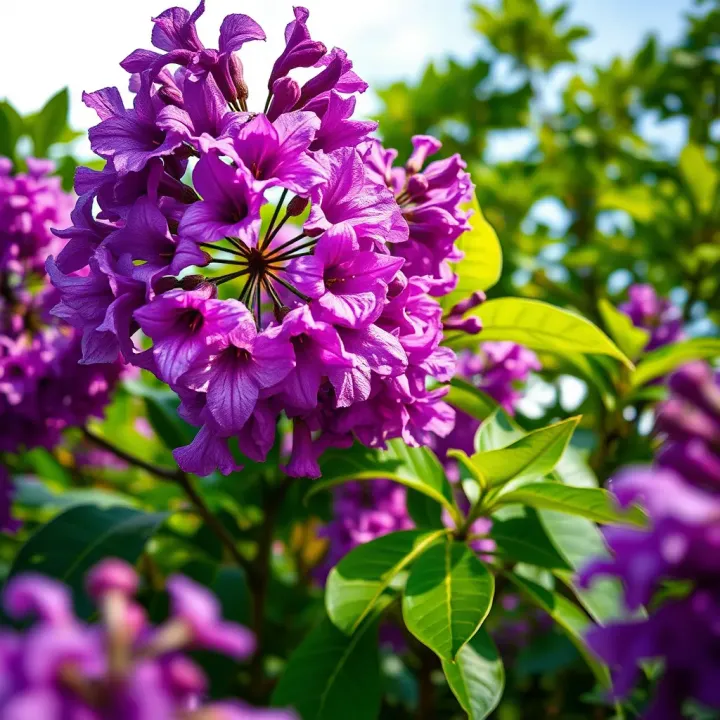
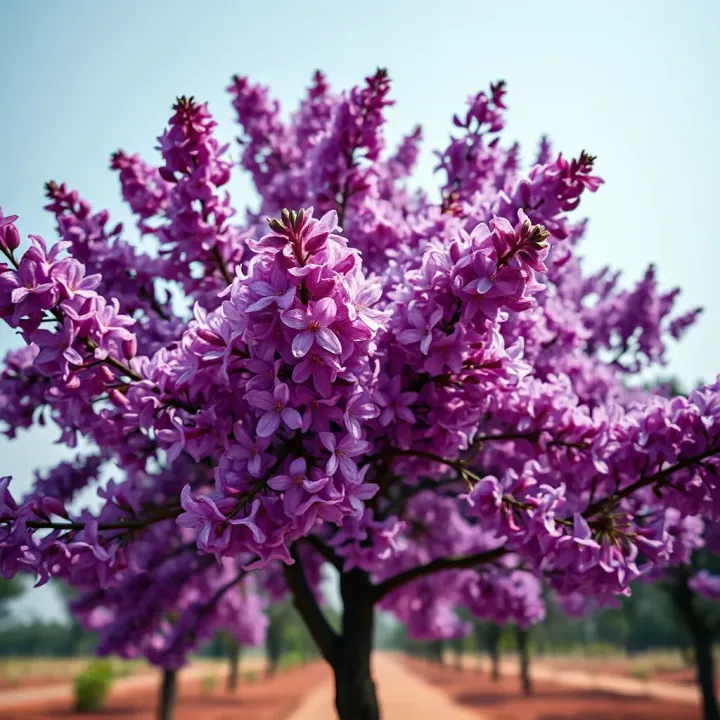
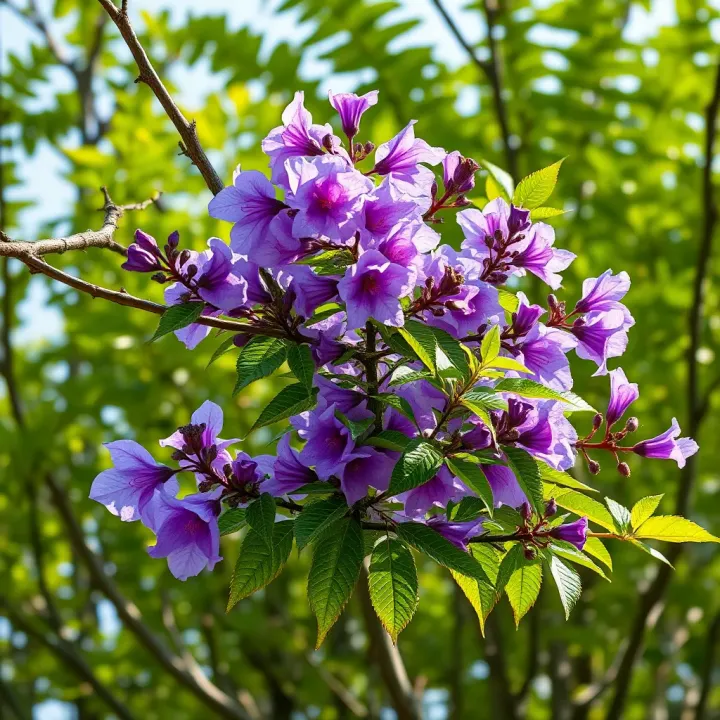
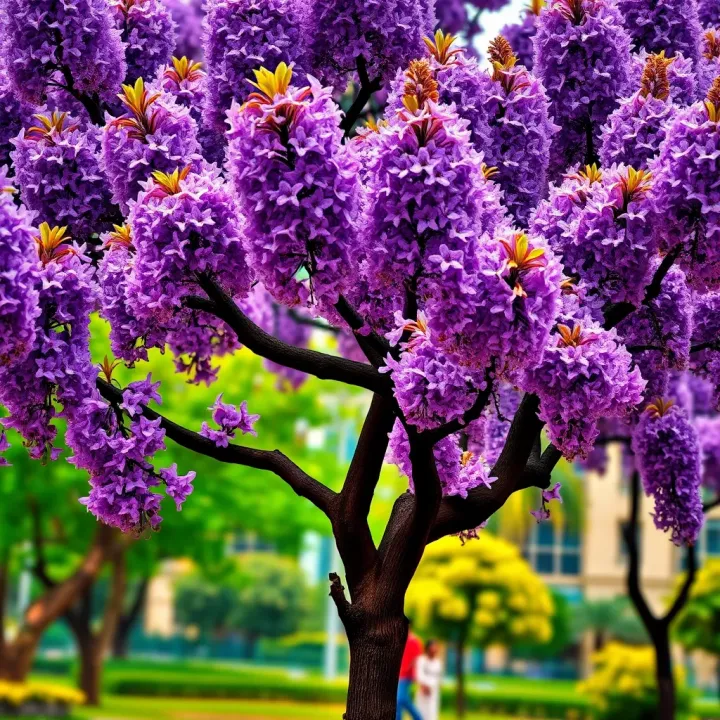
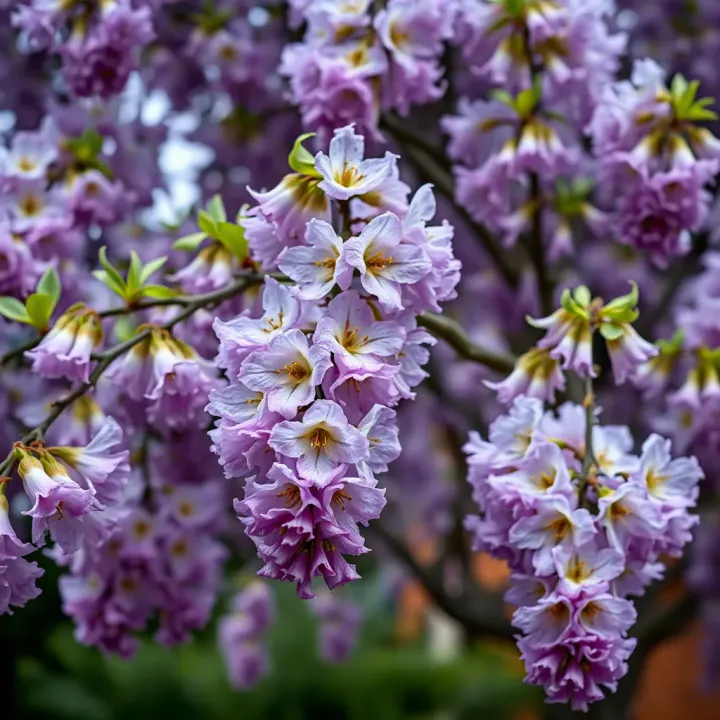
Physically, jacaranda trees stand between 10 and 15 metres tall, with a spreading canopy that provides ample shade. They are notable for their feathery, fern-like leaves and spectacular purple-blue trumpet-shaped flowers, usually blooming from late dry season into the early rainy season. This flowering cycle not only adds aesthetic value but also supports local pollinators during crucial periods. The timing aligns with many urban festivities and cultural events, making jacaranda an integral part of community life in regions where they grow.
The jacaranda’s presence in Cameroon is not just decorative; its specific habitat and botanical traits offer practical benefits in ecology, economy, and community wellbeing.
Thrives in mid-altitude, tropical to subtropical climates
Prefers well-drained, sandy loam soils
Common species: Jacaranda mimosifolia and Jacaranda cuspidifolia
Grows up to 15 metres with vibrant flowering cycles
Recognising these distribution and botanical characteristics aids stakeholders—whether urban planners, environmentalists, or farmers—in making informed decisions about jacaranda’s management and utilisation in Cameroon.
Jacaranda trees play a significant part in Cameroon's ecosystem by supporting biodiversity and influencing environmental processes. Their presence benefits both wildlife and the local communities that rely on a healthy environment. Understanding these ecological roles helps in promoting sustainable management of jacaranda populations.
Jacaranda trees provide shelter and nesting sites for a variety of bird species and small mammals. For example, the Purple Roller and other insectivorous birds often use jacaranda branches as perches for hunting. This relationship supports local food chains and helps maintain the balance of urban and rural ecosystems. In some communities, these trees also offer refuge to small squirrels and insects, adding to the variety of species in the area.
The vibrant purple flowers of jacaranda attract bees, butterflies, and other pollinators critical to crop production and natural vegetation health. Beekeepers in parts of Cameroon observe increased honey yields when jacaranda blooms coincide with their apiary calendar. This shows the tree’s role in sustaining pollinator populations, which are essential for agricultural productivity and biodiversity conservation.
Jacaranda trees help stabilise soil with their extensive root systems, which hold the ground firmly, especially on slopes and riverbanks. This prevents soil from washing away during heavy rains common in Cameroon’s wet season. Such erosion control reduces sedimentation in nearby water bodies, preserving water quality and protecting aquatic life.
By providing shade and reducing surface temperatures, jacaranda trees lower evaporation rates in their immediate environment. In urban areas like Douala and Yaoundé, where the heat island effect is a challenge, jacaranda trees contribute to moderating microclimates. Their presence also aids groundwater recharge by slowing rainwater runoff, ensuring more water percolates into the soil rather than quickly flowing into drains or rivers.
The ecological functions of jacaranda are not just environmental luxuries; they actively support agriculture, urban comfort, and biodiversity. Protecting these trees ensures continued benefits for communities and ecosystems in Cameroon.
This ecological perspective underlines why conserving jacaranda is relevant beyond their beauty—they are integral to environmental health and sustainable livelihoods in Cameroon.
Jacaranda trees hold notable economic value for many communities in Cameroon. Beyond their ornamental charm, they serve practical roles that benefit livelihoods and contribute to local economies. This section explores how jacaranda wood supports craftsmanship and construction, as well as its place in traditional medicine and cultural practices.
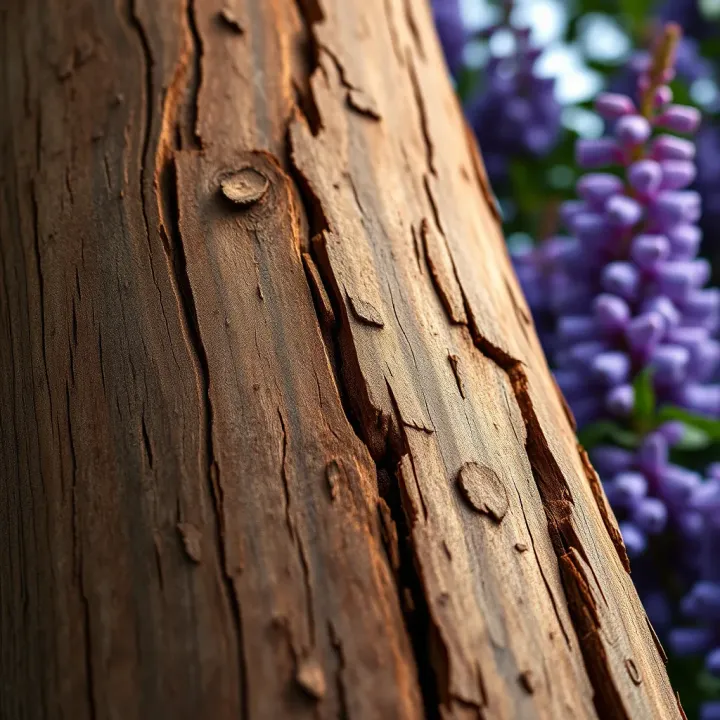
Jacaranda wood is prized for its moderate hardness and fine grain, which makes it versatile for various woodworking needs. It resists warping and cracking better than many local woods, which increases its lifespan in finished products. Its attractive light brown to pale yellow colour adds aesthetic value, especially when polished, making it sought after for both functional and decorative purposes.
Locally, jacaranda timber finds use in making furniture like chairs, tables, and shelves, where durability and appearance matter. Its workability allows artisans to carve intricate designs without the wood splintering easily. Builders occasionally prefer jacaranda for light construction works such as window frames and door panels, particularly in areas where stronger tropical hardwoods are either scarce or expensive. This practical use of jacaranda not only supports small-scale carpentry businesses but also reduces reliance on imported materials, creating a subtle boost to the local economy.
In traditional Cameroonian communities, parts of the jacaranda tree—especially its leaves and bark—are used for medicinal purposes. Herbalists prepare infusions believed to alleviate ailments like coughs, skin infections, and inflammation. The jacaranda holds cultural importance in some areas, featuring in rituals and community gatherings where its flowers symbolize renewal and prosperity.
There is growing interest in studying jacaranda’s bioactive compounds for pharmaceutical applications. Preliminary research suggests the tree contains substances with anti-inflammatory and antimicrobial properties that could lead to natural alternatives in treating infections. Developing these finds further might open avenues for Cameroon’s participation in bioprospecting, potentially leading to local production of herbal medicines and boosting health sector innovation.
Jacaranda trees provide more than just shade and beauty—they offer tangible economic benefits through their wood and medicinal potential, linking ecological presence to community prosperity.
Understanding how to cultivate jacaranda trees properly in Cameroon is vital, especially considering their ecological and economic roles. Effective cultivation ensures the trees thrive and continue to provide benefits, while recognising challenges helps in finding practical solutions to keep their populations healthy.
Seed collection and germination play a fundamental role in establishing jacaranda trees. Seeds are usually harvested from mature pods once they turn brown and dry, mostly between September and November, which aligns with the end of the rainy season. Collecting seeds at the right time guarantees higher germination rates. In practice, farmers or nursery operators plant the seeds in well-drained soil mixed with organic matter, maintaining adequate moisture without waterlogging. Germination typically occurs within two to three weeks, provided the soil temperature ranges between 20–25°C, common in the southern parts of Cameroon.
Best planting periods and care focus on timing and ongoing maintenance. The ideal planting season for young jacaranda seedlings is at the start of the rainy season, around March to May, ensuring they receive enough water for establishment. Care includes regular watering, especially during dry spells, and protection from pests like termites, which can damage young plants. Mulching around the base helps retain soil moisture and suppress weeds. In urban areas, where pollution and restricted space pose challenges, selecting planting spots with good sunlight and minimal foot traffic improves survival chances.
Impact of deforestation and urbanisation presents a significant threat to jacaranda growth in Cameroon. Expanding cities and agricultural fields lead to habitat loss, reducing natural jacaranda populations. In places like Bamenda and Yaoundé, rapid urban development has pushed green spaces aside, limiting where jacarandas can thrive. Moreover, deforestation for fuelwood and farming disrupts soil quality and water cycles, indirectly affecting jacaranda seedlings' survival.
Measures to ensure sustainable growth include community-led tree planting programmes and enforcement of forest protection laws. Encouraging local people, especially youth groups and schools, to participate in planting jacaranda trees helps replenish lost populations and improves urban landscapes. Government policies that regulate land use and promote green spaces within towns support sustainability. Besides, training nursery operators on best propagation and care techniques increases the availability of strong seedlings, ready for planting.
Protecting jacaranda trees is more than just conserving a beautiful species; it means safeguarding part of Cameroon’s natural heritage, supporting biodiversity, and boosting local economies.
Through targeted cultivation and tackling challenges head-on, Cameroon can maintain and expand its jacaranda populations, ensuring these striking trees remain part of the environment and economy.
The future of jacaranda development in Cameroon holds promise not only for environmental enhancement but also for economic growth and cultural enrichment. Expanding the use of jacaranda trees can provide tangible benefits, from beautifying urban spaces to promoting eco-tourism and advancing sustainable practices. This section explores concrete opportunities and recommendations to maximise these potentials.
Use in beautifying cities and towns
Jacaranda trees, with their vibrant purple blossoms, are well-suited for urban landscaping projects across Cameroon. Planting jacaranda along city streets, public parks, and around government offices can transform these spaces into visually appealing environments. This beautification not only improves the aesthetic value of urban areas but can also encourage outdoor activities and community gatherings. For instance, cities like Yaoundé and Douala could integrate jacarandas in road medians and open spaces, creating shaded areas that provide relief during hot seasons.
Besides appearance, jacaranda trees contribute to cooler microclimates by providing shade, reducing the urban heat island effect common in rapidly growing Nigerian cities. This practical benefit improves comfort for residents and reduces reliance on air conditioning, indirectly lowering electricity consumption in the context of frequent power outages.
Jacaranda festivals and cultural events
Hosting jacaranda-themed festivals offers an innovative approach to celebrate both nature and local culture. These events could include flower-viewing walks, arts and crafts markets, and cultural performances centred around the jacaranda bloom season. Events like this would attract tourists and locals alike, stimulating small businesses such as food vendors, artisans, and transport providers.
Given Cameroon’s rich cultural diversity, integrating jacaranda festivals into existing cultural calendars can foster a sense of pride and communal identity. For example, synchronising these festivals with regional holidays or local market days would optimise attendance and economic impact.
Encouraging scientific studies
Supporting research on jacaranda species endemic to Cameroon would help clarify their ecological roles, optimal cultivation practices, and potential resilience to climate variations. Universities and research centres could partner with local communities and government agencies to study growth rates, disease resistance, and interactions with native wildlife.
This evidence-based approach would inform more efficient planting schemes and address challenges like pests or water availability. Moreover, such studies can uncover opportunities for medicinal or industrial applications that have been overlooked so far.
Supporting conservation initiatives
Protecting existing jacaranda populations and promoting reforestation efforts should become policy priorities. Conservation programmes can include community education on the environmental benefits of jacaranda trees and incentives for planting them in rural and urban areas.
Local governments could integrate jacaranda conservation with broader green spaces plans, ensuring these trees are preserved amid urban growth and deforestation pressures. Incentivising private landowners and schools to plant and maintain jacarandas will also sustain long-term ecological and social benefits.
Jacaranda development in Cameroon offers a pathway to unite ecological health, economic opportunity, and cultural celebration, provided there is coordinated action supported by scientific understanding and strong conservation policies.
By focusing on these future prospects, Cameroon can leverage jacarandas not just as ornamental trees but as key contributors to sustainable development, community wellbeing, and national identity.
Discover how Jacaranda enhances Nigerian spaces 🌳, from urban gardens to village landscapes. Learn uses, care tips, economic value ₦, and its role in local life.
🌳 Learn how to grow and maintain jacaranda trees in Nigeria with practical tips on planting, watering, fertilising, pruning, and pest control to keep the vibrant purple blooms thriving.
🌳 Can jacaranda trees thrive in Nigeria's heat and soil? Discover practical tips for planting in cities, care advice, and how they stack up against local trees.
Discover Lite Jacaranda 🌳: a lighter Jacaranda tree variant perfect for Nigerian gardens. Learn its traits, care tips, uses in landscaping, and ideal growing conditions.
Based on 14 reviews