
Understanding Lite Jacaranda: Features and Care
Edited By
Grace Oladipo
Starting Point
Lite Jacaranda stands out as a lighter variant of the widely admired Jacaranda tree, a fact that makes it attractive to many garden enthusiasts across Nigeria. Unlike the traditional Jacaranda with its deep purple flowers and dense foliage, Lite Jacaranda features paler, softer-hued blooms alongside more delicate leaves. This difference not only gives it a gentler appearance but also allows better light penetration, which benefits surrounding plants in mixed garden settings.
This tree adapts well to Nigerian conditions, especially in regions with moderate rainfall and well-draining soil. It thrives in full sun but can tolerate partial shade, making it a good fit for both urban gardens and larger open spaces. Its moderate height and canopy spread provide enough shade without overwhelming nearby structures or smaller plants.
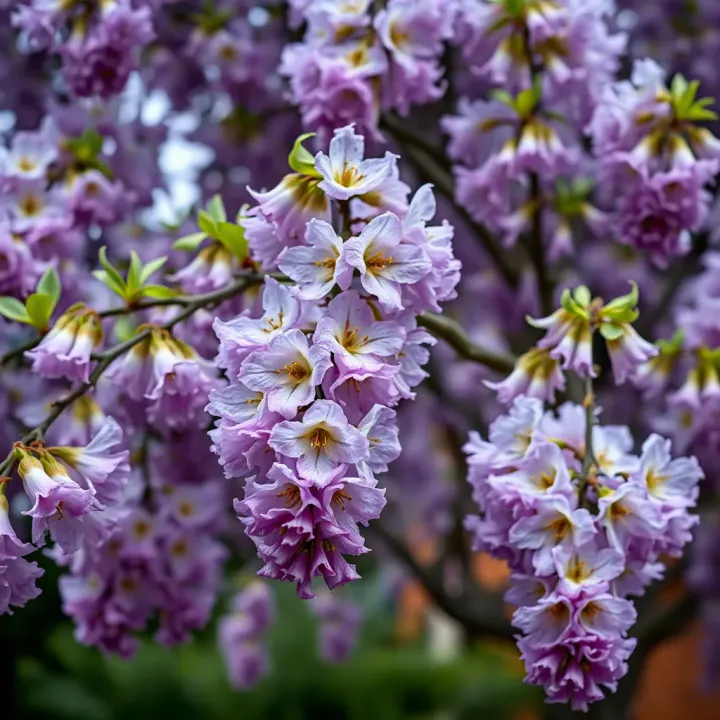
Many Nigerian landscapers and homeowners prefer Lite Jacaranda for its aesthetic appeal and practical uses. It's often planted along streets, in parks, and within estates to add a splash of subtle colour without the maintenance needs of denser trees. The lighter foliage also reduces leaf litter compared to heavier-leafed trees, which eases clean-up demands during the ember months.
For those looking to upgrade their outdoor spaces, Lite Jacaranda offers a balanced blend of beauty, shade, and ease of care suited to Nigerian climates.
Key Features of Lite Jacaranda
Light foliage: Pale green to silvery leaves reduce heat absorption.
Soft-coloured flowers: Shades of pale lilac or white distinguish it from the common purple Jacaranda.
Moderate size: Typically grows up to 8–12 metres, manageable for urban yards.
Drought tolerance: Can withstand dry spells common in northern Nigerian zones.
This blend of traits makes Lite Jacaranda an excellent choice for Nigerians who want something visually appealing yet practical. The tree’s lighter appearance pairs well with native plants and fits into contemporary landscaping designs without overwhelming the space.
Looking beyond its visual characteristics, Lite Jacaranda is relatively straightforward to maintain, with pruning mostly needed to shape the canopy or remove dead branches. It doesn’t demand heavy fertilisation — a bonus for gardeners mindful of costs. Its growth rate is moderate, allowing for steady development that suits home gardens and public green areas alike.
In summary, Lite Jacaranda’s unique look and adaptability to Nigerian environments explain why it’s gaining traction among homeowners, landscapers, and urban planners alike. Knowing its features helps you decide if this variant fits your outdoor needs and care capabilities.
Prologue to Lite Jacaranda
Lite Jacaranda has gained attention in Nigerian horticulture as a promising option for gardeners seeking a lighter, more manageable version of the classic Jacaranda tree. This section lays the groundwork by explaining what Lite Jacaranda is and how it differs from the standard Jacaranda, helping you understand why it might be worth including in your landscape plans. For instance, its lighter foliage colours and flowers can brighten a garden without overwhelming the space, which is ideal for residential or commercial properties in Nigerian cities like Lagos or Abuja.
What is Lite Jacaranda?
Lite Jacaranda refers to a variant of the popular Jacaranda mimosifolia, known for its distinctively paler leaves and flowers than the conventional jacaranda. While the usual Jacaranda sports deep purple blossoms, Lite Jacaranda features more delicate, softer lilac or blue shades, providing a fresh visual appeal. This variant is appreciated for combining the jacaranda’s aesthetic charm with a subtler presence, making it suitable for smaller gardens or places where less dense shade is preferred. Moreover, in Nigeria’s warm climate, Lite Jacaranda adapts well without demanding excessive water or special soil amendments.
Differences Between Lite Jacaranda and Standard Jacaranda
Several key differences separate Lite Jacaranda from the traditional type, making each suitable for distinct purposes. Firstly, the flower colour is noticeably lighter, which affects the overall garden mood – Lite Jacaranda brings a gentler, pastel tone compared to the bold purples of standard Jacaranda. Secondly, Lite Jacaranda tends to have a less dense canopy with finer foliage, allowing more sunlight to filter through, which is advantageous in Nigerian homes where full shade can be limiting.
Additionally, the growth habit of Lite Jacaranda is slightly more compact, often reaching moderate heights around 6 to 8 metres, unlike the standard one that can grow taller. This dimension difference makes Lite Jacaranda easier to manage and prune without heavy machinery or professional help. Plus, its lighter foliage reduces the volume of leaf litter, which translates to easier garden clean-up – a practical benefit in urban areas where maintenance time is tight.
Considering its adaptable nature and calmer aesthetics, Lite Jacaranda presents a practical alternative for landscaping needs in Nigerian contexts where space, maintenance, and climate resilience matter.
Understanding these specifics helps you choose which Jacaranda variant fits your property or project best, balancing beauty with functional use.
Physical Characteristics of Lite Jacaranda
Understanding the physical characteristics of Lite Jacaranda is vital for anyone looking to grow or utilise this tree confidently. Its distinctive traits influence where it thrives, how it fits into landscaping designs, and what care it requires. In Nigeria’s diverse environments, knowing these specifics helps gardeners and landscapers make smarter choices that suit local conditions and aesthetic preferences.
Foliage and Flower Features
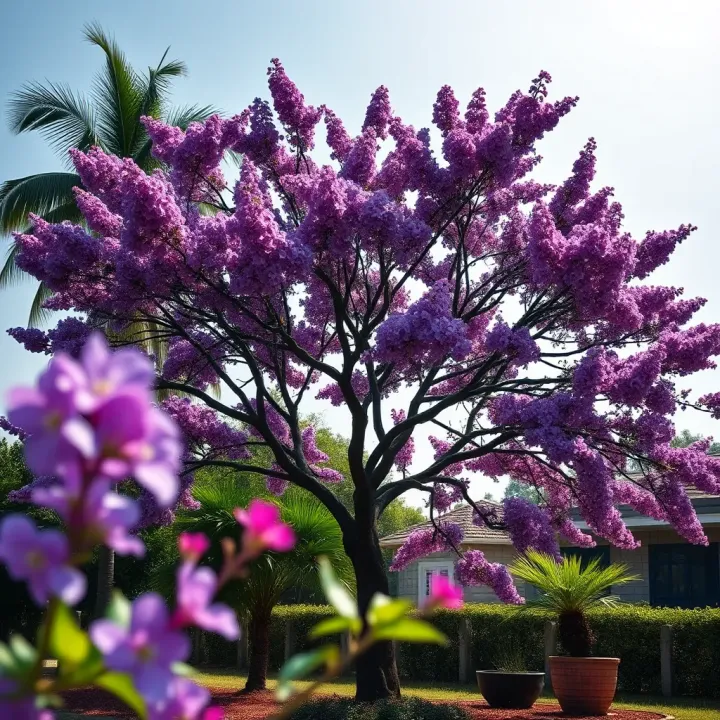
Lite Jacaranda stands out with its lighter, almost silvery-green foliage, which contrasts nicely against the typical deep green seen in standard Jacarandas. The leaves are finely divided, creating a feathery, delicate appearance that filters sunlight elegantly. This quality makes it a preferred choice for patios and gardens where dappled shade is desired.
The flowers of Lite Jacaranda are similarly lighter in shade. Rather than the classic rich purple of standard Jacaranda blossoms, these flowers tend to be pale lilac or lavender. They bloom mostly during the dry season, adding subtle colour without overpowering the landscape. The lighter flowers attract local pollinators like bees and butterflies, helping biodiversity while enhancing garden atmosphere.
Practical Note: Homeowners often choose Lite Jacaranda where a softer florid look suits the setting, especially in places that already have bold-coloured plants or structures. Plus, lighter flowers mean less colour staining on pathways below, something useful in busy outdoor spaces.
Growth Habit and Size
Lite Jacaranda generally exhibits a more compact growth habit compared to its full-sized relatives. It usually reaches heights between 5 to 8 metres, which is ideal for urban gardens and smaller compounds common in Nigerian cities like Lagos and Abuja. Its branches grow in a spreading manner, offering effective shade without overwhelming surrounding plants or buildings.
This moderate size also simplifies maintenance and pruning, making Lite Jacaranda less demanding on time and resources. It’s sturdy enough to withstand moderate winds, although like most trees, it benefits from support during heavy storms.
For Nigerian gardeners, the manageable size of Lite Jacaranda means it fits well into various spaces, from home yards to boutique hotels and even road medians.
In essence, the physical traits of Lite Jacaranda — from its subtle foliage and flower tones to its compact, graceful growth — combine practical and aesthetic advantages. These features make it a versatile option tailored for Nigerian horticultural needs and lifestyle preferences.
Ideal Growing Conditions for Lite Jacaranda
Understanding the right environment for Lite Jacaranda helps you get the best out of this elegant tree, especially in Nigeria where climate and soil vary widely. Getting the soil, sunlight, and water conditions right ensures healthy growth and vibrant blooms, which is vital if you want your garden or urban space to really stand out.
Soil Preferences and Climate Suitability
Lite Jacaranda thrives best in well-drained soils. Nigerian gardeners will notice it does well in sandy loam, common in regions like Lagos and parts of the southwest. Such soil allows water to drain quickly and prevents root rot—a frequent problem in heavy clay soils found in areas like the middle-belt.
The tree prefers slightly acidic to neutral soil pH, generally between 6.0 and 7.5. If you're planting in areas with more alkaline soils, such as parts of northern Nigeria, amending the soil with organic matter can help improve suitability.
Climate-wise, Lite Jacaranda enjoys regions with a distinct dry and wet season, much like Nigeria’s southern and middle-belt zones. The tree can tolerate brief dry spells but struggles with prolonged drought or excessive humidity. Those in the south-east or coastal areas with consistently high humidity should keep a close eye on fungal diseases, which thrive under such conditions.
Lite Jacaranda does not perform well in waterlogged or poorly drained soils; proper drainage is crucial.
Sunlight and Water Requirements
This tree prefers full sunlight to grow and flower well, demanding at least six hours of direct sun daily. Urban gardeners in cities like Abuja or Port Harcourt will find this tree complements open spaces perfectly, where sunlight isn't overly obstructed by tall buildings or dense foliage.
Water needs are moderate but consistent. While it tolerates short dry periods, regular watering during the dry season is necessary to keep the tree healthy, especially in the first two years after planting. For instance, watering deeply once every week or ten days during dry months helps maintain soil moisture without making it soggy.
Avoid overwatering, especially in areas with heavy rains in the wet season, as this encourages root diseases. A simple rain gauge can assist in monitoring rainfall and adjusting watering schedules accordingly.
In sum, choosing the right soil and climate with proper sunlight and watering will reward you with a flourishing Lite Jacaranda tree that adds both shade and charm to your space.
Practical Uses of Lite Jacaranda in Nigeria
Lite Jacaranda fits well into Nigerian settings, offering several practical benefits that go beyond just its eye-catching look. Understanding its uses helps homeowners, landscapers, and even local authorities make better choices for urban greening, public spaces, and private gardens.
Landscaping and Ornamental Applications
Lite Jacaranda’s lighter leaves and lilac flowers make it a favourite in Nigerian landscaping projects. Unlike the standard Jacaranda, its more delicate appearance blends seamlessly with modern residential compounds and corporate environments. For instance, upscale estates in Lagos and Abuja often plant Lite Jacaranda along driveways and compound fences to create both beauty and a welcoming scent when in bloom.
Its manageable size—usually smaller than the larger Jacaranda varieties—makes it great for tight urban spaces or offices that want greenery without the hassle of a huge tree. Developers of gated estates also use Lite Jacaranda to complement pathways or open courts where people gather for small events or relaxation. Since it's less dense, maintenance in terms of leaf litter and pruning remains quite reasonable, fitting neatly into the busy schedules of Nigerian homeowners and estate managers.
Shade and Environmental Benefits
Lite Jacaranda provides useful shade, helping to cool outdoor areas naturally. In Lagos or Port Harcourt, where afternoon sun swelters, a few well-placed Lite Jacaranda trees can reduce temperatures around homes or marketplaces by several degrees, making outdoor spaces more comfortable without recourse to energy-hungry fans or air conditioners.
Besides shade, the tree contributes to better air quality. Its leaves help trap dust and pollutants common in bustling cities, while its canopy supports local birds and insects, enriching biodiversity. Urban areas struggling with heat and pollution stand to gain from wider planting of Lite Jacaranda.
Lite Jacaranda isn’t just for show—it doubles as an ally in the fight against urban heat and air pollution, especially relevant in Nigerian cities.
In addition, the tree’s root system aids soil conservation, reducing erosion on exposed grounds or road verges. This makes Lite Jacaranda a smart choice for degraded areas seeking both restoration and aesthetic appeal.
In summary, Lite Jacaranda complements Nigerian landscapes not only by lifting appearances but also by providing practical environmental gains such as cooling, air purification, and soil stabilisation. Whether you’re planning a new estate, revamping a garden, or improving community green spaces, it offers versatile, manageable benefits suitable for local conditions.
Maintaining and Caring for Lite Jacaranda
Maintaining Lite Jacaranda is key to keeping it healthy and vibrant in Nigerian gardens. Proper care helps the tree resist pests and diseases, improve flowering, and extend its lifespan. Since Lite Jacaranda is prized for its light foliage and delicate flowers, neglect could dull these qualities and reduce its ornamental value.
Planting and Early Growth Tips
Starting right sets the tone for your Lite Jacaranda’s growth. Choose a spot with well-draining soil, slightly acidic to neutral, typical of many Nigerian garden soils around Lagos or Abuja. Avoid low-lying areas prone to waterlogging, especially during the rainy season when the soil stays soggy.
When planting, dig a hole twice the width of the root ball and mix in organic compost or manure to boost nutrients. After pressing the soil firmly around the roots, water immediately to settle the dirt. Keep watering your seedling consistently for the first three to six months; this phase is when the tree establishes most of its root system.
Give it space to grow by planting at least 3 metres away from buildings or other trees. This prevents competition for nutrients and limits overcrowding, which can stunt growth.
Pruning and Pest Management
Pruning Lite Jacaranda regularly encourages fuller growth and enhances airflow, reducing pest buildup. Aim to prune in the dry season, trimming back dead or crossing branches with clean shears. This also manages the tree’s shape, keeping it tidy for your landscape.
Keep an eye out for common pests like aphids or caterpillars, which can chew on leaves or distort new shoots. Using neem oil or insecticidal soap, both accessible at Nigerian agroshops, can control infestations without harming the tree or environment. If infestation becomes severe, consult local extension services for advice on safe pesticide use.
Seasonal Care Considerations
Lite Jacaranda demands attention to seasonal shifts in Nigeria’s climate. During the dry season, around November to March, frequent watering is necessary. The tree faces drought stress, so applying a 5-10 cm layer of mulch formed from dried leaves or grass around the base helps retain moisture and regulate soil temperature.
In the rainy season, checking for waterlogged roots or fungal infections is crucial. Avoid excessive watering since the natural rainfall often suffices. Removing fallen leaves promptly prevents fungal spores from spreading.
Consistent care tailored to the Nigerian climate ensures Lite Jacaranda remains a stunning feature in your garden, flourishing through the ember months right into the rainy season.
With these tips, Lite Jacaranda will reward your effort with graceful blooms and lush foliage, making it a valuable addition to your outdoor space.
FAQ
Based on 13 reviews