
Jacaranda in Cameroon: Presence and Impact
Discover jacaranda trees in Cameroon 🌳— their purple blooms, shade, ecological role, cultural & economic value, plus tips to grow and care for them well.
Edited By
Fiona Adeyemi
Jacaranda trees have become a familiar sight across Rwanda's urban and rural landscapes over recent decades. Their vibrant purple-blue flowers brighten streets, parks, and gardens, especially during the dry season from August to October. While not native to Rwanda, jacarandas hold a distinctive place in the environment and culture, sparking both admiration and debate.
Introduced from South America in the 20th century, jacarandas adapted well to Rwanda’s moderate altitudes and climate. Their broad canopies provide much-needed shade in cities like Kigali, where temperatures can climb during the dry months. This has made jacaranda-lined streets particularly popular with residents and tourists seeking relief from the sun.
Beyond aesthetic appeal, jacarandas affect urban ecology. Their fallen flowers enrich soil nutrients, supporting plant diversity under their shade. However, their rapid growth means they occasionally compete with indigenous trees, upsetting the local balance. This has prompted calls for more sustainable urban forestry practices.
Jacaranda trees in Rwanda serve as both environmental assets and challenges, highlighting the need for careful management to protect native biodiversity.
Authorities and environmental groups have started integrating jacarandas into Rwanda's greening initiatives, planting them deliberately in city parks and along major roads. These efforts aim to maximise the species’ benefits while controlling spread to safeguard native flora.
In part, jacarandas also carry cultural symbolism. Their seasonal blossoming marks periods of calm and beauty, often coinciding with school holidays and festive seasons, weaving them into the country's social fabric. Yet, their association with foreign origins has sparked discussion about preserving indigenous species versus embracing imported ones.
Understanding jacarandas in Rwanda means recognising their multipurpose role—ornamental, ecological, and cultural. As cities expand and climate pressures increase, balancing these roles remains a practical and urgent concern for policymakers, environmentalists, and residents alike.
Understanding the basics of jacaranda trees is vital to grasp their role and impact in Rwanda. This overview lays the foundation by examining the tree’s botanical traits, growth behaviour, and history in the country. These elements guide efforts in conservation, urban planning, and environmental management.
The jacaranda tree is known for its medium to large stature, often reaching heights between 5 and 15 metres. It boasts a spreading canopy with fern-like, bipinnate leaves that give it a delicate, airy appearance. In Rwanda's urban settings, such as Kigali’s residential areas, jacarandas provide much-needed shade, reducing the heat during dry seasons while adding to local green cover.
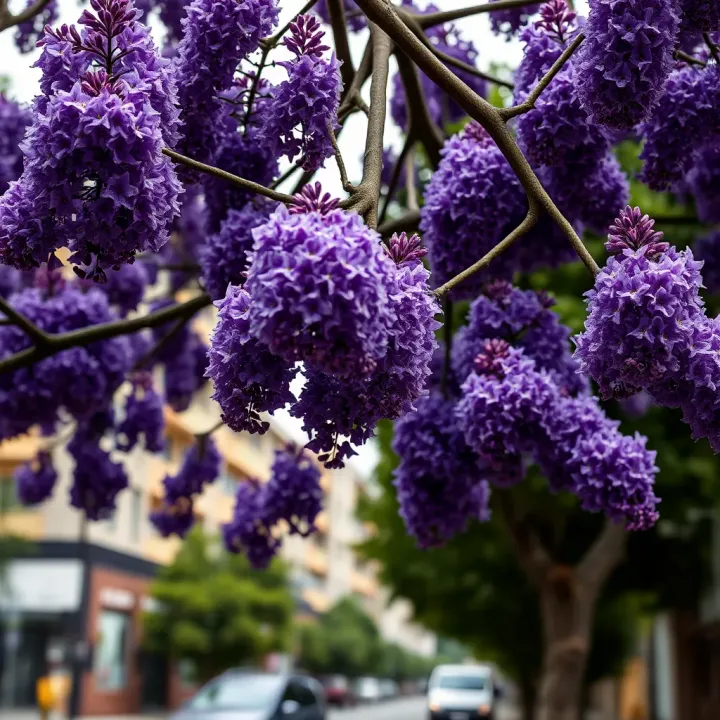
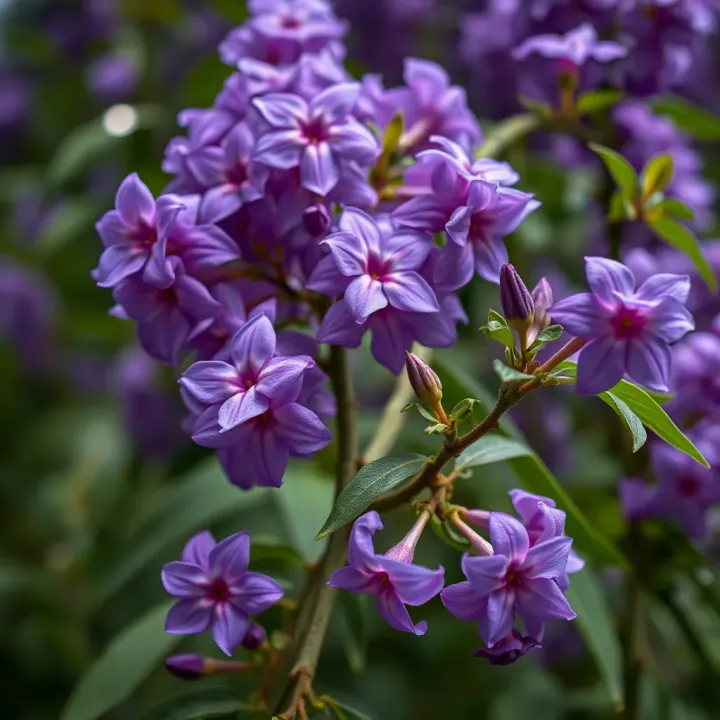
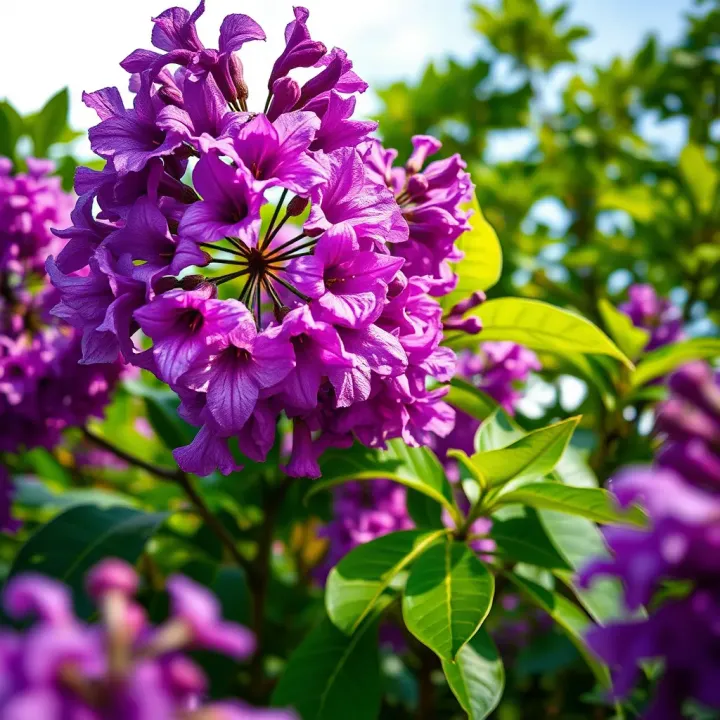
Flowering is the tree’s most striking feature. It produces clusters of trumpet-shaped blossoms, ranging from lavender to deep purple. These flowers create a spectacular display in the early rainy season, typically between March and May, turning streets and parks into vibrant purple avenues. The colours not only beautify but also attract pollinators like bees and butterflies, contributing to urban biodiversity.
Jacarandas favour warm, well-drained soils and thrive in Rwanda’s mild tropical climate. They grow best in regions with moderate rainfall and plenty of sun exposure. This matches many parts of Rwanda’s central plateau, where temperature ranges from 18 to 27 degrees Celsius are common. Their adaptability to different soil types, including lateritic soils found around Kigali, makes their cultivation practical and widespread.
Jacaranda trees originate mainly from South America, with species native to countries like Brazil and Argentina. Their adaptability and ornamental value saw them introduced into many tropical and subtropical parts of the world.
In Rwanda, jacarandas were introduced in the mid-20th century, largely driven by urban beautification projects. The government and private landscapers planted them along roads, government estates, and recreational parks to enhance the visual appeal of growing urban centres. Their introduction also aimed to increase green cover as part of environmental improvement efforts.
Locally, propagation relies mainly on seeds collected from mature pods during the dry season. Seedlings are nurtured in nurseries before being transplanted to selected sites. Cuttings and grafting have proven less common due to the tree’s ease of seed germination and strong survival rates once established. This method allows efficient scaling of jacaranda planting, balancing ornamental use with ecological stability.
Jacaranda trees are not just pretty backdrops; their characteristics and history shape how we manage them in Rwanda's urban and environmental spaces.
Physical features include fernlike leaves and broad canopies ideal for shade.
The vivid purple flowering season marks urban calendar months, boosting local biodiversity.
Jacarandas are well-suited to Rwanda’s temperature and soil, supporting wide planting.
Originally from South America, their introduction helped Rwanda urban aesthetics.
Seed propagation favoured locally, enabling manageable planting and growth control.
This insight sets the stage for deeper exploration into the ecological, cultural, and management aspects of jacarandas in Rwanda.
Understanding the ecological and environmental impact of jacaranda trees in Rwanda sheds light on their real influence beyond just beauty. While jacarandas spruce up urban landscapes, their presence also affects local ecosystems significantly. This section examines how they contribute to greenery, interact with native species, and pose environmental considerations that Rwandans should weigh.
Jacaranda trees have become a common sight in Rwandan towns and cities, especially in Kigali. Their broad canopies provide shade that mitigates the harsh sun, improving outdoor comfort for pedestrians and reducing the urban heat island effect. For example, areas like Kimihurura and Kiyovu enjoy enhanced greenery largely due to jacarandas planted along the streets and parks. This greenery supports better air quality by filtering dust and pollutants, contributing to a healthier city environment.
Jacarandas attract a variety of pollinators, including bees and butterflies, especially during their vibrant flowering season. These insects play their part in maintaining urban biodiversity. However, since jacaranda trees are not native, their presence can alter the usual balance. Some native plants may get overshadowed when jacarandas dominate, limiting habitat diversity for birds and other insects accustomed to indigenous flora. Despite this, integrating jacarandas with native species in planned parks helps maintain a diverse ecosystem.
The leaf litter from jacarandas contributes organic matter to the soil, enhancing its fertility over time. Their deep roots aid soil aeration, preventing compaction common in urban soils where foot traffic is heavy. Additionally, jacarandas influence the microclimate by lowering ground temperature through their shade and transpiration. This can be particularly beneficial during Rwanda’s dry seasons, as shaded spots retain moisture longer, supporting nearby plants.
Jacarandas, though admired for their beauty, have the potential to become invasive if left unmanaged. They can spread into natural and semi-natural areas, outcompeting native plants for nutrients and space. For instance, in some parts around wetlands or forest edges near urban centres, jacaranda seedlings have been reported growing rapidly. This could threaten native species crucial to local wildlife and disrupt established ecosystems.
Jacaranda trees require moderate watering, but when planted densely, they may collectively consume significant water. In urban landscapes where water supply can be inconsistent, this could exert pressure on already stretched resources. Moreover, their root systems can affect underground water flow. During dry periods, extensive jacaranda cover might also reduce groundwater recharge if fallen leaves form thick layers that limit water infiltration.
Controlling jacaranda growth in Rwanda involves periodic pruning to prevent overgrowth, especially near power lines and roads. Urban planners and local authorities face difficulties balancing jacaranda’s aesthetic value with their spread. Community awareness and involvement are essential to monitor seedlings beyond intended planting zones. Without proper management, jacarandas could dominate at the expense of native plants, complicating efforts to sustain Rwanda’s diverse flora.
While jacarandas add colour and coolness to Rwandan cities, their environmental impact requires thoughtful management to protect native ecosystems and ensure long-term benefits.
In sum, jacarandas play a mixed role environmentally: they enhance urban greenery and microclimates but can challenge native biodiversity and water resources if not managed well. Effective planning and community participation remain key to reaping their benefits while limiting ecological drawbacks.
Jacaranda trees hold a special place in Rwanda's urban landscape and cultural life. Beyond their botanical characteristics, they contribute significantly to the visual appeal of cities and towns, while also carrying cultural meanings that resonate with many Rwandans. Understanding these elements reveals how jacarandas are more than just trees — they become part of the social and emotional fabric of communities.
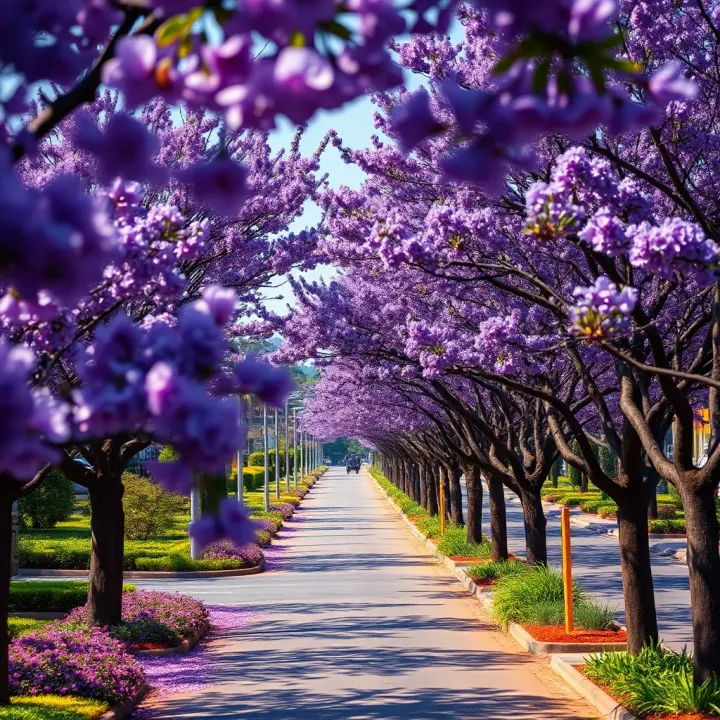
Jacaranda trees have become popular in several public spaces across Rwanda’s cities, notably Kigali’s parks, university campuses like the University of Rwanda, and along major roads and residential estates. Their vibrant purple flowers provide a striking contrast against the lush greenery common in these areas, boosting the overall aesthetic value and attracting visitors. For instance, the stretch of roads leading to the Kigali Convention Centre is well-known for jacaranda-lined avenues, offering an unmistakable seasonal display.
Seasonally, jacarandas transform cityscapes during flowering periods, usually around the dry season months. The purple blooms carpet streets and sidewalks, creating an inviting and festive atmosphere. This seasonal spectacle encourages outdoor activities and community gatherings. It also uplifts local businesses such as cafes and arts vendors, who capitalize on the increased foot traffic from flower enthusiasts and tourists.
More than just ornamental, jacarandas have evolved into symbols of beauty and renewal within Rwandan communities. For many residents, their blooming signals hope and new beginnings, especially at times of personal or national significance like graduation season or public celebrations. This symbolism has led to jacarandas being featured in local events and branding, adding to their cultural relevance.
Folklore and tradition surrounding jacaranda trees in Rwanda vary across regions but commonly highlight themes of peace and vitality. Some communities associate the blooming of jacarandas with favourable weather for farming or good fortune. These beliefs often inspire communal planting efforts, weaving the tree into both ecological and social traditions.
Public appreciation peaks during the flowering season when residents and tourists alike share moments of admiration. Social media in Rwanda buzzes with photos and stories celebrating these vibrant trees, fostering a shared cultural identity. Such appreciation also encourages city dwellers to participate in conservation and beautification programmes.
Jacarandas feature prominently in Rwandan art forms, from paintings and poetry to photography and performance. At social events, especially weddings and cultural festivals, decorations often mimic jacaranda hues, blending tradition with urban flair. This presence in creative expressions underscores the tree’s role as an emblem of natural artistry and community pride.
The jacaranda tree not only beautifies Rwanda’s spaces but also enriches cultural life, symbolising hope, identity, and the deep-rooted relationship between nature and society.
Overall, jacarandas bring tangible benefits to urban life and inspire cultural connections that go beyond their physical presence. Their inclusion in landscaping and cultural practices reflects Rwanda’s embrace of both natural beauty and indigenous meaning, demonstrating how environmental features can influence social wellbeing and identity.
Jacaranda trees add beauty to Rwandan landscapes but also present management challenges. Their fast growth and spreading ability can create problems, especially in urban and rural settings where space is limited or native plants are vulnerable. Understanding how to handle these challenges helps authorities and communities maintain the balance between greenery and ecological health.
Jacaranda trees can spread quickly, often via seeds blown by wind or transported by people unknowingly. In cities like Kigali, unchecked growth may block roads, reduce visibility, or interfere with power lines. In rural areas, jacarandas sometimes outcompete local species, threatening biodiversity and changing the soil nutrient cycle. This uncontrolled spread could also increase maintenance costs for local governments and create fire hazards during dry seasons.
Rwandan authorities are adopting pruning schedules and selective removal in places where jacarandas obstruct infrastructure or crowd out native plants. For example, city councils organise seasonal trimming to limit tree height and canopy spread near busy roads. They also apply public education campaigns encouraging residents to avoid planting jacarandas close to power lines or water sources. These practical measures help reduce the risks while preserving the trees’ aesthetic benefits.
Local communities play a key role in managing jacarandas. Through neighbourhood clean-ups and tree-planting initiatives coordinated with environment-focused NGOs, residents contribute to controlling invasive spread. They report excessive growth to authorities and help monitor new planting sites. Engaging schools and cultural groups increases awareness of sustainable tree care, promoting respect for both jacarandas and indigenous species.
Maintaining Rwanda’s native flora alongside jacarandas requires careful planning. Mixed planting schemes are designed to ensure jacarandas do not dominate green spaces. For example, urban parks combine jacarandas with indigenous species like the African mahogany or fig trees for varied ecosystem benefits. This balance supports native pollinators and prevents monoculture.
Reforestation projects across Rwanda often prioritise indigenous trees to restore degraded lands but can include jacarandas in controlled numbers for shade and soil stabilization. Conservation groups assess each site’s ecology, planting jacarandas only if they won’t harm local biodiversity. This approach supports ecosystem recovery without sacrificing the scenic appeal jacarandas bring.
Ongoing research by environmental institutes in Rwanda explores how jacarandas respond to climate variation and interact with native ecosystems. Studies focus on their impact on groundwater use and soil conditions, aiming to develop guidelines for coexistence. Such insights help policymakers devise urban planting regulations that safeguard Rwanda’s natural heritage while enabling jacarandas to thrive where appropriate.
Effective management of jacarandas hinges on combining local authority policies with community action and scientific research to keep Rwanda’s environment healthy and vibrant.
By addressing overgrowth issues and fostering integration with native flora, Rwanda can enjoy jacarandas’ beauty and benefits -- without sacrificing ecological balance or urban functionality.
Jacaranda trees in Rwanda hold more than just ecological or aesthetic value; their future role blends opportunities for tourism, education, and urban planning. Understanding these prospects helps ensure jacarandas contribute positively to local communities and environments, balancing their beauty with sustainability.
The flowering seasons of jacaranda trees in Rwanda, usually in October and November, offer a striking display of purple blooms. This natural spectacle attracts visitors and locals alike, making it an appealing feature for urban tourism. Cities like Kigali have seen increased foot traffic in parks and public spaces lined with jacarandas during this period. Promoting these seasons as tourist attractions can generate income through guided tours, local crafts sales, and cultural events around the blossoms.
Educational programmes centred on jacarandas also present valuable chances to engage students and the public. Schools can incorporate these trees into biology lessons, teaching about botany, photosynthesis, and environmental balance. Moreover, local NGOs and environmental agencies could organise workshops on tree planting, conservation, and urban greening, using jacarandas as practical examples. Such educational activities raise environmental consciousness while fostering community pride in local flora.
Promoting environmental awareness through jacarandas means leveraging their popularity to highlight broader ecological issues. City councils and environmental organisations can launch campaigns during jacaranda flowering to discuss topics like urban tree management, pollution, and native species preservation. These efforts can include community clean-ups, planting drives, or social media outreach, helping citizens appreciate their environment and participate actively in its upkeep.
Integrating jacaranda management into city plans is necessary to address challenges such as overgrowth, competition with native plants, and water use. Urban planners should designate specific areas for jacarandas where they complement existing green spaces without encroaching on indigenous vegetation. This targeted planting can prevent problems related to invasive growth and maintain urban biodiversity.
Environmental regulations affecting tree planting must also be updated to reflect the jacaranda's role. Policies could set limits on the number of jacaranda trees in sensitive zones or mandate maintenance routines to control spread. Such regulations help mitigate negative environmental impacts while encouraging responsible planting and care.
Long-term sustainability goals for jacarandas in Rwanda should align with national efforts on afforestation and climate resilience. This involves research into how jacarandas coexist with native species and their water consumption in Rwanda’s climate. Sustainable management means balancing jacarandas’ aesthetic and ecological benefits against resource demands, ensuring these trees remain assets rather than liabilities in future urban landscapes.
Thoughtful policy and community cooperation will shape how jacarandas enrich Rwanda’s environment without compromising native ecosystems or water availability.
By focusing on tourism, education, and sound urban planning, Rwanda can harness jacarandas' benefits while steering clear of potential environmental challenges. This balanced approach will keep jacarandas thriving as part of the country's green spaces for years ahead.
Discover jacaranda trees in Cameroon 🌳— their purple blooms, shade, ecological role, cultural & economic value, plus tips to grow and care for them well.
Discover how Jacaranda enhances Nigerian spaces 🌳, from urban gardens to village landscapes. Learn uses, care tips, economic value ₦, and its role in local life.

Meet the CEO of Jacaranda: their leadership journey, business impacts, strategies driving growth, challenges faced, and vision for Nigeria and Africa's market 🌍📈
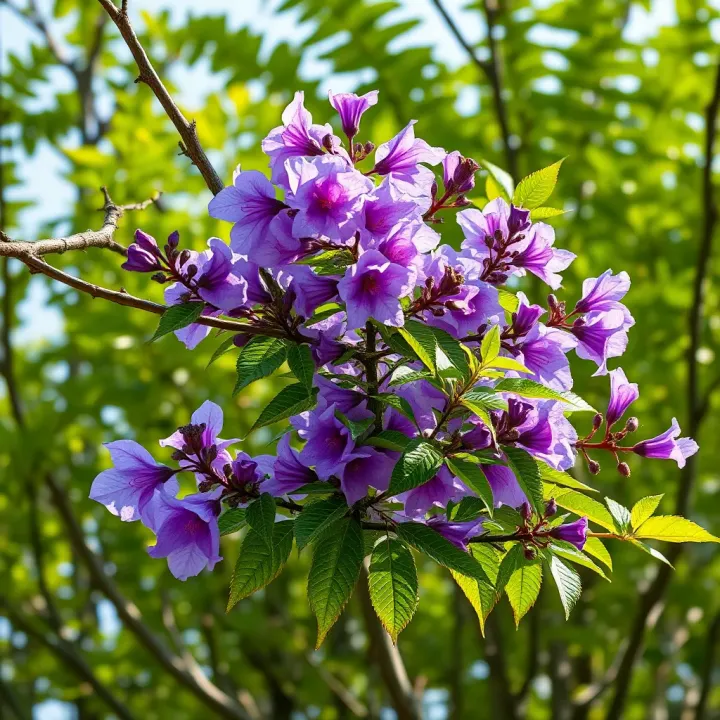
🌳 Learn how to grow and maintain jacaranda trees in Nigeria with practical tips on planting, watering, fertilising, pruning, and pest control to keep the vibrant purple blooms thriving.
Based on 13 reviews