

How to Register for Jacaranda in Nigeria
📚 Ready to register for Jacaranda? Follow this clear, step-by-step guide for Nigerian users on requirements, payments in ₦, troubleshooting, and maximising your learning experience.
Edited By
Bolaji Adeyemi
Jacaranda trees stand out in many Nigerian cities, especially in Lagos and Abuja, for their stunning purple flowers. Their eye-catching blooms bring beauty to urban streets and private gardens, but questions arise about whether jacaranda trees pose any health or environmental risks in these settings.
People often wonder if jacaranda trees are safe to plant around homes, schools, or public spaces, particularly when it comes to allergies, toxicity, or infestations. However, understanding their impact requires looking beyond aesthetics.
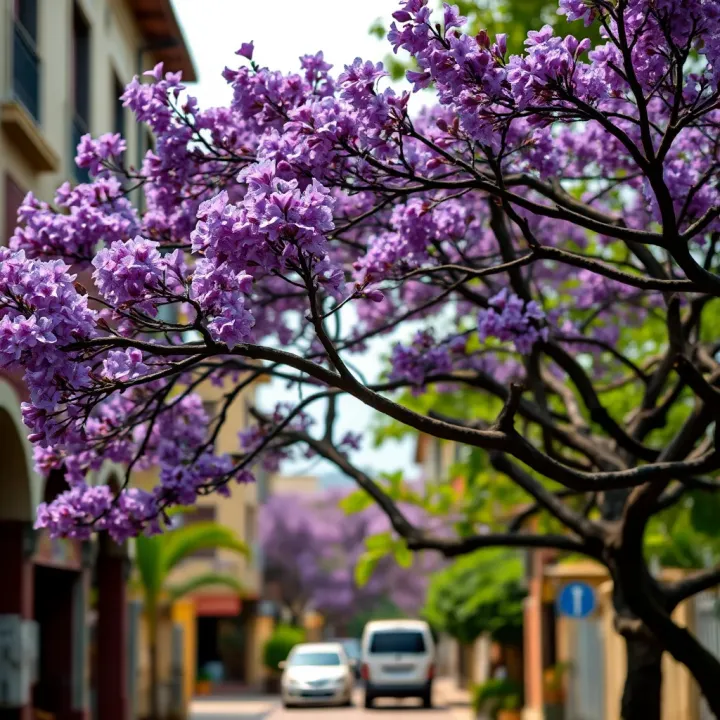
Health-wise, jacaranda trees do not secrete harmful substances or spores that cause severe allergic reactions for most Nigerians. Unlike some common Nigerian weeds or plants like Parthenium hysterophorus, jacarandas are generally non-toxic to humans and pets. Still, their fallen flowers can create slippery surfaces during the rainy season, increasing accident risks if not cleaned regularly.
On the environmental front, jacarandas are exotic to Nigeria but have adapted well to urban environments. They require moderate water and can grow in varied soil types, making them popular for landscaping. Yet, their leaf litter and flowers may clog drainage systems if not cleared, contributing to flooding during heavy rains. Moreover, jacaranda trees can sometimes compete with indigenous plants, affecting local biodiversity in green spaces if planted too densely.
Urban planners and homeowners should weigh these considerations. Proper placement away from footpaths and drainage points helps reduce slip hazards and flooding issues. Routine pruning and cleaning ensure the trees remain manageable and do not harbour pests like caterpillars or aphids, which can infest jacarandas and spread to nearby vegetation.
While jacaranda trees add much charm to Nigeria’s urban landscape, maintaining them smartly is key to avoiding safety and environmental problems.
Plant jacarandas where falling flowers won't block walkways or drainage.
Regularly sweep and dispose of fallen flowers and leaves.
Prune adequately to control the tree size and prevent pest harbourage.
Consider mixing jacarandas with native species to preserve local ecosystems.
Ultimately, jacaranda trees are safe for most Nigerian environments when managed properly. With a little care, they continue to brighten up neighbourhoods without causing major headaches.
Knowing about jacaranda trees and their presence in Nigeria helps us better address their safety and environmental impact. These trees are not just pretty additions to our streets—they interact directly with local ecosystems and communities, so understanding their characteristics and how Nigerians use them is vital.
Jacaranda trees, especially Jacaranda mimosifolia, originate from South America but have become common in Nigeria. They are known for their delicate, fern-like leaves and striking purple-blue flowers that bloom mainly during the dry season. This botanical feature not only captures attention but also affects maintenance needs—dropping flowers can pile up quickly, especially in urban areas.
In Nigerian cities like Lagos, Abuja, and Port Harcourt, jacarandas are mostly found lining major roads, decorating public parks, and planted in residential estates. These locations benefit from the tree’s ability to provide shade and enhance aesthetics. For instance, MacArthur Road in Lagos features jacaranda trees that attract locals and visitors alike because of their unusual colour and canopy.
One clear reason for jacaranda’s popularity is their ornamental value. Their bright purple flowers bring a splash of colour to Nigeria’s usually green and dusty urban environments. Many estate developers and local governments use jacarandas to beautify neighbourhoods and create relaxing outdoor spaces. Their bloom also signals the end of the rainy season, which people often associate with renewal and celebration.
Beyond looks, jacarandas are adaptable to Nigeria’s climate. They thrive in the tropical and subtropical regions where moderate rainfall and temperatures between 20°C and 30°C are common. They grow relatively fast, reaching heights of 12 to 15 metres within a few years, which makes them preferred for landscaping projects aiming for quick canopy cover. However, they do need well-drained soil and adequate watering during dry spells to remain healthy. This adaptability ensures that jacaranda trees can fit well into many Nigerian urban settings, from Abuja's highlands to Lagos' coastal plains.
Jacaranda trees provide both aesthetic and functional benefits in Nigerian cities; understanding their traits helps communities make safer, smarter landscaping choices.
In summary, jacaranda trees bring vibrant colour and shade, thrive in Nigerian conditions, and have become fixtures in urban and suburban spaces due to these qualities. This knowledge lays the groundwork for assessing their safety and environmental role in Nigerian settings.
Understanding the health and safety implications of jacaranda trees is essential, especially as these trees become a common feature in Nigerian cities like Lagos and Abuja. People often admire their purple blooms, but overlooked hazards such as allergies and physical risks require proper attention to ensure safe environments in homes, schools, and public spaces.
Jacaranda trees are generally not known to be highly toxic. However, some people may experience mild skin irritation or allergic reactions upon direct contact with fresh leaves or flowers. This is similar to the way certain plants like cashew tree sap can cause skin discomfort. For example, garden workers or children playing under jacarandas might get itchy rashes if they touch the plant frequently.
When it comes to children and pets, the risk of serious poisoning is low, but caution is still advisable. Pets might nibble on fallen leaves, although these are usually not deadly, they could cause minor digestive upset. Parents should supervise children around jacarandas and inform them not to taste flowers or leaves to prevent possible allergies or stomach discomfort.
Fallen jacaranda flowers and leaves create slick surfaces on pavements, especially after rain. This adds slip risks in busy pedestrian areas. For instance, in parts of Lagos where these trees line the streets, there have been occasional reports of slips from accumulations of purple petals, especially if not cleared quickly. Regular sweepings in busy spots help mitigate this hazard.
Another concern is weak branches, particularly in mature jacaranda trees. During Nigeria’s rainy season, strong winds and storms can cause brittle branches to snap and fall. This poses risks to people, vehicles, and property beneath. Residents near jacaranda-lined roads or residents with trees in their compounds should ensure pruning is done routinely to remove fragile limbs, especially before heavy rains.
Taking note of these health and safety concerns is not about avoiding jacaranda trees but about managing them responsibly for the benefit of all.
By combining awareness of mild toxicity and physical risks with proper maintenance, jacaranda trees can safely complement Nigeria’s urban landscapes without posing undue risks to the public or household members.
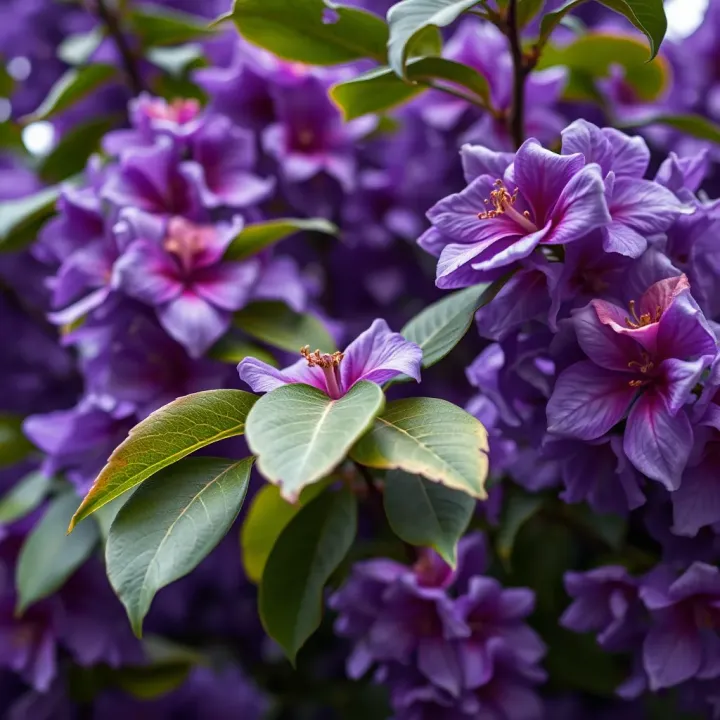
Understanding the environmental impact of jacaranda trees in Nigerian settings helps determine how these trees interact with local ecosystems and whether they suit our climate. As jacarandas have become more common in urban and suburban landscapes, assessing their influence on biodiversity and the environment is essential for sustainable planting.
Jacaranda trees can influence native plant species by competing for space, nutrients, and light. In some Nigerian cities like Ibadan and Lagos, jacarandas have been planted extensively, sometimes overshadowing indigenous tree species such as iroko and mahogany. This competition could reduce the growth or regeneration of native trees, affecting the natural balance and the unique character of local forests and parks.
On the flip side, jacarandas may introduce changes to the undergrowth. Their dense canopy and leaf litter can alter soil conditions, which might discourage some native plants from thriving. Gardeners and urban planners should monitor these effects closely to prevent unintentionally pushing out beneficial local flora.
Regarding pollinators, jacarandas attract bees, butterflies, and various insects, which plays a part in urban biodiversity. However, their flowers bloom seasonally, which means pollinators relying on a diverse and consistent nectar supply might face shortages during off-bloom periods. Studies in parts of Abuja have shown that while native pollinators visit jacarandas, they still depend heavily on indigenous flowering plants throughout the year.
Encouraging a mix of jacaranda and native species can help maintain a healthy, balanced ecosystem that supports pollinators year-round.
Jacaranda trees generally tolerate Nigeria's tropical climate well, especially in southern regions with more rainfall, like Lagos and Port Harcourt. However, northern parts such as Kano or Maiduguri, which are drier and hotter, pose challenges for jacarandas. Here, water stress can stunt growth and limit flowering, requiring frequent watering when planted in urban gardens.
Soil conditions also matter. Jacarandas prefer well-draining soils, but in Lagos’s heavier clay soils or Abuja’s alkaline grounds, their adaptation can be uneven. Poor soil may lead to weaker trees prone to disease or structural faults.
Water usage is another factor. While jacarandas do not demand excessive water, young trees need regular watering during the dry season, which can add to urban water consumption in stressed areas. Additionally, jacaranda leaf litter can affect soil nutrients by altering pH balance temporarily, which may differ from indigenous trees that have co-evolved with local soils.
In practical terms, homeowners and authorities should consider regional climate and soil before planting jacarandas to ensure the trees thrive without draining scarce water resources or harming soil quality. Mulching and organic fertilisers can help maintain soil health and reduce the need for excessive watering.
By weighing these environmental factors carefully, Nigerians can enjoy jacarandas’ beauty while protecting local ecosystems and making informed decisions about urban greenery.
Planting and maintaining jacaranda trees safely is essential to minimise risks and ensure these vibrant trees continue to enhance Nigerian urban and suburban spaces without causing problems. Thoughtful selection of planting locations and regular upkeep protects both people and property, especially in settings where foot traffic and public interaction are frequent.
Choosing locations away from heavy foot traffic helps reduce hazards like slipping on fallen flowers or leaf litter. Jacaranda flowers are beautiful but can accumulate on pavements, making surfaces slippery during the rainy season. By planting these trees in parks, spacious gardens, or road medians rather than busy pavements or market areas, municipal planners and private homeowners prevent unnecessary accidents. For example, in Lagos, streets lined with jacarandas away from dense danfo stops tend to have fewer complaints about slip-related injuries.
Considerations for residential areas and schools matter greatly because children and elders may be more vulnerable to risks from falling branches or allergic reactions caused by jacaranda pollen or sap. Planting jacarandas at a safe distance from school entrances and playgrounds helps avoid interference with school activities. Similarly, residents should ensure Jacaranda trees are not too close to windows or rooftop terraces where falling debris might cause damage or inconvenience. In Abuja suburbs, urban planners often recommend planting jacarandas in larger compounds where space allows safer growth.
Pruning strategies for structural stability are crucial to prevent weak or dead branches from breaking during Nigeria's stormy seasons. Timely pruning also encourages healthy growth and reduces the risk that heavy branches might fall on pedestrians, vehicles, or property. For instance, estate managers in Enugu often schedule pruning just before the rainy period to ensure jacarandas remain sturdy and less likely to shed dangerous limbs.
Managing flower and leaf litter is necessary to keep surrounding areas clean and safe. Regular sweeping or raking of fallen flowers and leaves can prevent slippery surfaces and reduce allergy triggers. In commercial neighbourhoods or high-traffic roads like Ikeja, dedicated maintenance teams clear jacaranda litter regularly, especially during peak flowering seasons, to maintain safe walkways and roadways.
Good placement combined with ongoing maintenance prevents jacaranda trees from becoming a nuisance or hazard while preserving their aesthetic benefits.
By following these best practices—selective planting and consistent care—homeowners, schools, and city planners across Nigeria can enjoy jacarandas without the associated risks to safety or health.
Assessing Jacaranda tree safety alongside common Nigerian trees offers practical insights for homeowners, urban planners, and gardeners. This comparison helps highlight unique hazards or advantages and guides safer tree choices, especially in crowded urban settings where space and public safety matter.
When set against neem, mango, and mahogany trees, Jacaranda trees differ significantly in toxicity and physical hazards. Neem (Azadirachta indica), well known across Nigeria for its medicinal and insect-repellent properties, carries minimal toxicity risks to humans but its seeds and bark can be harmful if ingested in large amounts. Mango trees (Mangifera indica), widely planted for their fruit, pose risks mainly from falling ripe fruits or small branches during rainstorms, which can cause injury in busy streets or markets. Mahogany, a prized timber tree, has robust branches but shedding bark and fallen leaves may cause slippery surfaces during wet conditions.
In contrast, Jacaranda trees usually present lower toxicity risk; their flowers and leaves are not known to be poisonous to humans or pets. However, the slippery layer created by decaying flowers on sidewalks demands attention, especially in rainy seasons when accidents could occur. Physically, Jacaranda’s branches are relatively fragile compared to mahogany, making them more prone to breaking during storms and possibly causing property damage. This distinction in branch strength and littering patterns underscores why Jacaranda requires more frequent maintenance compared to these common neighbours.
Reports across Nigerian cities suggest that while Jacaranda's fallen leaves and flowers create slip hazards, serious injuries are rare. Mango trees have occasionally caused accidents when heavy fruits fall, especially in markets or near footpaths. Neem and mahogany are generally safe but require caution during storms due to falling branches or debris.
Statistically, mahogany trees have fewer documented incidents related to public safety, mainly because they shed less frequently, and their robust wood resists breakage. By comparison, Jacaranda and mango trees demand regular pruning to minimise risks. Understanding these safety records helps residents prioritise tree maintenance or make informed choices about which species to plant near walkways, schools, or markets.
Urban residents and gardeners in cities like Lagos and Abuja share mixed experiences with Jacaranda trees. Many appreciate the shade and colourful blossoms in their compounds or along roadsides but acknowledge the inconvenience of constant sweeping during flowering season. Some recall minor slips on wet petals, especially for elderly neighbours, which elevates concern about where Jacarandas are planted.
Gardeners frequently highlight Jacaranda’s need for regular pruning to avoid branch breaks during the heavy Nigerian rainy season. Meanwhile, neem and mahogany trees are praised for requiring less attention once established, but mango trees attract pests that can invade nearby crops or homes. These grassroots perspectives shape community preferences and suggest what maintenance routines best suit particular trees.
Forestry experts in Nigeria advise considering tree characteristics against local conditions to improve safety. For instance, they recommend planting Jacarandas away from areas with heavy foot traffic or near schools due to litter and branch fragility. Neem and mahogany trees, with their sturdier branches and less frequent litter, may be safer for busy urban locations.
Experts also stress routine inspections during ember months when storms are more violent. Proper pruning, avoiding overcrowded planting, and selecting tree species suited to the microclimate help reduce hazards. These recommendations come from forestry service guidance and practical urban forestry experiences, aiming to balance aesthetics, environmental benefits, and public safety effectively.
Comparing Jacaranda's characteristics with indigenous species helps stakeholders make smart, safe choices in urban greening projects. Understanding risks distinct to each tree can prevent accidents and ensure pleasant, safe environments for all Nigerian communities.
Understanding the legal framework governing jacaranda trees in Nigeria helps prevent disputes and promotes safer urban landscaping. Regulations at both national and state levels influence where and how jacaranda trees can be planted, ensuring public safety and environmental balance. For homeowners and developers, knowledge of these rules avoids fines and liability risks.
Planting jacaranda trees in public spaces like parks, streets, or government properties requires compliance with specific regulations set by local councils or state environmental departments. These rules often mandate permits before planting to ensure chosen species do not obstruct roads, disrupt electrical cables, or cause hazards for pedestrians and motorists. For instance, Lagos State’s environmental agency has guidelines limiting planting near busy danfo stops or major intersections to reduce risk from falling branches or slippery flower litter.
Besides location controls, states often issue species selection guidelines aimed at protecting native biodiversity and public wellbeing. While jacaranda trees are valued for their beauty, some states may restrict their widespread use in public spaces if they pose allergy risks or outcompete indigenous plants. Authorities might also require that trees with fragile branches be pruned regularly or avoided in schools and hospitals to limit injury hazards.
Tree owners in Nigeria hold responsibility for any damage or injury caused by their jacarandas. If a branch falls and injures a passerby or damages property during storms, the owner may face legal claims. This accountability encourages regular maintenance and careful tree placement. For example, a homeowner in Abuja who ignored pruning advice and whose jacaranda branches hurt a visitor could be sued for negligence.
Given this liability, insurance is a crucial consideration. Property owners should check if their home insurance covers damages linked to trees, including jacarandas. Some insurers require proof of regular tree care to honour claims. Without insurance, homeowners risk substantial out-of-pocket expenses if their trees cause accidents. This makes proactive upkeep not just good practice but a financial safeguard.
Compliance with tree regulations and active owner responsibility reduces accidents and community disputes, ensuring jacarandas remain a safe, colourful feature in Nigerian neighbourhoods.
By observing these legal and ownership guidelines, Nigerians can enjoy jacaranda trees’ ornamental appeal without compromising safety or inviting costly problems.
Understanding the safety and practical implications of planting jacaranda trees in Nigerian environments is vital for homeowners, urban planners, and local authorities. This section pulls together key findings and provides actionable advice to reduce risks associated with jacaranda, while maximising their aesthetic and environmental benefits.
Jacaranda trees, while celebrated for their striking purple blooms, carry certain health and environmental considerations in Nigeria. There is a low risk of skin irritation or allergies, mainly affecting sensitive individuals, but this is not widely reported. Physical hazards, such as slipping on fallen flowers or leaves and damage from weak branches during storms, are notable concerns especially in areas with heavy pedestrian or vehicular traffic. Environmentally, jacaranda adapts well to many Nigerian climates but may impact native plant biodiversity depending on region and soil type. Compared to local trees like neem or mango, jacaranda poses fewer toxicity risks but requires mindful placement and maintenance to avoid accidents and environmental stress.
Planting jacaranda should be done with awareness of location and surrounding activities. Avoid placing these trees near busy walkways, schools, or playgrounds where falling flowers could cause slips or distract drivers. Choosing areas with sufficient space ensures branches do not hang over roads or roofs, reducing damage during storms. For example, Lagos residents often find jacaranda thriving along quieter residential roads rather than near bustling markets or bus stops. Using native or less messy trees as complements can balance urban landscaping and reduce maintenance burdens.
Regular pruning helps maintain jacaranda trees’ structural integrity and prevents weak branches from becoming hazards during Nigeria’s rainy season. Clearing leaves and flowers periodically keeps walkways safe and avoids clogging gutters. Community groups or local councils should promote awareness of jacaranda’s risks and care needs, encouraging residents to report damaged trees promptly. Educating gardeners and property owners on proper watering, especially in dry zones like Kano or Abuja, aids the tree’s health and limits stress on the soil. Together, these practices support safe enjoyment of jacaranda’s beauty without compromising public safety or the environment.
Responsible jacaranda planting and mindful maintenance not only beautify Nigerian neighbourhoods but also help prevent avoidable accidents and ecological decline.
By considering the specific risks and proven care strategies, Nigerians can safely integrate jacaranda trees into urban and suburban spaces, enriching the landscape while protecting their communities.
📚 Ready to register for Jacaranda? Follow this clear, step-by-step guide for Nigerian users on requirements, payments in ₦, troubleshooting, and maximising your learning experience.

🔐 Learn how to create a strong Jacaranda password to secure your account and data in Nigeria. Follow simple steps and tips to update and manage passwords safely 🇳🇬

📚 Learn how to navigate Jacaranda App like a pro! Register easily, access rich educational content, customise your experience, and handle subscriptions seamlessly in Nigeria.

📲 Learn how to download and use the Jacaranda Bet app in Nigeria. Discover easy registration, secure payments in ₦, smart betting tips & 24/7 support for safe play.
Based on 10 reviews